
Planting
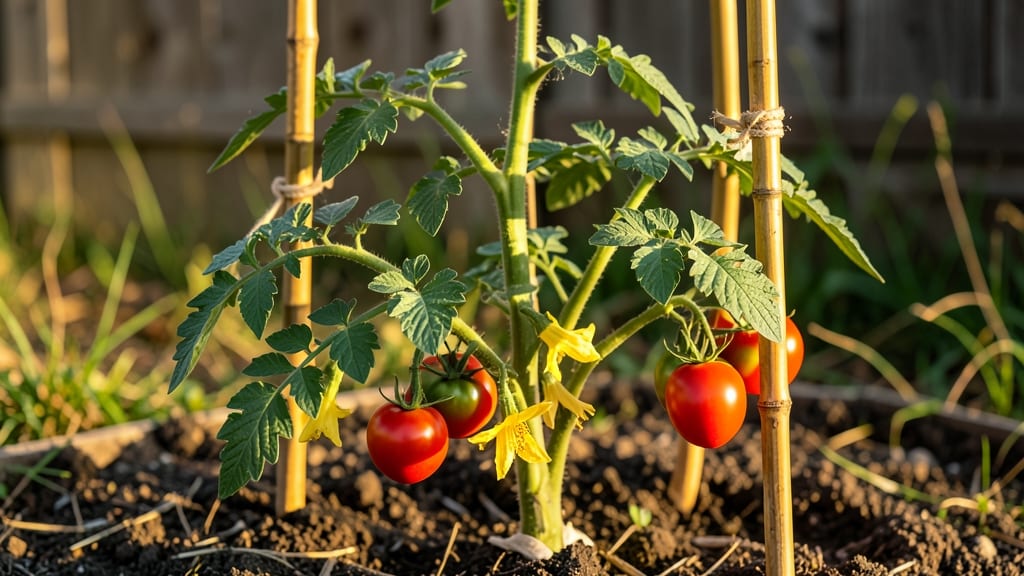
Tomato plant poles aren't just sticks in the ground—they're the secret weapon behind my garden's record-breaking harvests. 🌱 Last summer, my indeterminate tomatoes climbed 8 feet tall with proper support, producing pounds more fruit than my unsupported plants.
The right poles transform floppy vines into sturdy, high-yielding powerhouses while keeping diseases at bay.
You'll need 3-4 poles per plant for indeterminate varieties (like Sungold or Brandywine) or a sturdy cage for determinate types. Bamboo is cheap and flexible, metal lasts forever, and wooden stakes offer a classic look.
I swear by 6-foot fiberglass poles—they're rust-proof and won't snap when heavy fruit loads bend the vines. The key is installing them early before vines get too heavy.
With proper support, you'll see thicker stems, more flowers, and fruit all season long instead of sprawling plants wasting energy. My poles go in 6-8 inches deep for stability, and I tie vines every 10-12 inches with soft cloth strips (never wire—it cuts!).
The best part? You'll save space, reduce disease from ground contact, and make harvesting a breeze.
For containers, use decorative metal arches or A-frame supports—they're perfect for patio tomatoes. And here's the pro tip: Rotate poles yearly to prevent soil-borne diseases from building up in the same spots.
Your tomatoes will thank you with bigger, riper fruit and plants that look like they belong in a botanical garden.
📚 In This Guide
- What you need
- Instructions
- Tips and common mistakes
- Wrapping up and next steps
What you need
- ● Tomato plant poles: Bamboo stakes (3–5 ft tall, ½–1 inch diameter) – 2–4 per plant (depending on variety and height)
- ● OR Metal or wooden stakes (4–6 ft tall, ¾ inch diameter) – 1–2 per plant
- ● OR Trellis netting (for indeterminate varieties, 4x8 ft panels)
- ● Garden twine or soft plant ties: 100+ ft (biodegradable or cloth-based to avoid girdling)
- ● Pliers or scissors: For trimming twine cleanly
- ● Hammer or mallet: For driving stakes into the ground
- ● Measuring tape or ruler: To ensure even spacing (18–24 inches between stakes for most varieties)
- ● Gloves: To protect your hands while handling stakes or soil
- ● Stake caps or protectors: To prevent bamboo from splitting in windy conditions
- ● Adjustable tomato clips: For hands-free support as vines grow
- ● Soil spikes or augur: For easier stake insertion in hard or rocky soil
- ● Pruning shears: To trim suckers and encourage upward growth
- ● Landscape fabric: To mulch around stakes and retain moisture
How to install tomato plant poles for maximum yield
Here's the method I rely on to keep tomatoes growing strong and productive all season.
🪴 Step 1: Choose the Right Poles for Your Variety
Select poles that match your tomato type—5-6 foot bamboo stakes work for most indeterminate varieties, while 3-4 foot metal cages suit bushier determinate types. I prefer galvanized steel or fiberglass for durability, especially in windy areas. Avoid wooden stakes; they rot quickly when wet.
Check the pole diameter—1-2 inches provides enough stability without crowding plants. For 4 plants, you'll need 4 poles (one per plant). Drive each pole 6-8 inches deep into the soil, about 2 inches from the plant stem. This gives the plant room to grow without leaning against the support too early.
☀️ Step 2: Position Poles Before Planting
Install poles at planting time—burying them later risks disturbing roots. Place them on the north side of each plant (in the Northern Hemisphere) so the plant grows toward the sun without shading itself. For 4 plants, arrange poles in a square pattern if space allows, keeping 18-24 inches between each pole for easy movement.
If using cages, position them centered over the plant hole. For stakes, angle them slightly outward at the top to create a natural trellis effect. Tap poles firmly into the ground with a mallet—you want them rock-solid so they don’t wobble when vines get heavy. A wobbly pole means snapped stems later.
🌿 Step 3: Train Vines Early and Often
Once plants reach 12-18 inches tall, gently tie the main stem to the pole using soft plant ties (never wire or twine—it cuts into stems). I like to use fabric strips because they stretch as the plant grows. Secure the tie just above a leaf node so the vine has something to grab onto.
Every 7-10 days, check for sufficient airflow—remove any suckers growing below the first flower cluster. For indeterminate varieties, guide the main stem upward, tying every 6-8 inches as it grows. You’ll know you’re doing it right when the plant climbs naturally rather than flopping over. Avoid over-tightening ties—they should hold snugly but not restrict growth.
✂️ Step 4: Prune and Support for Heavy Fruit
When fruit sets begin, reduce leaf pruning—you want enough foliage to photosynthesize but not so much that air can’t circulate. Remove only the lowest leaves that touch the soil to prevent disease. For determinate varieties, stop pruning once flowering begins; they’ll naturally bush out.
As tomatoes swell to tennis-ball size, add secondary supports if needed—soft twine looped between poles creates a hammock effect for heavy clusters. Never let fruit drag on the ground; even brief contact invites rot. If a branch breaks under weight, prop it up immediately with a small stake. A broken branch won’t recover.
💧 Step 5: Adjust Supports Through the Season
By mid-summer, indeterminate vines may need additional ties every 5-7 days—growth accelerates with warmth. If poles shift in loose soil, re-bury them 2-3 inches deeper and water thoroughly to settle. For container-grown tomatoes, use sturdy wire cages instead of stakes—they won’t tip over in pots.
Watch for wind damage—if your area gets gusts, tie the top of the plant to the pole with a loose loop. Harvest regularly to reduce weight stress on the plant. By late season, you’ll see thicker stems and fewer broken branches—that’s your reward for consistent support. A well-supported tomato plant yields 2-3x more fruit than an unsupported one.
Tips & tricks for sturdy tomato supports
Here's what I've learned after years of growing tomatoes—these small tweaks make all the difference between a floppy plant and a thriving vine.
Material Matters: For indeterminate varieties, I've found that galvanized steel or fiberglass poles last through multiple seasons without rusting or bending. Bamboo stakes work well for one season but may splinter under heavy fruit loads. If you're in a windy area, consider double stakes—two poles tied together at the top create a more stable trellis that won't sway in storms. The extra cost is worth preventing snapped stems when tomatoes are at their heaviest.
Planting Position: The north-side placement in Step 2 isn't just about sun exposure—it's also about creating space for the plant to grow upward without immediately leaning against the support. This small 2-inch gap prevents stem damage as the plant thickens. I've seen many gardeners skip this detail and end up with plants that grow in awkward angles, making harvesting difficult. Think of it as giving your tomato its own personal growing room.
Tie Technique: When you're tying vines in Step 3, the key is to create a loose but secure connection that won't cut into the stem as it grows. I use fabric plant ties because they stretch naturally with the plant. Here's my trick: make the first tie just above a leaf node, then leave about 6 inches of slack before securing. This allows the plant to grow through the tie rather than being constricted by it. Over-tightening is the number one reason ties cut into stems and create wounds that invite disease.
Seasonal Adjustments: By mid-summer, when you're making those 5-7 day tie adjustments in Step 5, pay attention to how the plant interacts with its support. If you notice the main stem growing in a spiral pattern around the pole, it's trying to find purchase. This is your cue to add a second tie slightly higher up. The goal is to guide the plant upward in a straight line—this creates better air circulation around the fruit and prevents the plant from getting tangled in its own growth. A well-supported vine will show you its gratitude with thicker stems and more abundant fruit clusters.
Pro Tips for Tomato Plant Poles
- Here's what I've learned after years of growing tomatoes—these small tweaks make all the difference between a floppy plant and a thriving vine.
- Material Matters: For indeterminate varieties, I've found that galvanized steel or fiberglass poles last through multiple seasons without rusting or bending.
- Planting Position: The north-side placement in Step 2 isn't just about sun exposure—it's also about creating space for the plant to grow upward without immediately leaning against the support.
Frequently asked questions
Got questions about tomato plant poles?
You’re not alone! Here are answers to the most common queries to help you grow like a pro.
What are the best materials for tomato plant poles?
Bamboo stakes, wooden dowels, metal cages, or sturdy PVC pipes are all great options. Choose based on durability, cost, and ease of use. For heavy varieties like beefsteaks, opt for metal or thick wooden poles to prevent bending.
When should I install tomato plant poles?
Install poles as soon as you transplant seedlings or when plants are 6–8 inches tall. Early support prevents root disturbance later. If using cages, place them before planting for a hassle-free setup.
Can I reuse tomato plant poles from year to year?
Yes! Wooden or metal poles can last multiple seasons if cleaned and stored properly. Disinfect with a vinegar solution to prevent disease buildup. Bamboo may degrade faster—replace if splintered or weak.
Are there alternatives to traditional poles?
Try trellises, A-frame supports, or even repurposed ladders for vertical growth. For small spaces, tomato towers (stacked pots with built-in stakes) save room while maximizing yield.
Why are my tomato plants leaning even with poles?
Leaning often means insufficient support or weak stems. Tie plants to poles with soft ties (like old T-shirts or garden twine) every 6–12 inches. If stems snap, they may need gentler pruning or stronger poles for heavier fruit.
Wrapping up and next steps
Investing in tomato plant poles is a game-changer for gardeners aiming for healthier, bushier plants and bountiful harvests. Whether you choose bamboo stakes, metal cages, or sturdy wooden supports, the right setup ensures your tomatoes thrive while saving you from backbreaking bending. 🌱
Now that you’re equipped with the knowledge and tools, it’s time to roll up your sleeves and get planting! Start small—even a single pole can make a difference—and watch your garden transform. Happy growing! 🌿