
Planting
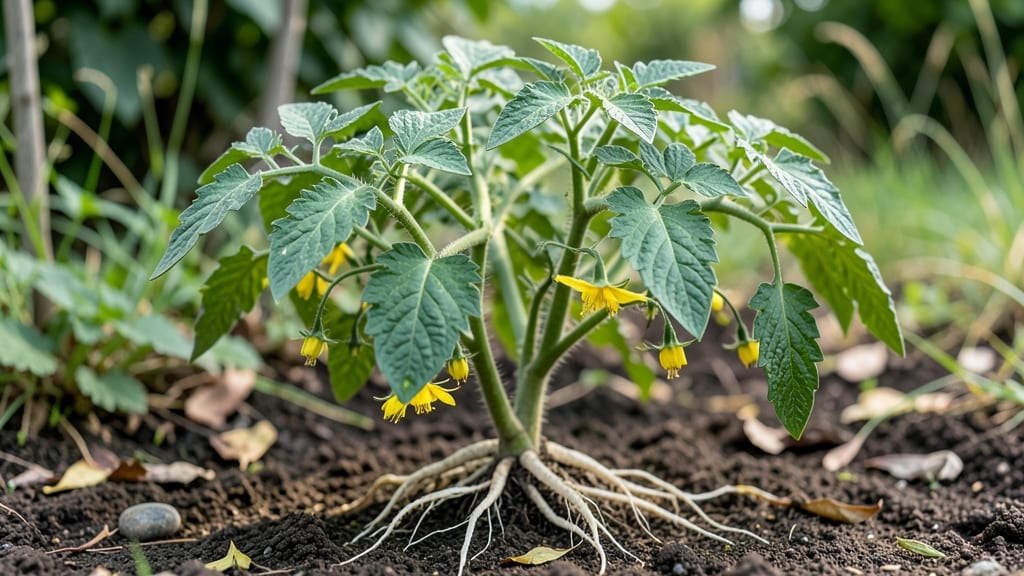
Your tomato plant's roots are the hidden superheroes behind every juicy vine-ripened fruit. 🌱 The deeper and stronger they grow, the more water and nutrients your plants soak up—leading to heavier harvests and sturdier stems that don’t snap in storms.
I’ve watched my own tomatoes go from floppy seedlings to towering, fruit-loaded giants just by focusing on root health first. Start with loose, well-draining soil mixed with compost—think of it as giving roots room to breathe and stretch.
Water deeply once a week (not daily drizzles) to encourage roots to dive downward, and avoid disturbing them when transplanting. Even a slight root damage can set plants back for weeks, so handle seedlings like fragile glass.
You’ll know you’re doing it right when plants stand tall without support and leaves stay a vibrant green, not yellowing from thirst or stress. Roots this strong mean fewer wilting episodes and more consistent fruiting—even in heatwaves. The secret? Let them grow undisturbed until they’re established.
This works for both garden beds and containers—just adjust watering slightly for pots. Once roots are thriving, you’ll notice the difference in fruit size and flavor compared to neglected plants. Let’s get those roots growing!
📚 In This Guide
- What you need
- Instructions
- Tips and common mistakes
- Wrapping up and next steps
What you need
- ● Tomato seeds or seedlings: Choose disease-resistant varieties like Celebrity or Sungold for best results.
- ● Well-draining potting mix: 5-10 gallons (or enough to fill containers 12–18 inches deep). Look for a mix labeled for vegetables or tomatoes.
- ● Containers or garden bed: Containers: 5-gallon buckets or fabric grow bags (minimum 12" diameter for dwarf varieties, 18" for indeterminate types).
- ● Garden bed: Loosen soil to 12–18 inches deep; amend with compost if soil is clay-heavy.
- ● Fertilizer: Balanced organic fertilizer (e.g., 5-5-5 or 10-10-10) or compost tea for root stimulation.
- ● Watering can or hose with gentle spray nozzle: Avoid disrupting roots during watering.
- ● Garden trowel or transplanting spade: For digging holes or moving seedlings.
- ○ Pruning shears (sterilized): Optional, for trimming damaged roots if needed.
- ○ pH test kit: Optional but helpful—aim for soil pH 6.0–6.8 for optimal root health.
- ● Mulch (straw or shredded leaves): 2–3 inches to retain moisture and protect roots.
- ● 💡 Root stimulator: Add a pinch of mycorrhizal fungi or seaweed extract to planting holes to boost root growth.
- ● 🌡️ Warmth: If starting seeds indoors, use a heat mat (70–80°F) to encourage faster root development.
How to cultivate strong tomato roots for maximum yield
Healthy tomato roots are the foundation of a productive plant—here’s how to nurture them from the start.
🌱 Step 1: Prepare the Planting Site for Deep Root Growth
Tomatoes thrive when their roots can spread freely, so start by loosening the soil to a depth of 12-18 inches. Use a broadfork or tiller to break up compacted layers without disturbing the soil structure too much. The goal is to create a loose, aerated environment that encourages roots to explore downward rather than circling in tight knots.
Amend the soil with 2-3 inches of compost mixed into the top 6 inches. This adds organic matter that roots can easily penetrate, while also improving water retention and nutrient availability. Avoid fresh manure—it can burn tender roots and disrupt microbial activity in the soil.
💧 Step 2: Water Deeply to Stimulate Root Expansion
Before planting, water the soil deeply to a depth of 12 inches. You’ll know it’s sufficiently moist when the soil feels damp but not soggy—like a wrung-out sponge. This pre-watering encourages roots to grow outward in search of moisture, rather than staying shallow.
After transplanting, water again to settle the soil around the roots. Use a gentle stream to avoid displacing the root ball. Over the first week, water deeply every 2-3 days until the top 6 inches of soil feel consistently moist. Shallow watering leads to weak, shallow roots that struggle to support the plant as it matures.
☀️ Step 3: Provide Support Early to Encourage Strong Root Development
Install a sturdy cage or stake at planting time, even if the plant is small. This prevents root disturbance later when you’ll need to secure the plant. As the plant grows, gently tie the main stem to the support, but avoid wrapping the stem tightly—this can restrict root oxygen uptake and stunt growth.
Watch for signs of root stress, like yellowing leaves or wilting despite adequate water. These often indicate roots struggling to access nutrients or water. If you see this, loosen the soil around the base with your fingers to encourage deeper penetration, or add a 1-inch layer of mulch to retain moisture and regulate soil temperature.
✂️ Step 4: Prune Strategically to Redirect Energy to Roots
Remove all suckers—the small shoots that form in the leaf axils—until the plant reaches the top of its support. This might seem counterintuitive, but pruning suckers forces the plant to focus its energy on strengthening the root system and producing fruit rather than unnecessary foliage.
Once the plant is established, limit pruning to removing only the lowest leaves that touch the soil. These leaves can harbor disease and block airflow, which weakens roots over time. Always use clean, sharp pruners to avoid tearing tissue and inviting infection.
🌿 Step 5: Monitor Root Health Through the Growing Season
Healthy tomato roots should spread 18-24 inches deep and 24-36 inches wide by mid-season. If your plants look stunted despite proper care, gently dig around the base to check for root-bound conditions or signs of disease, like blackened or mushy roots. Adjust watering or soil amendments as needed.
By late summer, reduce watering slightly to encourage the plant to focus on ripening fruit rather than new growth. This also helps roots harden off for the end of the season, making them more resilient if you’re growing in a region with mild winters. Mulch heavily around the base to protect roots from temperature fluctuations.
Tips & tricks for cultivating strong tomato roots
Between us, these little details make all the difference when it comes to growing tomatoes that thrive from the ground up.
Soil Aeration Secret: When loosening your soil to that 12-18 inch depth in Step 1, focus on breaking up horizontal layers rather than turning the soil vertically. This creates horizontal pathways that encourage roots to spread outward naturally. Think of it like building a highway system for your tomato roots—wide lanes for maximum exploration.
Compost Placement Insight: The instructions mention mixing 2-3 inches of compost into the top 6 inches, but here's what nobody tells you—work that compost into the soil in thin layers as you go down. This creates a gradual nutrient gradient that roots will follow, encouraging deeper penetration rather than clustering near the surface where nutrients are concentrated.
Watering Technique: That 12-inch deep watering before planting isn't just about moisture—it's about creating the perfect environment for root growth. The key is to water until you see water pooling at the 18-inch mark. This tells you the moisture has reached the depth where roots will start exploring. After transplanting, use a soil probe to check moisture levels at 6 inches deep—this is where your roots will be establishing themselves.
Root Stress Rescue: If you notice those yellowing leaves or wilting signs in Step 3, don't just water more—first check if the soil is compacted around the roots. Gently loosen the soil with your fingers to a depth of 4-6 inches using a screwdriver or your fingers. This simple action can immediately improve water and nutrient uptake by creating tiny air pockets that roots desperately need when stressed.
Pro Tips for Tomato Plant Roots
- Between us, these little details make all the difference when it comes to growing tomatoes that thrive from the ground up.
- Soil Aeration Secret: When loosening your soil to that 12-18 inch depth in Step 1, focus on breaking up horizontal layers rather than turning the soil vertically.
- Compost Placement Insight: The instructions mention mixing 2-3 inches of compost into the top 6 inches, but here's what nobody tells you—work that compost into the soil in thin layers as you go down.
Frequently asked questions
Got questions about tomato plant roots?
You’re not alone! Whether you're a first-time gardener or a seasoned grower, understanding how roots behave can make or break your harvest. Here are some of the most common questions—and their answers—to help you grow stronger, healthier tomato plants.
How deep should tomato plant roots grow?
Tomato roots typically grow 12–18 inches deep, but they can spread even deeper in loose, well-drained soil. The key is to avoid compacting the soil, as roots need room to explore for water and nutrients. Mulching helps protect roots from heat stress while encouraging downward growth.
When is the best time to plant tomatoes for optimal root development?
Plant tomatoes after the last frost date when soil temperatures reach at least 60°F (15°C). Roots grow best in warm soil, so starting seeds indoors 6–8 weeks before transplanting gives them a head start. Avoid planting too early—cold soil can stunt root growth and invite disease.
Why are my tomato plant roots turning black or mushy?
Black, mushy roots are a red flag for root rot, often caused by overwatering or poor drainage. If you notice wilting leaves or a foul smell, act fast: improve drainage, reduce watering, and consider repotting in fresh, sterile soil. Fungal infections like Phytophthora thrive in soggy conditions, so air circulation is key.
Can I grow tomatoes in containers with limited root space?
Yes! Tomatoes thrive in containers as long as the pot is at least 5 gallons (bigger is better for indeterminate varieties). Use a lightweight, well-draining potting mix and fertilize regularly since roots have less access to nutrients. Add mycorrhizal fungi to boost root health—it’s like a natural growth hack for container gardens!
How often should I fertilize tomato plants to support root growth?
Feed tomatoes every 2–3 weeks with a balanced fertilizer (like 10-10-10) or a low-nitrogen, high-phosphorus blend to encourage root development. Avoid over-fertilizing, which can burn roots. Organic options like compost tea or fish emulsion work wonders too—just keep it consistent!
Still stumped? Drop your tomato root woes in the comments—we’ve got you covered!
Wrapping up and next steps
Healthy tomato plant roots are the foundation of a thriving garden—strong, deep roots mean bigger yields and plants that bounce back from challenges. Whether you’re a beginner or a seasoned gardener, understanding root care is your secret weapon for success. 🌱
Now that you’re armed with the right knowledge, it’s time to roll up your sleeves! Start by assessing your soil and giving those roots the love they deserve. Plant with confidence, and soon, you’ll be harvesting juicy, homegrown tomatoes like a pro. Happy growing!
- Next Step: Pick a sunny spot, prep your soil, and plant those seeds or seedlings—your future harvest is waiting! 🌿