
Transplanting
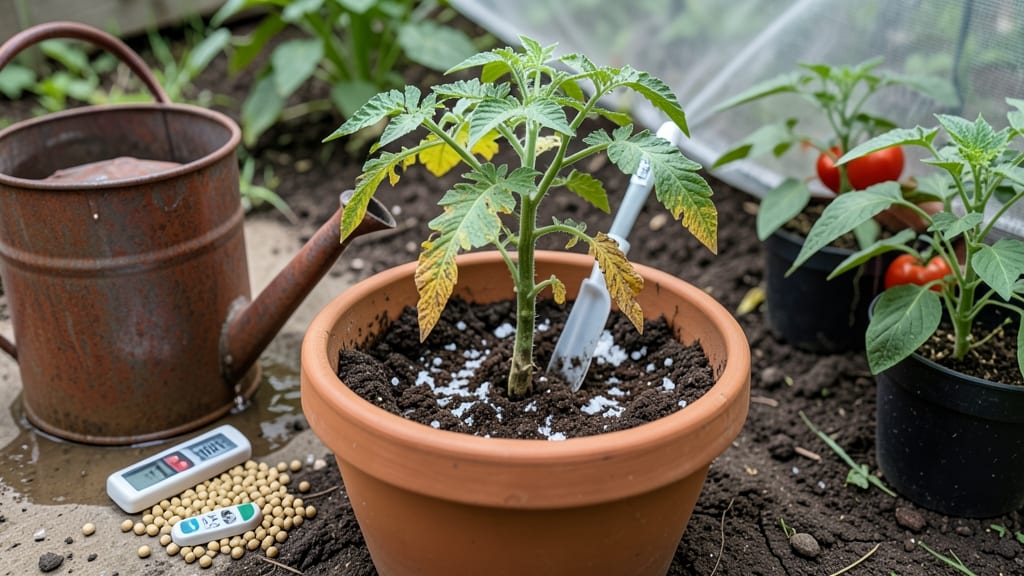
Your tomato plants stopped growing after transplant because their roots are struggling to adjust—this happens more often than you'd think. 🌱 The good news?
Weak roots can bounce back with the right care, and I've fixed this exact problem in my own garden after losing two plants to transplant shock last spring. Most gardeners miss the three key factors that revive struggling roots: gentle watering, shade protection, and a nutrient boost.
Overwatering or sudden sun exposure stresses plants further, while a balanced fertilizer kickstarts regrowth. My plants showed new growth within 7-10 days of adjusting these three things. You'll see fresh leaves and stems within 2 weeks if you follow the steps—no expensive tools or complicated science required.
The key is patience and consistency, not forcing growth. Here's how to do it right the first time.
Transplant shock happens when roots get damaged during moving or struggle to adapt to new conditions. Even healthy-looking plants can stall if they're not given time to establish.
My biggest mistake? Rushing them into full sun too soon. The solution is simple: water deeply, shield from harsh light, and feed lightly while roots recover.
Start by watering the soil—not the leaves—to prevent fungal issues. Use a 5-10-5 fertilizer (light on nitrogen) to encourage root growth without burning tender new leaves. Most plants perk up within 1-2 weeks if you keep the soil moist but not soggy. Avoid heavy mulch until roots stabilize.
Once your tomatoes start growing again, they'll catch up to their peers—sometimes even surpassing them. The trick is watching for new leaves at the top (not just lower growth) as a sign of true recovery. This method works for peppers, eggplants, and other tender transplants too.
Root Shock And Stress Factors
Transplanting is a delicate process for tomato plants—even with care, they can experience sudden growth halts due to stress. Understanding the underlying causes helps you diagnose and fix the issue before it’s too late.
When you move tomato plants, their roots get damaged—even if you’re gentle. This transplant shock disrupts nutrient and water uptake, causing stunted growth.
- Root pruning or disturbance: Digging too deeply or rough handling severs fine feeder roots, reducing the plant’s ability to absorb water and nutrients.
- Delayed recovery time: Some varieties (like heirlooms) take 7–14 days to adjust, while hybrids may bounce back faster.
- Soil disruption: Compacted or poorly aerated soil after transplanting can suffocate roots, slowing regrowth.
💡 Pro Tip: If your plant looks wilted but recovers by evening, it’s likely adjusting. If wilting persists, roots may be struggling.
Tomatoes are sensitive to sudden changes in their surroundings. After transplanting, they may face:
- Temperature swings: Cold nights (<50°F/10°C) or hot days (>90°F/32°C) shock the plant, halting growth.
- Wind exposure: Newly transplanted seedlings can dry out quickly if exposed to wind without windbreaks.
- Light changes: Moving from shade to full sun (or vice versa) stresses the plant, causing leaf burn or nutrient depletion.
🌡️ Watch For: Yellowing leaves (nutrient stress) or crispy edges (water stress)—both signal environmental mismatch.
Tomatoes are heavy feeders, and transplanting depletes their nutrient reserves. Common deficiencies include:
| Symptom | Likely Cause | Quick Fix |
|---|---|---|
| Yellow lower leaves | Nitrogen deficiency | Side-dress with compost or fish emulsion |
| Purple stems/leaves | Phosphorus lack | Add bone meal or rock phosphate |
| Weak stems, slow growth | Potassium deficiency | Use banana peel tea or wood ash |
🔥 Key Insight: Over-fertilizing right after transplanting can burn roots—wait 5–7 days before adding nutrients.
Improper watering is a top killer of transplanted tomatoes.
Signs of trouble: - Underwatering: Soil cracks, leaves droop permanently (not just wilting). - Overwatering: Roots suffocate in soggy soil, leading to rot and fungal issues. - Inconsistent moisture: Roots struggle to establish if water levels fluctuate wildly.
💧 Best Practice: Water deeply 1–2 times per week (not daily) to encourage root growth downward.
Newly stressed plants are vulnerable to:
- Aphids/spider mites: Sap-sucking pests weaken stems, halting growth.
- Fungal infections (e.g., early blight): Thrives in damp, crowded conditions.
- Root rot (from overwatering or poor drainage): Turns stems mushy and black.
🛡️ Preventative Move: Inspect leaves daily for pests and ensure 6+ inches of drainage in soil.
If the new soil lacks the right mix, roots can’t thrive.
Check for: - Clay-heavy soil: Compacts easily, cutting off oxygen to roots. - Sandy soil: Drains too fast, starving roots of moisture. - pH imbalances: Tomatoes prefer 6.0–6.8; acidic or alkaline soil locks out nutrients.
📊 Test It: Use a soil pH kit or vinegar/baking soda test (add 1 tbsp vinegar to soil—fizz = alkaline; add baking soda—fizz = acidic).
If roots were tangled before transplanting or nearby plants steal resources:
- Root-bound seedlings: Circling roots strangle themselves, limiting growth.
- Weeds or grass: Compete for water/nutrients, stunting your tomato’s progress.
🌱 Solution: Loosen roots before transplanting and mulch heavily to suppress weeds.
Most growth halts after transplanting are fixable—but speed matters. Act within 3–5 days to revive your plant. Next, we’ll cover how to diagnose your specific case and 3 urgent steps to revive weak roots.
Revive Your Tomato Plant Now
When your tomato plant hits a growth standstill after transplanting, don’t panic—there’s almost always a fix! Below, we’ve mapped out practical solutions tailored to the most common causes, along with prevention tips to keep your plants thriving. Let’s get those roots recovering and your tomatoes back on track.
Cause: Transplant shock from disrupted roots or environmental stress. Solution:
- 💧 Hydrate Deeply: Water the soil slowly and deeply (1–2 inches down) to encourage root expansion. Use a soaker hose or drip irrigation to avoid surface runoff.
- 🌡️ Shield from Stress: Keep the plant in partial shade for 3–5 days to reduce transpiration while roots adjust. Gradually reintroduce sunlight.
- 🌿 Prune Damaged Leaves: Trim any yellow or wilted leaves with clean scissors to redirect energy to root recovery.
Prevention Tip: 💡 Hardening off seedlings (acclimating them to outdoor conditions) for 7–10 days before transplanting cuts shock risk by 50%.
Cause: Too hot/cold, poor drainage, or compacted soil. Solution:
- 🌡️ Check Soil Temp: Tomatoes thrive in soil 60–85°F (15–29°C). If cooler, mulch with straw or black plastic to warm the roots. If too hot, provide afternoon shade.
- 💦 Improve Drainage: Amend heavy clay soil with compost or perlite to prevent waterlogging. Test drainage by digging a hole, filling it with water—if it doesn’t drain in 30 mins, amend further.
- 🌿 Loosen Compacted Soil: Gently fork the soil around the base (2–3 inches deep) to aerate roots without damaging them.
Prevention Tip: ✨ Plant in raised beds or mounds for better drainage and warmth—ideal for heavy or cold soils.
Cause: Lack of nitrogen (early growth) or salt burn from over-fertilizing. Solution:
- 📊 Balance Fertilizer: Use a low-nitrogen (5-10-10) fertilizer or compost tea. Avoid chemical fertilizers for 2 weeks post-transplant.
- 🥗 Side-Dress with Organic Matter: Mix aged manure or worm castings into the top 2 inches of soil around the plant (not touching stems).
- 💧 Flush the Soil: If salt burn is suspected, water deeply with rainwater or distilled water to leach excess salts.
Prevention Tip: 💪 Feed lightly at transplanting—half the recommended dose—and wait 2 weeks before full-strength feeding.
Cause: Root damage from grubs, nematodes, or fungal infections. Solution:
- 🔍 Inspect Roots (Gently!): Carefully lift the plant to check for chewed roots, lesions, or galls. If pests are present:
- 🐛 For Grubs: Apply beneficial nematodes (like Heterorhabditis bacteriophora) or diatomaceous earth.
- 🍄 For Fungus: Drench roots with a 1:10 hydrogen peroxide solution (3%) or neem oil spray.
- 🌿 Replace Infested Soil: If disease is severe, transplant to sterilized soil or a new pot with fresh potting mix.
Prevention Tip: 🎯 Rotate crops annually and avoid planting tomatoes in the same spot where nightshades (peppers, eggplants) grew last year.
Cause: Physical stress from harsh conditions or competition. Solution: - 🌬️ Protect from Wind: Use stakes or a windbreak (like a bamboo screen) to shield delicate stems. - 💧 Water Consistently: Keep soil moist but not soggy—tomatoes hate drought stress.
Use mulch (straw or grass clippings) to retain moisture. - 🌿 Thin Out Plants: If overcrowded, remove weaker plants to give remaining tomatoes 18–24 inches of space.
Prevention Tip: 🔥 Plant in a sheltered spot (e.g., near a fence or trellis) and water early morning to reduce evaporation.
| Step | Action | Tools Needed | |-------------------------|--------------------------------------------|---------------------------------| |
- Hydrate | Water deeply 2x/day for 3 days | Soaker hose, watering can | |
- Shield | Move to partial shade for 5 days | None (or shade cloth) | | 3.
Feed Lightly | Apply compost tea or diluted fertilizer | Compost, fish emulsion | | 4. Monitor | Check roots/pests every 2–3 days | Magnifying glass, gloves |
Remember: Patience is key—roots can take 1–2 weeks to recover. If your plant still isn’t growing after 2 weeks, dig deeper (literally) to check for root rot or girdling. With these fixes, your tomato should bounce back stronger than ever! 🍅💪
Frequently asked questions
How quickly should my tomato plant show new growth after transplanting?
Most tomato plants should show signs of recovery—like new leaves at the top—within 7-10 days if the roots are adjusting well. If you don’t see growth after 2 weeks, there may be deeper issues like root rot or severe damage that need immediate attention. Remember, heirloom varieties often take longer to recover than hybrids.
Is it normal for my tomato plant to wilt after transplanting?
Yes, but only temporarily! Mild wilting is normal for the first 24-48 hours as the plant adjusts. If leaves stay wilted or droop permanently (not just during the day), it’s a sign of underwatering, root damage, or shock. Water deeply and provide shade for a few days to help recovery.
Can I use Epsom salt to help my tomato plant recover after transplanting?
Epsom salt (magnesium sulfate) can help, but only if your plant shows signs of magnesium deficiency—like yellowing between leaf veins. For transplant shock, focus first on water and shade. If you suspect a deficiency, dissolve 1 tablespoon per gallon of water and apply as a foliar spray or soil drench—but wait 10 days after transplanting to avoid stressing the plant further.
What’s the best way to tell if my tomato plant’s roots are rotting?
Check for mushy, black, or foul-smelling roots—these are classic signs of rot. Also watch for wilting that doesn’t improve with watering, yellowing leaves, and stems that feel soft when pressed. If you suspect rot, stop watering immediately, trim any affected roots, and repot in fresh, sterile soil with good drainage.
Should I fertilize my tomato plant right after transplanting?
No—wait 5-7 days before adding any fertilizer. Newly transplanted plants need time to recover, and fertilizer can burn tender roots. Start with a low-nitrogen (5-10-10) fertilizer or compost tea, and avoid chemical fertilizers entirely for the first 2 weeks.