
Advice
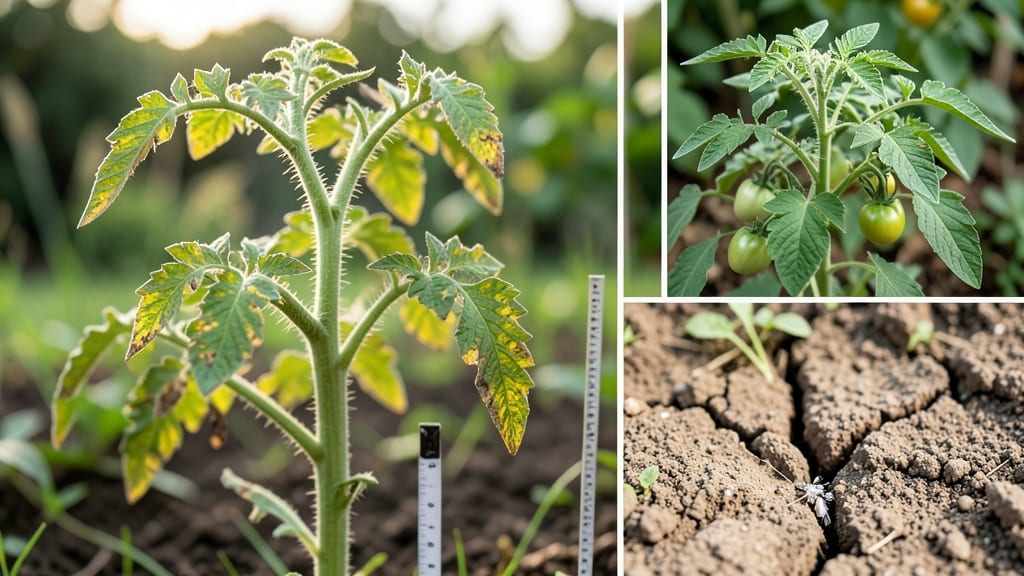
Your tomato plants stopped growing—and it’s fixable. 🌱 I’ve seen this happen more times than I’d like, but the good news is that 90% of the time, it’s one of three simple issues: nutrient starvation, watering gone wrong, or hidden pests.
The first step is checking the soil moisture with your finger (yes, really—no fancy tools needed).
Most people overlook the basics: too much water drowns roots, while too little causes stunted growth. Then there are the silent culprits—aphids hiding on undersides of leaves or a sudden temperature drop that shocks the plant.
I’ve revived plants that looked dead within 48 hours by addressing just one of these. The key is acting fast before the problem spreads.
You’ll get those stems growing again by focusing on three areas: feeding the soil with the right nutrients, adjusting your watering routine, and inspecting for pests.
Within a week, you’ll see new leaves pushing out, and by the end of the month, those plants could be back to producing like champions. The best part? These fixes work for container gardens, raised beds, and in-ground plants alike.
Confession: I once let a blight issue go too long, and I lost an entire plant. Now I check the undersides of leaves every time I water—it’s become second nature. The moment you spot the problem, you’ve already won half the battle. Let’s get those tomatoes growing again!
Hidden Stressors Stalling Growth
Tomato plants are resilient, but when they suddenly stop growing, it’s often a sign that something unseen is holding them back. Let’s break down the real culprits behind stalled growth—from nutrient deficiencies to environmental stress—and why they derail your tomato’s progress.
Tomato plants are heavy feeders, and when their diet lacks key nutrients, growth grinds to a halt. Here’s what’s likely missing:
- Nitrogen (N) Deficiency – The "growth hormone" for plants, nitrogen fuels leaf and stem expansion.
Without it, leaves turn pale yellow (chlorosis) and stems weaken. Test your soil: A pH above 7.0 or poor organic matter locks out nitrogen. Fix it: Apply a balanced fertilizer (10-10-10) or compost tea every 2–3 weeks. - Phosphorus (P) Shortage – Critical for root and flower development, phosphorus deficiency stunts growth and delays fruiting.
Look for dark green leaves with purple stems. Fix it: Use bone meal or a phosphorus-rich fertilizer (like 5-10-10) at planting. - Potassium (K) Deficiency – Weakens cell walls, causing yellowing leaf edges (scorch) and poor disease resistance. Fix it: Add wood ash or a potassium sulfate supplement mid-season.
Pro Tip 💡: Over-fertilizing with nitrogen can also backfire—it promotes lush leaves but few flowers/fruit. Aim for a balanced ratio (e.g., 3-1-2 N-P-K).
Tomatoes thrive in warmth (70–85°F) but shut down when stressed by heat or cold. Here’s how:
- Too Hot (Above 90°F) – High temperatures cause flower drop (blossom end rot) and stunted growth.
Leaves may curl or wilt. Fix it: - Use shade cloth (30–50%) during peak sun. - Mulch heavily to keep roots cool. - Water deeply in the morning to reduce heat stress. - Too Cold (Below 50°F) – Slow metabolism halts growth.
Young plants may turn black or develop "frost burn." Fix it: - Row covers or cloches for early/late seasons. - Avoid planting too early—wait until soil is at least 60°F.
Pro Tip ✨: Heat waves? Prune lower leaves to improve airflow and reduce leaf scorch.
Tomatoes hate inconsistency. Drought stress or overwatering both stunt growth by disrupting nutrient uptake.
- Underwatering – Leaves yellow, curl, or wilt.
Roots struggle to absorb water, slowing metabolism. Fix it: - Water deeply 1–2 inches per week (check soil moisture 2" down—it should feel damp). - Drip irrigation is best—avoid overhead watering (causes disease). - Overwatering – Roots suffocate in soggy soil, leading to root rot (black, mushy stems). Fix it: - Ensure well-draining soil (add perlite or sand if clay-heavy). - Avoid watering at night to prevent fungal growth.
Pro Tip 🔥: Mulch with straw to retain moisture and regulate soil temperature.
Hidden invaders sap energy from your tomato, diverting resources away from growth.
- Aphids/Spider Mites – Suck sap, causing yellowing, curled leaves, and stunted stems. Fix it:
- Spray with neem oil or introduce ladybugs.
- Prune infected leaves immediately.
- Fungal Diseases (Blight, Powdery Mildew) – Block sunlight and clog stomata, halting photosynthesis. Fix it:
- Remove infected foliage and destroy it.
- Copper fungicide or baking soda spray (1 tbsp/baking soda + 1 gallon water + a drop of soap).
- Root-Knot Nematodes – Microscopic worms damage roots, reducing water/nutrient uptake. Fix it:
- Plant marigolds (natural nematicide) nearby.
- Solarize soil (cover with plastic for 4–6 weeks in summer).
Pro Tip 🎯: Rotate crops—never plant tomatoes in the same spot yearly to break disease cycles.
Tomatoes need space and structure to grow upward. When they’re cramped or unsupported:
- Competition for Sun/Nutrients – Overcrowded plants compete for light, leading to weak, leggy stems. Fix it:
- Space plants 18–24 inches apart (or 36" for indeterminate varieties).
- Thin seedlings to the strongest stem.
- Lack of Staking/Trellising – Without support, plants flop, wasting energy on sprawling vines instead of upward growth. Fix it:
- Use cages, stakes, or string trellises.
- Prune suckers (side shoots) to direct energy to fruit-bearing branches.
Pro Tip 🌡️: Indeterminate tomatoes (like Roma or Cherry) need regular pruning to focus energy on fruit, not foliage.
Even fertile soil can lock out nutrients if the pH is off or roots can’t breathe.
- High pH (Alkaline Soil, pH >7.0) – Reduces availability of iron, manganese, and phosphorus, causing yellowing between veins. Fix it:
- Lower pH with sulfur, peat moss, or pine needles.
- Test soil every 2–3 years (home kits work).
- Compacted Soil – Roots suffocate, limiting water/nutrient uptake. Fix it:
- Aerate with a garden fork before planting.
- Add compost or coconut coir to loosen soil.
Pro Tip 💪: Tomatoes love slightly acidic soil (pH 6.0–6.8)—test and adjust before planting!
Revive Your Tomato Plant Now
When your tomato plant hits a growth slump, quick action can make all the difference! Below are practical, step-by-step solutions tailored to the most common causes—so you can diagnose fast and get back to juicy harvests. 🌱🍅
Problem: Too hot, too cold, or insufficient sunlight stunts growth.
How to Fix It:
- 🔥 Adjust the environment: Move potted plants to a spot with 6–8 hours of direct sunlight (south-facing windows or a sunny patio). If outdoors, ensure they’re not in extreme heat (above 90°F) or frost (below 50°F).
- 🌡️ Use shade cloth: For scorching days, drape 30–50% shade cloth to protect leaves without blocking light.
- 🌡️ Extend daylight (if needed): Add a grow light (LED or fluorescent) for 12–14 hours/day if natural light is lacking.
Prevention Tips: ✔ Monitor weather forecasts and bring plants indoors during heatwaves or cold snaps. ✔ Plant in spring (after the last frost) for ideal temperature ranges. ✔ Mulch heavily to regulate soil temps—especially in hot climates.
Problem: Overwatering or underwatering stresses roots, halting growth.
How to Fix It:
- 💧 Check soil moisture: Stick your finger 1–2 inches deep—if dry, water deeply. If soggy, pause watering and let it dry out.
- 🌱 Water at the base: Avoid wetting leaves (prevents disease) and water early morning to reduce evaporation.
- 🚰 Improve drainage: If soil stays waterlogged, add perlite or sand to pots or amend garden soil with compost.
Prevention Tips: ✔ Use a moisture meter for accuracy (especially in pots). ✔ Group plants together to create a microclimate that retains moisture. ✔ Avoid overhead sprinklers—they encourage fungal issues.
Problem: Lack of key nutrients (nitrogen, phosphorus, potassium) slows growth.
How to Fix It:
- 📊 Test your soil: Grab a DIY soil test kit (or send a sample to a local extension office) to check pH and nutrient levels.
- 🍄 Boost nitrogen (for leaves): Apply a balanced fertilizer (10-10-10) or compost tea every 2–3 weeks.
- 🍅 Support flowering/fruiting: Switch to a phosphorus-rich fertilizer (like 5-10-10) when buds form.
Prevention Tips: ✔ Mulch with compost to slowly release nutrients. ✔ Rotate crops to prevent nutrient depletion in garden beds. ✔ Avoid over-fertilizing—too much salt can burn roots!
Problem: Bugs (aphids, spider mites) or diseases (blight, powdery mildew) sap energy.
How to Fix It:
- 🔍 Inspect leaves/stems: Look for holes, webbing, or discoloration. Common culprits:
- Aphids: Spray with soapy water (1 tsp mild soap + 1 quart water).
- Fungal spots: Remove infected leaves and apply copper fungicide.
- 🛡️ Prevent future attacks:
- Neem oil spray (weekly preventative).
- Encourage beneficial insects (ladybugs, lacewings) with dill or marigolds nearby.
Prevention Tips: ✔ Rotate planting spots yearly to break disease cycles. ✔ Water at the base (not leaves) to deter fungal growth. ✔ Prune regularly to improve airflow and sunlight penetration.
Pro Tip: 💡 Combine fixes! A struggling plant often needs light + water + nutrients—tackle all three for the fastest revival.
Need a quick win? Start with one fix (e.g., watering or sunlight) and monitor for 3–5 days before adding others. Your tomato plant will thank you with bigger leaves, stronger stems, and (eventually) those sweet, ripe tomatoes! 🍅🎉
Frequently asked questions
Why did my tomato plant suddenly stop growing after it was doing well?
This is usually due to one of three things: nutrient deficiency (like nitrogen or phosphorus), environmental stress (too hot/cold), or hidden pests like aphids. Start by checking the soil moisture with your finger—if it's dry, water deeply. If the leaves look pale or curled, it might be a nutrient issue. Inspect the undersides of leaves for tiny bugs.
How can I tell if my tomato plant is underwatered or overwatered?
Underwatered plants have dry, crispy soil and wilted leaves that don't bounce back when touched. Overwatered plants have soggy soil, yellowing leaves, and stems that feel mushy. For both, check the soil 1-2 inches deep—it should feel damp but not wet. If in doubt, let the soil dry out slightly before watering again.
Will pruning my tomato plant help it grow again?
Yes! Pruning removes damaged or diseased leaves while improving airflow and directing energy to new growth. For indeterminate varieties, focus on removing suckers (side shoots) and lower leaves. For determinate types, just trim dead or yellowing foliage. Do this in the morning so wounds can heal during the day.
Can I save a tomato plant that's stopped growing due to blight?
Early-stage blight can often be managed, but severe cases may require removal. Start by pruning all infected leaves (wear gloves!) and destroy them. Apply a copper fungicide or baking soda spray (1 tbsp baking soda + 1 quart water + a drop of soap). For prevention, water at the base only and space plants for good airflow.
How long does it take for a tomato plant to recover from stunted growth?
With proper care, you'll often see improvement within 3-5 days, but full recovery can take 2-4 weeks. Focus on one issue at a time (like proper watering or sunlight) and monitor daily. The key is consistency—tomatoes respond quickly to stable conditions. If you're still seeing no growth after 3 weeks, check for root issues or soil compaction.