
Light Requirements
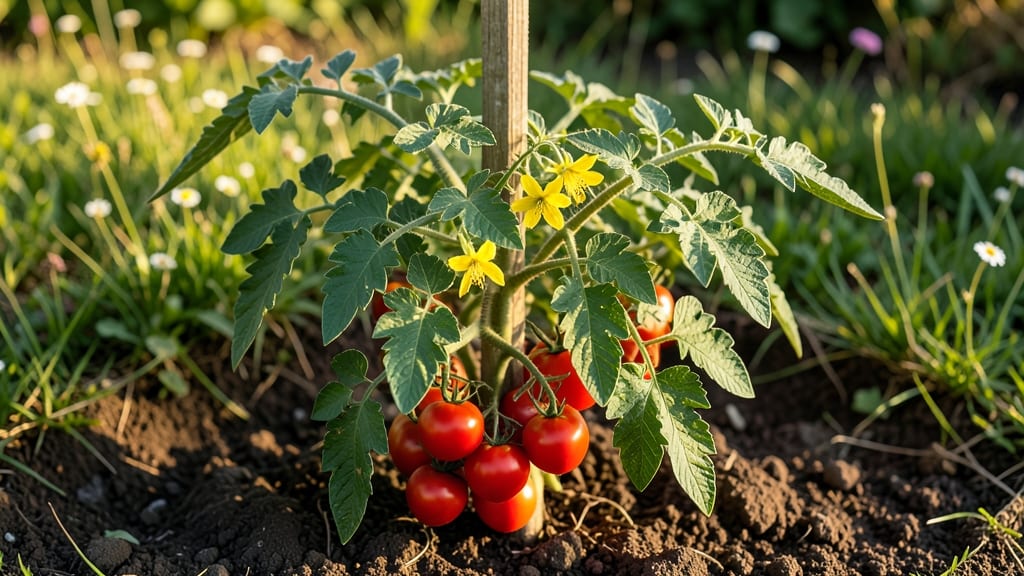
Tomato plants need direct sunlight for at least 6 hours daily to grow strong and produce flavorful fruit 🍅 — but too much sun can backfire if you don't time it right.
Picture this: you've spent weeks nurturing your seedlings, only to watch them wilt under the midday heat or produce tiny, tasteless tomatoes. The issue? Sunlight isn't just about duration—it's about balance.
Too little stunts growth, while too much can scorch leaves and reduce yields. I've seen both extremes in my garden, and the difference is night and day.
In this guide, I'll break down exactly how many hours of sunlight your tomato plants truly need, how to spot signs of sun stress, and practical ways to adjust exposure—whether you're dealing with a scorching afternoon or a shady corner.
You'll also discover how to optimize sunlight for different tomato varieties and troubleshoot common issues like sunburn or poor fruit development.
By the end, you'll know exactly how to position your plants for maximum productivity, from container placements to pruning tricks that work even in partial shade. Let's get your tomatoes thriving under the right amount of sun!

How many hours of direct sunlight do tomato plants need daily?
Tomatoes are sun-worshippers—they crave sunlight like a desert drinks water. But how much is too much or too little? The answer depends on your tomato variety and growth stage.
Most experts agree 6 to 8 hours of direct sunlight is the golden range, but let’s break it down by what your plants really need at each phase of life. Too little sun? Your tomatoes will stretch weak and pale. Too much? They’ll scorch under the midday glare.
Balance is key!
Sunlight isn’t just about hours—it’s about intensity. In hot climates (like Arizona or Southern California), plants need partial afternoon shade to prevent sunburn. Meanwhile, in cooler regions (like the Pacific Northwest), tomatoes can soak up 10+ hours of sun without issues.
The trick is understanding your local microclimate and adjusting accordingly. Let’s dive into what works best for your garden.
🌱 Did You Know? Tomatoes use sunlight for photosynthesis, but they also need it to trigger flowering and fruit set. Without enough light, your plants might grow lush leaves but produce few or no tomatoes. This is why seedlings need bright light from day one—even if they’re just starting to sprout their first true leaves.
Now, let’s talk about how to measure sunlight accurately in your garden. Most gardeners guess based on "sunny spots," but shade from trees, buildings, or even neighboring plants can drastically reduce light exposure.
Use a sunlight tracker (like a simple app or a DIY shadow test) to map your garden’s light conditions. Place a white stake in your planting spot and mark shadows every hour. If shadows overlap for more than 4 hours a day, that spot isn’t ideal for full-sun tomatoes.
For container-grown tomatoes, sunlight needs are even more critical. Pots can dry out faster and overheat, so choose south-facing balconies or patios with 6+ hours of unobstructed sun.
If your space gets less than 6 hours, opt for compact varieties like 'Tiny Tim' or 'Patio Princess' and supplement with a grow light for 4–6 hours daily. LED grow lights are energy-efficient and mimic sunlight perfectly for fruiting stages.
Regional adjustments matter! In Zone 5 or colder (like Minnesota or Upstate New York), tomatoes planted in May or June can enjoy longer daylight hours (up to 15 hours in summer).
Meanwhile, in Zone 10 or warmer (like Florida or Southern California), afternoon shade is a must to prevent sun scald on fruit. If you’re in a partial-shade garden, choose determinate varieties (like 'Roma' or 'Celebrity')—they tolerate less sun better than indeterminate types (like 'Sungold' or 'Brandywine').
Watch out for sunburn symptoms on your tomato leaves or fruit. If you see white or gray patches (like sunburnt skin), your plants are getting too much direct midday heat. Provide shade with a lightweight shade cloth (30–50% block) or move containers to a morning-sun spot.
On the flip side, yellowing leaves or weak stems mean your tomatoes aren’t getting enough light. Prune nearby plants or relocate your containers to a sunnier spot immediately.
Pro tip: Reflective mulch (like white gravel or aluminum foil) can increase sunlight exposure by 20–30% by bouncing light back onto your plants. This is especially helpful in shady gardens or for early-season seedlings that haven’t reached their full height yet.
Just lay the mulch 12–18 inches away from the plant base to avoid overheating the roots.
Ready to optimize your tomato’s sunlight? Start by auditing your garden’s light conditions, then adjust based on your tomato variety and local climate. With the right balance, you’ll be rewarded with juicy, flavorful tomatoes
Signs your tomato plants aren’t getting enough sunlight (and how to fix it)
If your tomato plants look leggy, pale, or produce few fruits, insufficient sunlight might be the culprit. Tomato plants need 6-8 hours of direct sunlight daily to thrive, but many gardeners overlook subtle signs of deficiency until it's too late.
I’ve seen my own plants struggle when moved under a new shade tree—weak stems and yellowing leaves were my first clues.
Even partial shade can stunt growth, especially during the flowering and fruiting stages. Without enough light, plants divert energy to leaf production instead of fruit development, leaving you with small, tasteless tomatoes. Let’s diagnose the problem and fix it before your harvest suffers.
🌱 Warning: Sunlight Deficiency Signs
Tomato plants in low-light conditions show these key warning signs:
- ✖️ Yellowing leaves (especially lower leaves)
- ✖️ Weak, spindly stems (reaching for light)
- ✖️ Poor fruit set (few flowers or small tomatoes)
- ✖️ Pale or purple-tinged foliage (nutrient deficiency from weak growth)
Start by observing your plants daily—check for leaf color changes and stem strength. If you notice leggy growth (stems stretching toward light), it’s a clear sign your tomatoes need more sun.
I once had a plant grow 6 feet tall but produce only 3 small tomatoes because it was tucked behind a fence.
For outdoor gardens, prune nearby trees or shrubs to increase sunlight exposure. If your tomatoes are in containers, move them to a sunnier spot or use a reflective mulch (like white gravel) to bounce light onto the plants.
Even 1-2 extra hours of sun can make a dramatic difference in fruit production.
If you’re growing tomatoes indoors, supplement with a grow light (LED or fluorescent) for 12-16 hours daily. Place the light 6-12 inches above the plants and keep it 4-6 inches away as they grow.
I use a full-spectrum LED bulb on a timer for my windowsill tomatoes, and it’s made all the difference in their growth.
Create a troubleshooting checklist to diagnose and fix sunlight issues:
- ☑️ Check sunlight hours (use a sun calculator or app)
- ☑️ Prune obstructions (trees, fences, or tall plants)
- ☑️ Adjust container placement (move to a sunnier window or balcony)
- ☑️ Supplement with grow lights (if indoors or in shade)
- ☑️ Rotate plants weekly (for even light exposure)
With these fixes, your tomato plants should rebound quickly. Within 1-2 weeks, you’ll see darker green leaves, stronger stems, and more flowers. And remember—consistent sunlight is the key to juicy, flavorful tomatoes that everyone will beg for at your next garden party! 🍅