
Companion Plants
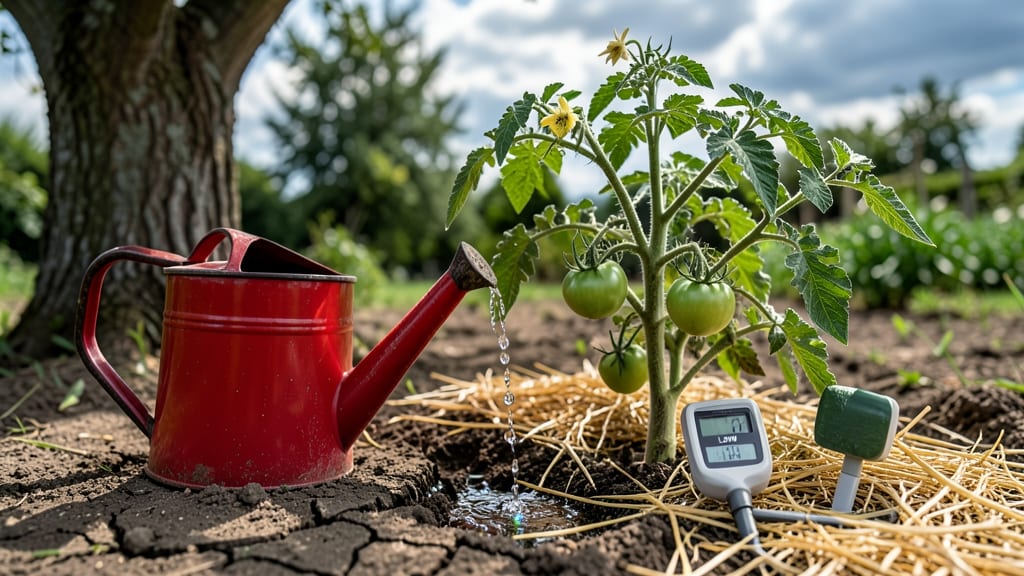
When your tomato plants dry out, it’s not always what you think—overwatering can be just as deadly as underwatering. 🌱 I’ve nursed back more wilted vines than I’d like to admit, and the key lies in checking the soil and roots before panicking.
What looks like thirst might actually be root rot or pest damage hiding beneath the surface.
The first step is simple but critical: stick your finger 2 inches into the soil. If it’s bone-dry, you’re underwatering; if it’s soggy, you’ve got overwatering. Healthy soil should feel like a damp sponge—not crumbly or muddy.
Once you know the real issue, you can fix it with targeted watering or soil adjustments that actually work.
Within 48 hours of proper care, you’ll see leaves perk up and new growth emerge. The secret is consistency—tomatoes hate moisture extremes—and a quick root check ensures you’re not fighting a silent battle with pests or disease. No more guessing games, just healthy, productive plants.
This method works for both container and in-ground tomatoes, so whether you’re growing on a balcony or in a raised bed, the same principles apply. Let’s turn those limp vines into thriving producers again—starting with a closer look at what’s really going on below the soil.
📚 In This Guide
- What you need
- Instructions
- Tips and common mistakes
- Wrapping up and next steps
What you need
- ● Watering can or hose – A gentle-spray nozzle (for hydration) or a soaker hose (for deep watering).
- ● Garden trowel or small shovel – For checking soil moisture 1–2 inches deep.
- ● Pruning shears or scissors – Sterilized with rubbing alcohol to trim damaged or wilted leaves.
- ○ Moisture meter (optional but helpful) – Digital or analog to measure soil moisture accurately.
- ● Organic mulch (straw, grass clippings, or shredded leaves) – 2–3 inches thick to retain soil moisture.
- ● Compost or well-aged manure – 1–2 cups per plant to improve soil fertility and water retention.
- ● Epsom salt (magnesium sulfate) – 1 tablespoon dissolved in 1 gallon of water for nutrient boost.
- ● Shade cloth (lightweight, 30–50%) – To protect plants from intense midday sun if wilting persists.
- ● Check the weather forecast—avoid watering if rain is expected within 24 hours.
- ● Ensure your plants have well-draining soil (amend with compost if clay-heavy).
- ● Water in the early morning or late evening to minimize evaporation.
How to revive wilted tomato plants before it’s too late
When your tomato plants suddenly droop, don’t panic—this is often fixable with quick action.
💧 Step 1: Check and Correct Watering Immediately
First, feel the soil 2-3 inches deep—if it’s bone-dry, that’s your problem. Tomato roots need consistent moisture, but they hate soggy soil just as much. Water deeply until it drains from the bottom of the pot or garden bed, then wait 15-20 minutes before watering again. This prevents shocking the roots.
If the soil feels damp but the plant still wilts, the issue might be overwatering or poor drainage. Move potted plants to a shadier spot for a day to reduce evaporation stress. Mulch around the base with 2-3 inches of straw or shredded leaves to lock in moisture and keep roots cool.
☀️ Step 2: Adjust Light and Heat Stress
Tomatoes wilt fast under midday sun or when temps hit above 90°F. If your plants are drooping in the afternoon, provide partial shade with a sheer cloth or move them to a spot with morning sun only. Avoid sudden shade changes—gradually acclimate them over 2-3 days to prevent shock.
Check for sunburn on leaves (yellow or crispy patches). If you see this, prune the damaged foliage with clean, sharp scissors and water at the base—not overhead—to avoid spreading disease. A light application of compost tea can help recovery by boosting microbial activity in the soil.
✂️ Step 3: Prune and Support for Recovery
Trim any yellow or brown leaves to redirect the plant’s energy to healthy growth. Focus on removing leaves near the soil to improve airflow and prevent fungal issues. If the stems feel soft or mushy, the plant may be beyond saving—start fresh with new seedlings.
Prop up wilted stems with tomato cages or stakes to prevent further damage. Water at the base only (never the leaves) for the next 5-7 days to encourage root recovery. If the plant perks up by day two, you’re on the right track—if not, it’s time to assess whether the roots are salvageable.
🌱 Step 4: Feed and Monitor for Long-Term Health
Once the plant shows signs of recovery (firm stems, new growth), fertilize with a balanced liquid fertilizer (like 10-10-10) diluted to half strength. Too much fertilizer now can stress the plant further. Instead, focus on water consistency—tomatoes prefer 1-1.5 inches per week, adjusting for rain.
Watch for new leaf growth as your signal that roots are re-establishing. If wilting returns after a few days, the issue might be root damage or disease—dig gently to check for healthy white roots. If roots look dark or mushy, the plant won’t recover, and you’ll need to replace it.
Tips & tricks for reviving wilted tomato plants
Here's what nobody tells you about saving your tomato plants—these tricks make all the difference when every minute counts.
Soil Check Secret: In Step 1, when you check the soil 2-3 inches deep, press it gently—if it crumbles like sand, you're dealing with drought stress. But if it stays clumped and feels cold to the touch, overwatering is your culprit. I've learned the hard way that tomato roots need that Goldilocks zone: not too wet, not too dry. A moisture meter can help if you're unsure, but even a wooden skewer works—push it in and check for dampness.
Heat Stress Rescue: When temps hit above 90°F, as mentioned in Step 2, don't just move plants to shade—consider a temporary shade cloth that blocks 30-50% of light. I use old white bedsheets in a pinch, but proper shade cloth lasts longer. The key is gradual acclimation over 2-3 days, not sudden shade shifts that can cause more stress. Watch for crispy leaf edges—those are sunburn warnings you can't ignore.
Pruning Precision: In Step 3, when trimming yellow or brown leaves, focus on removing only the damaged foliage near the soil. I always use clean, sharp pruners to avoid tearing the stems. Here's the thing: don't remove more than 25% of the plant's leaves at once—this keeps the plant from going into shock while still improving airflow. And always prune in the morning when the plants are hydrated.
Recovery Timeline: After implementing all steps, monitor your plants closely for the next 5-7 days. The 15-20 minute wait after watering in Step 1 is crucial—it lets the soil absorb properly without shocking the roots. I've seen plants perk up within hours, while others take 3-4 days to show real improvement. If there's no sign of recovery by day 5, it's time to assess root health by gently digging around the base.
Pro Tips for Tomato Plants Drying Out
- Here's what nobody tells you about saving your tomato plants—these tricks make all the difference when every minute counts.
- Soil Check Secret: In Step 1, when you check the soil 2-3 inches deep, press it gently—if it crumbles like sand, you're dealing with drought stress.
- Heat Stress Rescue: When temps hit above 90°F, as mentioned in Step 2, don't just move plants to shade—consider a temporary shade cloth that blocks 30-50% of light.
Frequently asked questions
about tomato plants drying out—because even seasoned gardeners hit a snag now and then! Here are answers to the most common concerns to help you get your vines back to thriving in no time.Why are my tomato plants drying out so fast, even with water?
Tomato plants dry out quickly due to transpiration (water loss through leaves) and shallow root systems. Overwatering can also suffocate roots, while underwatering stresses them. Check soil moisture 1-2 inches deep—if it’s dry, water deeply at the base (not leaves) to encourage deeper roots. Mulching retains moisture and reduces evaporation.
How long does it take for wilted tomato plants to recover?
Recovery time varies! Mild wilting from heat or thirst may bounce back in 24-48 hours with proper care (water, shade, and pruning). Severe cases (like fungal blight or root rot) can take 1-2 weeks or require removal. Monitor leaves for crispiness or discoloration—if they stay limp after watering, the damage may be permanent.
Can I save tomato plants that are completely dry and crispy?
Unfortunately, fully dried or browned plants are usually beyond saving, but you can salvage parts of the plant! Cut healthy green stems and replant them in moist soil (they may root in 1-2 weeks). For the main plant, remove it to prevent disease spread. If only a few branches are affected, prune them and focus on reviving the rest.
What’s the best way to prevent tomato plants from drying out in extreme heat?
Beat the heat with these tricks:
- Morning watering: Water before 10 AM to reduce evaporation.
- Shade cloth: Use 30-50% shade fabric during peak sun (12–3 PM).
- Prune strategically: Remove lower leaves to improve airflow and reduce water loss.
- Mulch heavily: Straw or wood chips keep roots cool and moist.
Are there companion plants that help tomato plants retain moisture?
Yes! Plant these moisture-loving companions near your tomatoes to create a microclimate that retains humidity:
- Basil – Repels pests and shades soil.
- Marigolds – Improve soil and deter harmful insects.
- Bush beans – Fix nitrogen and reduce water competition.
- Oregano or thyme – Ground covers that suppress weeds and retain moisture.
Wrapping up and next steps
Don’t let wilting tomato plants stress you out—with the right care, your vines can bounce back stronger than ever! 🌱 By addressing underwatering, overwatering, or poor drainage, adjusting sunlight exposure, and boosting soil health, you’re already on the path to a thriving harvest.
The key is patience and consistency, so keep an eye on your plants and adapt as needed.
Ready to turn things around? Start by auditing your garden setup—check soil moisture, mulch, and plant placement. If your tomatoes are still struggling, consider adding companion plants like basil or marigolds to improve growth conditions. Happy gardening! 🌿