
Companion Plants
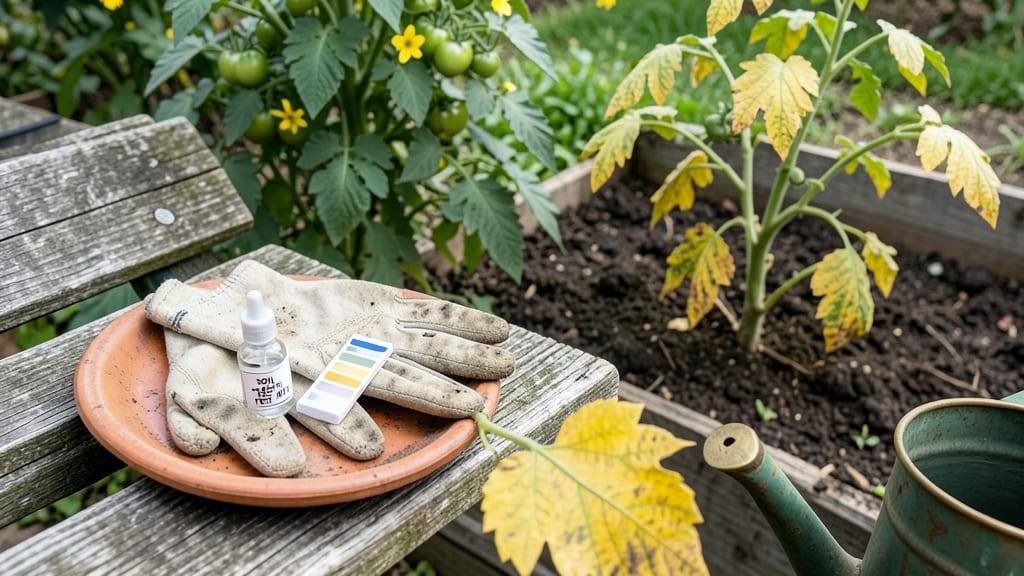
Your tomato plants looking yellow is a cry for help—and it’s fixable. 🌱 I’ve nursed back more than my share of sad-looking tomatoes, and the first step is figuring out whether you’re dealing with a quick fix or a full-blown crisis like root rot.
The good news? Most yellowing leaves respond to simple adjustments before you even need to reach for the pruners.
Start by checking the soil: is it soggy like a swamp or bone-dry like a desert? Overwatering causes root rot, while underwatering stresses plants into dropping leaves. Then flip the leaves—spots or mold on the undersides mean fungal issues (like early blight), while crispy edges point to nutrient burn.
The key is acting fast: root rot spreads in days, but overwatering fixes in a week.
Here’s the game-changer: 3 steps—adjust watering, prune the worst leaves, and add a handful of compost to the soil. Within a week, you’ll see new green growth pushing through.
The plants won’t just survive; they’ll bounce back stronger, with fewer weak spots for pests to target. This is where you turn "oh no" into "oh wow."
Prevention is easier than rescue: mulch heavily to keep roots cool, water at the base (not overhead), and rotate crops next season. Yellow leaves are just your plants talking—listen, and they’ll keep producing those juicy tomatoes all summer long.
Root Causes Behind Yellowing Tomato Leaves
When your tomato plants start turning yellow, it’s often a cry for help from the roots—or something else lurking beneath the surface. Understanding the why behind the discoloration is the first step to saving your harvest.
Below, we break down the most common culprits, backed by science, so you can diagnose the issue like a pro. 🌱🔍
Yellowing leaves, especially starting from the bottom, are classic signs of root rot. This fungal infection thrives in soggy soil, where roots suffocate and decay. Here’s how it happens:
- Excess moisture: Tomato roots need oxygen, but waterlogged soil starves them. Overwatering (or heavy clay soil that doesn’t drain) creates the perfect breeding ground for Phytophthora and Pythium fungi.
- Stunted nutrient uptake: Rotten roots can’t absorb water or nutrients, causing leaves to yellow and wilt. The plant may also drop fruit prematurely.
- Check for: Mushy, dark roots and a foul odor when you dig near the base.
💡 Pro Tip: Stick your finger 2 inches into the soil—if it’s damp, wait to water. Amend heavy soil with compost or perlite to improve drainage.
On the flip side, yellowing leaves can signal drought stress, especially in hot climates. When roots dry out:
- Water transport halts: The plant prioritizes water to new growth, causing older leaves to yellow and crisp at the edges.
- Heat scorch: High temperatures (above 90°F) combined with dry soil can lead to blossom-end rot and leaf discoloration.
- Check for: Dry, brittle soil and leaves that feel papery or curl upward.
✨ Fix It: Water deeply at the soil level (not the leaves) in the early morning. Use mulch to retain moisture and shade cloth to protect plants during heatwaves.
Yellowing leaves can also be a nutritional red flag. Different deficiencies target specific parts of the plant:
| Deficiency | Symptoms | Solution |
|---|---|---|
| Nitrogen (N) | Older leaves turn yellow (chlorosis) but stay green near the veins. | Apply a balanced fertilizer (e.g., 10-10-10) or compost tea. |
| Magnesium (Mg) | Interveinal yellowing (between veins) on older leaves, with veins staying green. | Use Epsom salt (1 tbsp per gallon of water) every 2 weeks. |
| Iron (Fe) | Young leaves turn yellow while veins stay green (common in alkaline soil). | Add chelated iron or lower soil pH with sulfur or pine needles. |
🌡️ Test Your Soil: A simple soil test kit can confirm deficiencies before guessing. Adjust pH if needed—tomatoes prefer 6.0–6.8.
Hidden pests or pathogens can wreak havoc underground, leading to yellowing above:
- Root-knot nematodes: These microscopic worms feed on roots, causing stunted growth and yellowing. Look for galls (lumpy roots).
- Fungal diseases (e.g., Fusarium wilt): Yellowing spreads upward as the fungus blocks water transport. Wilting may occur in the late afternoon.
- Check for: Weak stems, sudden wilting, or yellowing that spreads to new leaves.
🔥 Prevention: Rotate crops annually, sterilize tools, and plant resistant varieties. For nematodes, solarize soil or apply beneficial nematodes (Steinernema species).
Now that you know the why, the next step is action. Diagnose your plant’s symptoms and tackle the root cause (literally!) before it’s too late. 🍅🚜
Fixing Yellow Tomato Leaves Fast
When your tomato plants start turning yellow, it’s time to roll up your sleeves and take action! Root rot and other stressors can turn lush green leaves into sad, yellow patches—but don’t worry, these fixes are simple and effective.
Below, we’ve mapped out the best solutions for each cause, so you can diagnose and treat your plants like a pro.
If your tomato plants are drowning in soggy soil, their roots suffocate, leading to yellowing leaves. Here’s how to save them:
Step 1: Stop Watering Immediately 🔥 Pause watering for 2–3 days to let the soil dry out. Overwatering is the #1 killer of tomato plants, so don’t rush back into a watering routine.
Step 2: Improve Soil Drainage 🍳 Amend the soil with perlite, sand, or compost to break up compacted earth. A mix of 20% coarse material (like perlite) and 80% organic matter works best.
Step 3: Repot if Necessary 👨🍳 If root rot has set in, transplant your tomato into a pot with fresh, well-draining potting mix. Choose a container with drainage holes to prevent future issues.
Prevention Tip: ✨ Water deeply but infrequently—tomatoes prefer dry soil between waterings. Stick your finger 1–2 inches into the soil; if it’s damp, wait before watering again.
Too much sun or scorching heat can cause yellowing, especially on lower leaves. Here’s how to cool things down:
Step 1: Provide Shade Cloth 🌿 Use shade cloth (30–50%) to filter harsh afternoon sun. This is especially helpful in hot climates or during summer peaks.
Step 2: Mulch to Retain Moisture 🥘 Apply 2–3 inches of mulch (straw or wood chips) around the base of the plant. This keeps roots cool and retains moisture.
Step 3: Water Early in the Day ⏰ Water before 10 AM to reduce evaporation and prevent heat stress. Avoid wetting leaves at night to minimize fungal risks.
Prevention Tip: 💡 Choose heat-tolerant varieties like ‘Solar Fire’ or ‘Heatmaster’ if you live in a hot climate. These tomatoes handle the heat better than standard varieties.
Yellowing leaves with dark spots or mushy stems could signal a fungal or bacterial infection. Act fast to stop the spread!
Step 1: Prune Infected Leaves ✂️ Snip off yellow or spotted leaves with sterilized scissors. Dispose of them in the trash (not compost) to prevent reinfection.
Step 2: Apply Fungicide 🔥 Spray with copper fungicide (like Copper Soap) or a baking soda solution (1 tsp baking soda + 1 quart water + a drop of dish soap). Reapply every 7–10 days.
Step 3: Improve Air Circulation 🌬️ Space plants 18–24 inches apart and stake them to encourage airflow. Crowded plants trap moisture, inviting fungi.
Prevention Tip: 🌡️ Rotate crops yearly to prevent soil-borne diseases. Avoid planting tomatoes in the same spot two years in a row.
Yellowing leaves can also signal a hunger for key nutrients. Here’s how to feed your tomatoes back to health:
| Symptom | Likely Deficiency | Quick Fix |
|---|---|---|
| Yellow lower leaves | Nitrogen | Apply blood meal or fish emulsion |
| Yellow edges (scorched) | Potassium | Use potassium sulfate or banana peel tea |
| Yellow between veins | Magnesium | Sprinkle Epsom salt (1 tbsp/gallon water) |
Prevention Tip: 💪 Fertilize regularly with a balanced tomato fertilizer (10-10-10 or 5-10-10) every 2–3 weeks. Avoid overdoing nitrogen—it leads to leafy growth but fewer tomatoes!
If your tomato plant is severely yellow, wilted, or mushy at the stem, it may be beyond saving.
However, you can still salvage the soil for future plants: - Remove the plant entirely (roots and all) to prevent disease spread. - Sterilize the pot with a 10% bleach solution (1 part bleach to 9 parts water). - Repurpose the space for a different crop (like basil or peppers) once the soil has rested for a month.
With these fixes, your tomato plants should bounce back in 1–2 weeks—just give them time and consistent care. 🍅🌟 Happy growing!
Frequently asked questions
Why are my tomato leaves turning yellow only on the bottom?
This is usually a sign of overwatering or root stress. Bottom leaves yellow first because they're oldest and most sensitive to nutrient shortages caused by poor root function. Check for soggy soil—if it stays damp for more than a day, you're likely dealing with root rot. Try letting the top 2 inches of soil dry out between waterings.
Can I save my tomato plant if the yellowing has spread to new leaves?
It depends! If yellowing is paired with wilting or mushy stems, you may have Fusarium wilt or bacterial infection, which are often fatal. However, if leaves are just yellowing without other symptoms, prune the worst leaves, improve airflow, and apply a balanced fertilizer—plants often recover within 1-2 weeks with proper care.
How do I know if my tomato plant needs more water or less?
Check the soil: if the top 1-2 inches are dry, it needs water. But if the soil feels damp or has a sour smell, you're overwatering. A good test is to gently tug on a leaf—if it resists, the plant has enough moisture. Water deeply at the base in the morning rather than light daily sprinkles.
Will Epsom salt help yellow tomato leaves?
Only if the yellowing is caused by magnesium deficiency (yellowing between veins on older leaves). Mix 1 tablespoon Epsom salt per gallon of water and spray on leaves weekly. For other causes like overwatering or disease, Epsom salt won't help—focus on fixing the root issue first.
Can I still harvest tomatoes from a yellowing plant?
Yes! Yellowing leaves don't always mean the fruit is affected. Focus on harvesting green tomatoes first—they ripen better indoors. If the plant is severely diseased (like with spots or mold), remove those fruits immediately to prevent spread. Healthy-looking tomatoes can continue ripening even if leaves are struggling.