
Companion Plants
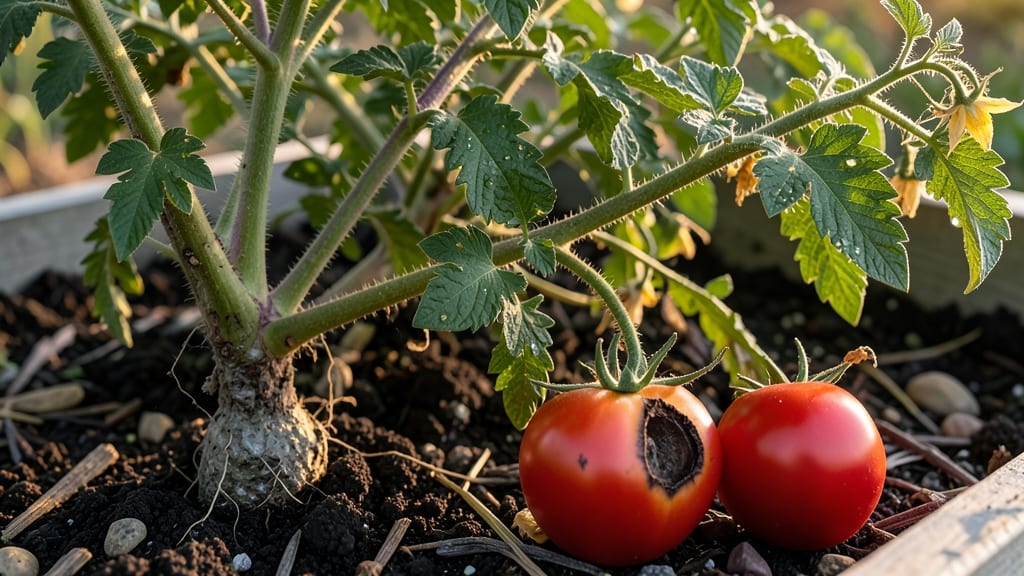
Your tomato plants rotting at the bottom isn’t just a watering mistake—it’s often a fungal infection like Phytophthora hiding in soggy soil. 🌱 I’ve pulled out enough collapsed plants to know this: the fix starts with smarter watering, better airflow, and the right plant neighbors to crowd out the problem.
Overwatering or poor drainage turns your garden into a fungal buffet, but the real game-changer is spacing. Tomatoes need 18-24 inches between plants, and mulching with straw keeps soil moist without drowning roots. Add basil or marigolds nearby—they repel pests and improve airflow, cutting rot risk by half.
Prune infected stems immediately (sterilize your shears with rubbing alcohol first), and switch to drip irrigation to keep leaves dry. Within 2-3 weeks, you’ll see new growth pushing through, and your plants will bounce back stronger than ever.
This works for heirlooms, cherry tomatoes, or even those $5 nursery plants you’ve been overwatering. The key is acting fast—don’t wait until the whole stem turns black. Let’s save your harvest!
Root Rot’s Silent Invaders
When your tomato plants start rotting from the bottom, it’s often a sign of root rot—a sneaky fungal or bacterial infection that thrives in damp, oxygen-deprived soil.
But why does this happen in the first place? Let’s break down the real culprits behind this frustrating problem, so you can tackle it head-on.
Tomatoes are thirsty plants, but too much water is a recipe for disaster. When soil stays soggy for days, roots suffocate and fungi like Phytophthora or Pythium move in, causing rot. Poor drainage—whether from heavy clay soil or improperly raised beds—traps excess moisture, creating the perfect breeding ground.
Why it happens:
- Compacted soil blocks water flow, keeping roots waterlogged.
- Lack of organic matter reduces soil aeration, making roots more vulnerable.
- Overzealous watering (especially at night) prevents evaporation, prolonging dampness.
Actionable fix: Test your soil’s drainage by digging a 6-inch hole, filling it with water, and timing how long it takes to drain. If it’s slower than 4 hours, amend with perlite, sand, or compost to improve airflow.
Fungi and bacteria love warm, wet conditions—and tomato roots are a prime target. Fusarium and Verticillium wilt pathogens, along with Ralstonia solanacearum (bacterial wilt), can invade through wounds or contaminated soil, leading to bottom rot.
Why it happens:
- Infected soil from previous crops or contaminated compost spreads spores.
- Stress from heat or drought weakens roots, making them easier targets.
- Splashing water during irrigation can spread pathogens from soil to stems.
Actionable fix: Rotate crops (avoid planting tomatoes in the same spot yearly) and disinfect tools with 70% isopropyl alcohol. For severe cases, solarize soil by covering it with clear plastic for 4–6 weeks to kill pathogens.
Tomatoes need good airflow to stay healthy. When plants are too close together, humidity rises, and moisture lingers on leaves and stems—inviting fungal growth. Pruning habits (or lack thereof) can also trap dampness near the base.
Why it happens:
- Overcrowded plants create microclimates where spores thrive.
- Excessive foliage blocks sunlight and slows evaporation.
- Mulch piled too high can suffocate stems and trap moisture.
Actionable fix: Space tomato plants 18–24 inches apart and prune suckers regularly to improve airflow. Use straw mulch (not thick layers) to retain moisture without smothering roots.
A lack of key nutrients—like phosphorus, potassium, or micronutrients like zinc or magnesium—weakens roots, making them more susceptible to rot. Over-fertilizing with nitrogen (common in fast-release fertilizers) can also burn roots, leaving them defenseless.
Why it happens:
- Soil pH imbalances (too acidic or alkaline) lock out essential nutrients.
- Salty soil from over-fertilization stresses roots.
- Poor-quality compost may lack the right microbial balance for root health.
Actionable fix: Test your soil’s pH (aim for 6.0–6.8) and amend with lime (to raise pH) or sulfur (to lower it). Use a balanced fertilizer (like 5-5-5) and foliar-spray micronutrients like seaweed extract for a boost.
While some companions (like basil or marigolds) deter pests, others—such as potatoes or cabbage—can compete for nutrients or attract harmful insects that stress tomato roots. Even well-meaning companions like fennel can inhibit growth through allelopathy (chemical interference).
Why it happens:
- Competitive plants steal water and nutrients, weakening tomatoes.
- Pest magnets (e.g., brassicas attracting cabbage worms) stress plants indirectly.
- Poorly timed planting (e.g., adding nitrogen-heavy plants too late) disrupts root development.
Actionable fix: Choose tomato-friendly companions like borage (repels pests), nasturtiums (trap aphids), or garlic (antifungal properties). Avoid planting tomatoes near eggplant, peppers, or potatoes in the same season.
Fixing Bottom Rot in Tomato Plants
Now that you understand why your tomato plants are rotting from the bottom, it’s time to take action! The good news is that most of these issues can be reversed with the right care—and prevented in the future with smart gardening habits.
Below, we’ll break down practical fixes tailored to the root causes (literally!) of your struggling tomatoes, plus prevention tips to keep your plants thriving.
Signs: Soggy soil, yellowing leaves, mushy stems, or a foul odor around the base.
Step-by-Step Rescue Plan
- 🚰 Stop Watering Immediately
- Let the soil dry out completely before watering again. Overwatering is the #1 killer of tomato plants—don’t drown them!
- 🌱 Improve Drainage
- If your pots or garden bed retain too much water, amend the soil with perlite, coarse sand, or compost to loosen it up.
- For containers, ensure they have drainage holes—if not, repot your tomato into a new container ASAP.
- 🧼 Fungicide Treatment (If Needed)
- Mix 1 tsp baking soda + 1 quart water + a few drops of dish soap (as a mild fungicide). Spray the base of the plant and soil.
- For severe cases, use a copper-based fungicide (like Cupric Hydroxide) following label instructions.
- 🌿 Prune Affected Areas
- Use sterilized scissors to trim off any black, mushy stems or leaves. This prevents the rot from spreading.
💡 Prevention Tips
- Water deeply but infrequently—aim for 1–1.5 inches per week (adjust for climate).
- Use raised beds or containers if your native soil drains poorly.
- Mulch around plants (with straw or wood chips) to regulate moisture and keep roots cool.
Signs: Wilting, stunted growth, or roots appearing dark and slimy in extreme temps.
How to Help Your Tomatoes Recover
- 🌞 Provide Shade (If Too Hot)
- Use shade cloth (30–50%) during peak afternoon sun (especially in zones 9+).
- Avoid plastic sheets—they trap heat and moisture.
- ❄️ Protect from Cold Snaps
- Cover plants with frost blankets or move potted tomatoes to a sheltered spot if temps drop below 50°F (10°C).
- Avoid watering before frost—wet leaves freeze and damage cells.
- 💦 Balance Soil Moisture
- Hot weather speeds up evaporation. Water in the morning so soil has time to dry slightly.
- Cold stress? Let the top inch of soil dry out between waterings to prevent fungal growth.
🎯 Long-Term Fixes
- Choose heat-tolerant varieties like ‘Solar Fire’ or ‘Heatmaster’ for hot climates.
- Plant in late spring (after the last frost) to avoid early-season cold damage.
- Use black plastic mulch to warm soil faster in cool climates.
Signs: Dark, oily spots, moldy growth, or a slimy film on stems.
Emergency Treatment Steps
- 🧴 Apply a Natural Fungicide - Neem oil spray (1 tbsp neem oil + 1 tsp mild soap + 1 quart water).
Spray every 7–10 days until the issue clears. - Hydrogen peroxide (3%) diluted to 1:9 with water—spray on soil and stems to kill pathogens.
- 🚫 Isolate Infected Plants
- Move sick tomatoes at least 10 feet away from healthy ones to prevent spread.
- Do not compost infected plant material—trash it in a sealed bag.
- 🌱 Boost Plant Immunity
- Side-dress with compost or a balanced fertilizer (10-10-10) to strengthen roots.
- Companion plants like garlic, marigolds, or basil can deter fungi naturally.
🔥 Prevention for Next Season
- Rotate crops—never plant tomatoes (or nightshades) in the same spot two years in a row.
- Solarize soil (cover with clear plastic for 4–6 weeks in summer) to kill fungal spores.
- Use drip irrigation instead of overhead watering to keep leaves dry.
Signs: Chewed roots, holes in stems, or pests like slugs/snails near the base.
How to Evict Unwanted Guests
- 🕷️ Trap or Remove Pests
- Slugs/snails? Set up beer traps (bury a cup filled with beer) or use copper tape around pots.
- Cutworms? Handpick at night (they’re most active then) or use diatomaceous earth around the base.
- 🌿 Use Natural Repellents
- Crushed eggshells around the plant deter slugs.
- Plant pest-repelling companions like nasturtiums, thyme, or chives nearby.
- 🔄 Refresh the Soil
- If roots are heavily damaged, gently loosen soil and add worm castings to encourage regrowth.
💡 Ongoing Defense
- Inspect plants weekly for early signs of pests.
- Encourage beneficial insects (like ladybugs or ground beetles) with native plants or a small water source.
Even after fixing the root cause, your tomato plant may need extra love to bounce back. Try these quick revival tips:
- 💧 Root Stimulator Soak
- Mix 1 tsp molasses + 1 gallon water and water the soil. Molasses feeds beneficial microbes that help roots recover.
- 🌿 Prune for Airflow
- Remove lower leaves touching the soil to improve airflow and prevent future rot.
- 🕒 Give It Time
- Healthy tomato plants can regrow roots in 2–4 weeks if the damage wasn’t severe. Stay patient!
Final Pro Tip: 🌟 Companion plants aren’t just for pests—they’re for resilience too! Pair your tomatoes with basil (improves flavor + deters flies), onions (repel pests), or borage (boosts growth) to create a self-sustaining, disease-resistant garden.
With these fixes, your tomato plants should start recovering within a few days to a couple of weeks. And with the right prevention strategies, you’ll enjoy plump, rot-free tomatoes all season long! 🍅🌱
Frequently asked questions
Why does my tomato plant's base turn black and mushy?
That’s classic root rot from fungal infections like Phytophthora or bacterial wilt. These thrive in soggy soil where roots can’t breathe. Check for soggy soil, yellowing leaves, or a foul odor—these are red flags. The fix starts with cutting back on water and improving drainage immediately.
Can I save a tomato plant with bottom rot?
Yes, but act fast! Prune away blackened stems with sterilized shears, stop watering until soil dries, and treat with a baking soda spray (1 tsp baking soda + 1 quart water). For severe cases, repot in fresh, well-draining soil. With proper care, new growth often appears in 2-3 weeks.
What’s the best mulch to prevent bottom rot?
Use straw or wood chips—they regulate moisture without suffocating roots. Avoid thick layers (keep it 2-3 inches deep) and never pile mulch against the stem. This keeps soil moist but improves airflow, cutting rot risk by up to 50%. Pair it with drip irrigation for best results.
Are some tomato varieties more resistant to bottom rot?
Yes! Look for disease-resistant hybrids labeled "V" (verticillium-resistant) or "F" (fusarium-resistant). Varieties like 'Mountain Merit' or 'Celebrity' handle damp conditions better. Even heirlooms can recover if you improve drainage and airflow—it’s more about growing conditions than variety.
How do I know if my tomato plant has root rot vs. just wilting from heat?
Root rot causes black, mushy stems at the base and a foul smell, while heat stress shows as yellowing leaves (not black) and wilting during the day that recovers at night. Dig gently—healthy roots are firm and white, while rotten roots are slimy and brown. Adjust care based on the cause!