
Plants
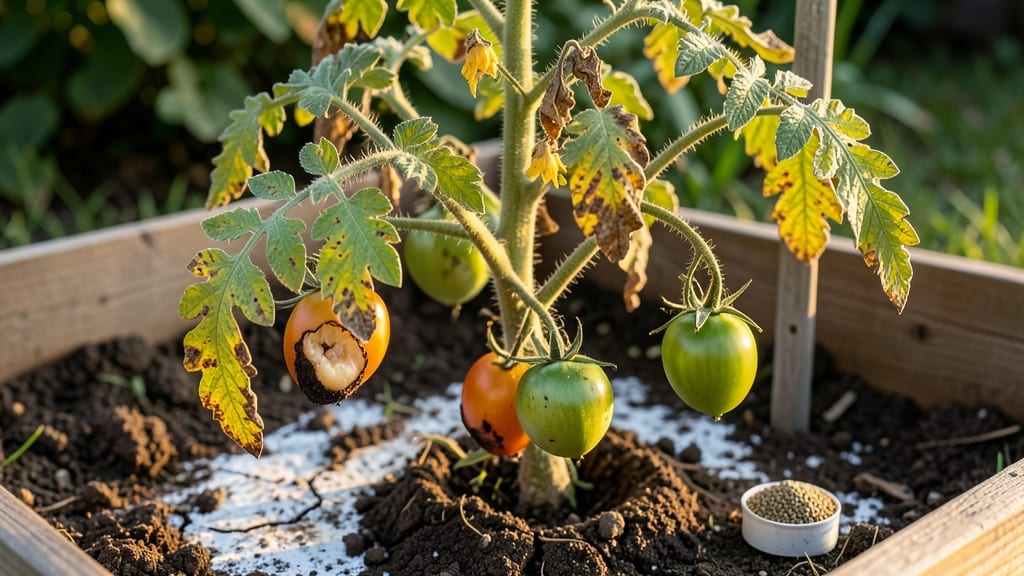
Your tomato plants wilting doesn't mean they're done for—it's often a fixable crisis. 🌱 I've seen plants bounce back from the brink with the right approach, and the key is acting fast while diagnosing the real cause.
Overwatering, pests, or even heat stress can all trigger that sad droop, but each has a different solution.
The first step is checking the soil: if it's bone-dry, you're underwatering; if it's soggy, you've got overwatering. Pests like aphids or fungal diseases can also drain plants quickly, leaving them limp.
My 3-stage revival method starts with immediate fixes—like adjusting watering or pruning damaged leaves—and moves to long-term prevention to keep your plants thriving.
Within 24-48 hours of proper care, you'll often see leaves perk up again. The real payoff comes when you prevent future wilting: mulching to retain moisture, choosing heat-tolerant varieties, and spacing plants for airflow. These changes turn a one-time scare into a productive harvest all season long.
Works for backyard gardens, containers, or even balcony setups—just adapt the fixes to your growing conditions. Let's get those plants standing tall again!
Root Causes Behind Drooping Tomatoes
When your tomato plants start wilting, it’s often a cry for help from their roots—or something blocking their life force. Understanding the why behind the droop is the first step to revival. Below, we break down the most common culprits, backed by science, so you can diagnose and act fast.
Tomatoes need moisture, but too much water suffocates roots by cutting off oxygen. When soil stays soggy, beneficial microbes die, and roots rot—a condition called anaerobic stress.
Even worse? Poor drainage traps excess water, creating a breeding ground for fungal diseases like Phytophthora, which clogs root cells and blocks nutrient uptake.
Science in action: Roots rely on oxygen diffusing through soil pores. Water fills those pores, and without airflow, roots suffocate in 24–48 hours. Look for yellowing leaves, mushy stems, or a foul smell at the base—classic signs of root rot.
Actionable fix:
- ✅ Test drainage: Dig a 6-inch hole, fill it with water, and time how long it takes to drain. If it’s slower than 4 hours, amend soil with perlite or sand.
- ✅ Water smarter: Use the "finger test"—stick your finger 2 inches deep. Water only if the soil feels dry. Drip irrigation (not overhead) keeps roots hydrated without drowning them.
- ✅ Raise beds: If your garden floods, elevate containers or mounds to improve airflow.
Tomatoes are tropical plants at heart—they thrive in 70–85°F (21–29°C) soil temps. When heat soars above 90°F (32°C) or drops below 50°F (10°C), roots struggle to absorb water efficiently.
High temps cause transpiration rates to outpace uptake, leading to wilting even in moist soil. Cold snaps? Roots slow down or freeze, halting nutrient flow entirely.
Science in action: Heat stress triggers abscisic acid (a plant hormone) to close stomata (pores), conserving water but causing wilting. Cold stress damages root cell membranes, reducing water absorption by up to 50%.
Actionable fix:
- ✅ Shade during heatwaves: Use row covers or shade cloth (30–50%) to keep soil temps below 85°F.
- ✅ Mulch like a pro: Apply 2–3 inches of straw or wood chips to insulate roots and retain moisture.
- ✅ Protect from frost: Cover plants with frost blankets or move potted tomatoes to a sheltered spot overnight.
- ✅ Water deeply in heat: Soak soil at dawn to reduce evaporation and give roots time to absorb water before the sun peaks.
Hidden beneath the soil, pests like root-knot nematodes, cutworms, or fungal pathogens (Fusarium, Verticillium) gnaw on roots, disrupting their ability to transport water and nutrients. Even aphids or spider mites on leaves can drain sap, causing systemic wilting.
Science in action: Nematodes inject toxins that trigger gall formation (lumpy roots), reducing surface area for water uptake by 30–70%. Fungal pathogens clog xylem vessels (the plant’s "straws"), blocking water flow entirely.
Actionable fix:
- ✅ Inspect roots: Gently dig around the base. Look for:
- ⚠️ Galls or knots (nematodes)
- ⚠️ Blackened, mushy roots (fungal rot)
- ⚠️ Chewed roots (cutworms or grubs)
- ✅ Rotate crops: Avoid planting tomatoes in the same spot for 3 years to break disease cycles.
- ✅ Use organic nematicides: Spray neem oil or apply marigold companion plants to repel nematodes.
- ✅ Encourage predators: Ladybugs and ground beetles eat soft-bodied pests—invite them with diverse garden plantings.
Wilting can also signal a hungry plant. Tomatoes are heavy feeders, and deficiencies in potassium (K), calcium (Ca), or magnesium (Mg) disrupt root function and water regulation. For example:
- Low potassium: Roots weaken, and stomata (leaf pores) close prematurely, causing wilting even with adequate water.
- Low calcium: Root tips die back (blossom-end rot’s cousin), reducing water absorption.
- Too much salt: Over-fertilizing or poor-quality water stresses roots, leading to osmotic shock (roots "starve" for water).
Science in action: Potassium activates enzymes that regulate water movement in roots. Calcium strengthens cell walls—without it, roots become leaky and prone to disease.
Actionable fix:
- ✅ Test your soil: Use a DIY kit or send a sample to a lab to check pH and nutrient levels. Tomatoes prefer pH 6.0–6.8.
- ✅ Fertilize smart:
- 💡 For potassium: Add wood ash or a balanced fertilizer (e.g., 5-10-10).
- 💡 For calcium: Sprinkle crushed eggshells or use calcium nitrate.
- 💡 For magnesium: Apply Epsom salt (1 tbsp/gallon of water) every 2 weeks.
- ✅ Flush the soil: If you suspect salt buildup, water heavily to leach excess minerals.
Heavy foot traffic, tilling too close to stems, or compacted soil crushes roots, restricting their ability to spread and absorb water. Even girdling roots (roots growing in circles around the stem) can strangle the plant, cutting off water transport.
Science in action: Compacted soil reduces pore space by 50%, limiting oxygen and water access. Roots grow shallow and weak, unable to anchor the plant during heat stress.
Actionable fix:
- ✅ Avoid walking on beds: Use mulch or boards to create paths.
- ✅ Loosen soil gently: Use a broadfork or hand trowel to aerate around roots (but don’t dig too deep—you’ll damage the root zone).
- ✅ Add organic matter: Mix in compost or coconut coir to improve soil structure over time.
- ✅ Check for girdling: Gently peel back mulch or soil to see if roots are circling the stem. If so, prune the excess with sterilized shears.
Pro tip: 🌡️ Wilting in the afternoon but recovery at night? Heat
Revive Your Tomato Plants Now
Wilting tomato plants don’t mean the end of your harvest—often, they’re just asking for a little help! Whether it’s thirst, stress, or disease, quick action can turn things around.
Below, we’ll break down practical fixes for the most common causes, plus prevention tips to keep your plants thriving. Let’s get those tomatoes perking up again! 🌱💧
Signs: Dry, crispy leaves, wilting even after watering, or soggy soil that smells foul.
How to Fix It
- 🔥 Check the Soil: Stick your finger 1-2 inches deep—if it’s bone-dry, water deeply. If it’s muddy, hold off and let it dry slightly.
- 🍳 Water Wisely: Give plants 1-2 inches of water per week (more in heatwaves).
Water at the base, not the leaves, to prevent disease. - 👨🍳 Improve Drainage: If your soil stays soggy, mix in compost or perlite to loosen it up.
Raised beds or containers help too! - ⏰ Consistency is Key: Tomato plants prefer steady moisture—mulch with straw or grass clippings to retain water and cool roots.
💡 Pro Tip: Use a moisture meter or the "squeeze test"—grab a handful of soil; if it crumbles easily, it’s dry. If it sticks together, it’s too wet.
Signs: Leaves curling upward, yellowing, or white patches (like sunburn).
How to Fix It
- 🌿 Provide Shade: If temps hit 90°F+, use shade cloth (30-50%) or temporary shade from a sheet during peak sun (10 AM–4 PM).
- 💦 Boost Hydration: Water early morning so leaves dry by evening.
Avoid evening watering—it invites fungal issues. - 🎯 Prune Strategically: Trim lower leaves to improve airflow and reduce shade on the fruit.
Focus on removing suckers (side shoots) to direct energy to tomatoes. - 🌡️ Cool the Roots: Lay down reflective mulch (like aluminum foil) or use light-colored containers to deflect heat.
✨ Prevention Hack: Plant tomatoes in late spring (after last frost) or choose heat-tolerant varieties like ‘Solar Fire’ or ‘Heatmaster.’
Signs: Wilting paired with chewed leaves, holes, or sticky residue (aphids, spider mites) or spots, mold, or wilting in patches (fungus/bacteria).
How to Fix It
| Problem | Solution |
|---|---|
| Aphids/Spider Mites | Spray with neem oil or soapy water (1 tsp mild soap + 1 quart water). Repeat every 3–5 days. |
| Fungal Blight | Remove infected leaves immediately. Apply copper fungicide or baking soda spray (1 tbsp baking soda + 1 quart water + a drop of soap). |
| Root Rot | Stop watering! Repot in fresh, dry soil with well-draining mix. Add mycorrhizal fungi to boost root health. |
| Viral Diseases | Isolate the plant—viruses spread fast. Remove severely infected plants to save others. |
💡 Pro Tip: Prevent pests with companion planting—try basil, marigolds, or nasturtiums near tomatoes to repel bugs.
Signs: Wilting that worsens over time, roots circling the pot, or stunted growth.
How to Fix It
- 🔪 Repot if Needed: If roots are crowded or growing out of drainage holes, move to a larger container (1–2 inches bigger in diameter).
- 🥘 Refresh the Soil: Mix in compost or aged manure for nutrients.
Avoid fresh manure—it can burn roots! - 🌿 Boost Nutrients: Feed with a balanced fertilizer (10-10-10) or tomato-specific feed every 2–3 weeks. Fish emulsion is a great organic option. - 🌡️ Check pH: Test soil pH—tomatoes thrive in 6.0–6.8.
Adjust with lime (to raise pH) or sulfur (to lower pH) if needed.
🎯 Prevention: Rotate crops—don’t plant tomatoes in the same spot yearly to avoid soil depletion.
Signs: Wilting right after transplanting, stems leaning, or blossoms dropping.
How to Fix It
- 💧 Water Deeply After Moving: Give plants a good drink right after transplanting to reduce shock.
- 🌿 Stake or Cage Early: Use tomato cages, stakes, or trellises to support weak stems. Prune suckers to focus energy on recovery.
- 🌡️ Shield from Wind: If outdoors, place plants sheltered from strong winds or use windbreaks.
- ⏰ Wait to Fertilize: Hold off on heavy feeding for 1–2 weeks post-transplant—roots need time to establish.
💡 Quick Fix: Trim 1/3 of the foliage before transplanting to reduce stress on the plant.
To keep your tomato plants strong and wilting-free: ✅ Water consistently (deep and early in the day). ✅ Mulch heavily to retain moisture and cool roots. ✅ Monitor pests daily—catch issues early! ✅ Rotate crops yearly to prevent soil-borne diseases. ✅ Choose disease-resistant varieties (look for labels like ‘VFN’ for virus/fungal/nematode resistance). ✅ Harvest regularly—overripe tomatoes stress the plant.
Remember: Even severely wilted tomatoes can bounce back with the right care. Start with water, shade, and inspection, and your plants will be back to producing juicy, vine-ripened tomatoes in no time! 🍅🌞
Frequently asked questions
Why do my tomato plants wilt in the afternoon but perk up at night?
This classic pattern usually signals heat stress. During hot afternoons, your plants lose water faster than roots can absorb it, causing wilting. Cool evening temps allow them to recover. Try providing afternoon shade with row covers or watering deeply in the early morning to help roots keep up with demand.
Can I save a tomato plant with completely mushy stems?
Unfortunately, mushy stems indicate advanced root rot from overwatering or fungal infection. While you can try repotting in fresh, dry soil with perlite, the plant may not recover. For future plants, always use containers with drainage holes and water only when the top 2 inches of soil feel dry.
How do I tell if wilting is from pests vs. water issues? Check the soil first—if it's dry, you're underwatering. If soggy, you're overwatering. For pests, look for:
- Sticky residue (aphids)
- Webbing (spider mites)
- Holes in leaves (cutworms)
If you see these signs, treat with neem oil or insecticidal soap immediately.
Will pruning help my wilting tomato plants recover? Yes—but only if you remove the right parts! Focus on:
- Lower leaves (improves airflow)
- Damaged or yellow leaves (reduces stress)
- Suckers (side shoots that drain energy)
Never prune more than 1/3 of the foliage at once—this helps the plant redirect energy to recovery.
How often should I fertilize wilting tomato plants?
Hold off on fertilization until you've addressed the wilting cause! Once recovered, use a balanced fertilizer (10-10-10) every 2-3 weeks during growing season. Over-fertilizing stressed plants can burn roots and make wilting worse. Start with compost instead for gentle nutrients.