
Companion Plants
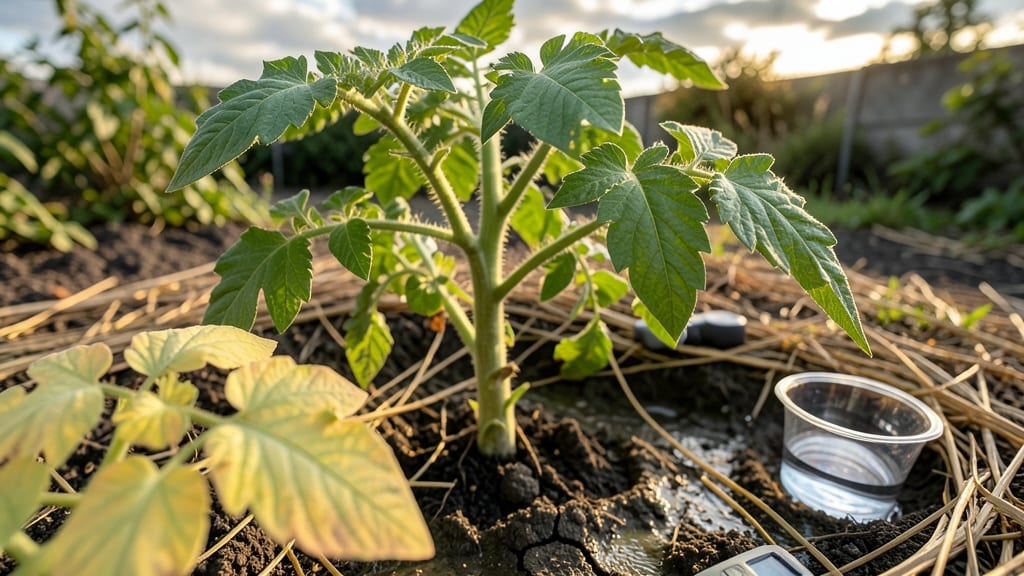
Your tomato plants turning yellow at the bottom isn’t just a cosmetic issue—it’s a cry for help from the roots. 🌱 I’ve seen this happen after heavy rains, overzealous watering, or even hidden soil compaction, and the good news is that fixing it is faster than you think.
The root of the problem (pun intended) is usually one of three things: too much water drowning the roots, a nutrient imbalance starving them, or soil that’s too dense for proper oxygen flow.
Most gardeners overwater when they see yellowing leaves, but that’s exactly what makes it worse—roots need air almost as much as water. Here’s the quick fix: cut back on watering immediately, fluff the soil around the base with a fork, and add a handful of compost to improve drainage.
Within a week, you’ll see new green growth pushing up from the bottom as the roots recover. The key is consistency—don’t let the soil stay soggy, but don’t let it dry out completely either. This works for both container-grown tomatoes and in-ground plants.
For extra insurance, mix in a slow-release fertilizer to give those roots the nutrients they need to bounce back stronger than ever.
Root Issues Behind Yellowing Leaves
When your tomato plants start showing yellowing at the bottom, the roots are often the first to send out an SOS. Understanding the why behind this common problem is key to saving your plants—and your harvest! Below, we break down the most likely culprits, backed by science and actionable insights.
Tomato roots thrive in well-drained soil, but when they’re waterlogged, they suffocate. Overwatering (or soil that doesn’t drain properly) leads to anaerobic conditions, where roots can’t absorb oxygen. Without oxygen, roots weaken, turn mushy, and struggle to transport nutrients—causing leaves to yellow, especially at the bottom.
🔍 How to spot it:
- Soil feels soggy even days after watering
- Yellowing starts at the oldest leaves (a classic sign of nutrient starvation)
- Stems may appear wilted or hollow
💡 Fix it:
- Let the top 1–2 inches of soil dry out before watering again
- Amend heavy clay soil with compost or perlite to improve drainage
- Ensure pots have drainage holes (or elevate containers to prevent pooling)
While overwatering is a villain, underdrainage (or nutrient-poor soil) can also trigger yellowing. Tomato plants are heavy feeders, and if the soil lacks essential nutrients like nitrogen, magnesium, or iron, the oldest leaves—those at the bottom—turn yellow first. This is because the plant prioritizes sending nutrients to new growth.
📊 Key deficiencies to check:
Nutrient
Symptoms
Quick Fix
Nitrogen (N)
Pale yellow leaves, stunted growth
Add blood meal or fish emulsion (high in N)
Magnesium (Mg)
Yellow patches between leaf veins (interveinal chlorosis)
Apply Epsom salt (1 tbsp per gallon of water, every 2 weeks)
Iron (Fe)
Bright yellow leaves with green veins (common in alkaline soil)
Use chelated iron or sulfur to lower soil pH
💡 Pro tip: Test your soil’s pH (aim for 6.0–6.8 for tomatoes). If it’s too high, mix in peat moss or pine needles to acidify naturally.
Fungal pathogens like Phytophthora or Pythium thrive in wet, compacted soil, causing root rot. Infected roots darken, decay, and can’t support the plant, leading to yellowing leaves. Unlike nutrient deficiencies, root rot often spreads quickly and can kill plants if untreated.
🔍 Signs of root rot:
- Black, mushy roots when gently pulled from soil
- Foul-smelling soil (like rotting onions)
- Wilting despite moist soil (the plant can’t absorb water)
🔥 Emergency action:
- Prune away all yellowed or wilted leaves to reduce stress
- Repot in fresh, sterile potting mix (avoid garden soil)
- Apply a fungicide (copper-based or biological like Trichoderma) to soil
- Water only at the base (avoid overhead sprinkling)
🌡️ Prevent future outbreaks: Space plants for airflow, avoid overhead watering, and rotate crops yearly.
Tomatoes are warm-season crops, and sudden temperature drops (below 50°F/10°C) or cold soil can shock the roots. Cold stress disrupts nutrient uptake, causing leaves to yellow, especially at the bottom. This is common in early spring or fall plantings.
🔍 How to tell:
- Yellowing appears suddenly after a cold snap
- Leaves may feel crispy or develop brown edges
- Growth slows dramatically
✨ Recovery steps:
- Move pots to a warmer, sheltered spot (like a greenhouse or south-facing wall)
- Use row covers or black plastic mulch to warm soil
- Avoid fertilizing until roots recover (wait 1–2 weeks)
💡 Long-term fix: Start seeds indoors 6–8 weeks before the last frost and transplant only when soil is at least 60°F/15°C.
Most yellowing at the bottom is fixable—act fast to diagnose the root cause (literally!) and give your tomatoes the care they need to bounce back. 🍅💪
Revive Your Tomatoes Fast
If your tomato plants are showing yellowing at the bottom, don’t panic—there’s always a way to turn things around! The key is pinpointing the root cause (literally) and taking action.
Below, we’ve mapped out practical fixes for each common issue, along with prevention tips to keep your plants thriving. Let’s get those leaves green again! 🌱💚
If your soil is soggy or waterlogged, roots suffocate and turn yellow. Here’s how to rescue your plants:
🚿 Step 1: Check the Soil Moisture
- Stick your finger 1-2 inches into the soil. If it’s damp (not bone-dry but not soggy), hold off on watering.
- Test for drainage: Fill a container with soil from your garden. Pour water in—if it drains within 10 minutes, your soil is fine. If it pools, you’ve got a drainage issue.
👨🍳 Step 2: Adjust Your Watering Routine
- Water deeply but less often. Aim for 1-1.5 inches per week (including rain). Let the top inch of soil dry out between waterings.
- Water at the base (not the leaves) to prevent fungal diseases that worsen yellowing.
🏗️ Step 3: Improve Drainage (If Needed)
- Raise beds or containers slightly to encourage runoff.
- Amend heavy clay soil with compost, perlite, or sand (50/50 mix) to loosen it.
- Add organic mulch (straw or shredded leaves) to retain moisture without smothering roots.
💡 Prevention Tip:
- Use pots with drainage holes if growing in containers. Elevate them on saucers or bricks.
- Avoid watering at dusk—wet leaves overnight invite blight.
Yellowing can also signal thirsty roots or heat exhaustion. Here’s how to hydrate and shield your plants:
💦 Step 1: Hydrate Immediately
- Give a slow, deep drink using a soaker hose or drip irrigation to encourage root growth.
- For container plants, submerge the pot in water for 10-15 minutes to let roots soak up moisture.
🌿 Step 2: Provide Shade (If Needed)
- If temps hit above 90°F (32°C), use shade cloth (30-50%) or move pots to a partially shaded spot.
- Mist leaves in extreme heat (early morning only) to cool them down.
🌱 Step 3: Boost Root Health
- Add compost tea (1:10 compost-to-water ratio) to the soil to feed beneficial microbes.
- Use a root stimulator (like seaweed extract) to encourage root regrowth.
🎯 Prevention Tip:
- Mulch heavily (3-4 inches) to retain moisture and regulate soil temp.
- Water in the early morning to reduce evaporation.
If yellowing is paired with dark spots, wilting, or a foul smell, fungi might be the culprit. Act fast!
🧼 Step 1: Prune Infected Areas
- Snip off yellowed or spotted leaves with sterilized scissors (wipe with rubbing alcohol).
- Remove and destroy (don’t compost!) severely infected plant debris.
🍄 Step 2: Apply Fungicide
- Copper fungicide (like Bonide Copper Fungicide) or neem oil spray (1 tbsp neem oil + 1 tsp mild soap per quart of water) can halt spread.
- Reapply every 7-10 days until new growth appears.
🌱 Step 3: Improve Airflow & Soil
- Space plants 18-24 inches apart to reduce humidity around leaves.
- Replace contaminated soil if root rot is severe—repot in fresh, sterile potting mix.
✨ Prevention Tip:
- Rotate crops—don’t plant tomatoes in the same spot yearly.
- Water at the base and avoid overhead sprinklers.
Yellowing can signal a lack of key nutrients. Test your soil and feed accordingly!
📊 Step 1: Test Your Soil
- Use a DIY soil test kit (available at garden centers) or send a sample to a local extension office.
- Common deficiencies causing yellowing:
- Nitrogen (bottom leaves yellow): Use blood meal or fish emulsion.
- Magnesium (yellow between veins): Sprinkle Epsom salt (1 tbsp per gallon of water) every 2 weeks.
- Iron (pale yellow, new leaves): Apply chelated iron or use compost tea.
🍽️ Step 2: Fertilize Smartly
- For nitrogen: Mix 1 tbsp organic fertilizer (like cottonseed meal) into the top 2 inches of soil.
- For magnesium/iron: Water plants with Epsom salt solution (1 tbsp per gallon) or kelp meal tea.
🌱 Step 3: Boost Soil Health
- Add worm castings (1 cup per plant) to improve nutrient absorption.
- Plant companion herbs like basil or marigolds nearby—they deter pests and enrich soil.
💡 Prevention Tip:
- Fertilize every 3-4 weeks during the growing season.
- Avoid over-fertilizing—too much salt can burn roots!
With these targeted fixes, your tomato plants should bounce back in 1-2 weeks. Keep an eye on them, adjust as needed, and soon you’ll be harvesting juicy, vibrant tomatoes instead of dealing with yellowing leaves! 🍅🌟
Frequently asked questions
Why do only the bottom leaves turn yellow first?
Tomato plants prioritize nutrients for new growth, so when they're stressed (from overwatering, nutrient deficiency, or disease), the oldest leaves at the bottom yellow first. Think of it like your body losing hair first on your head when you're sick—it's where the plant directs its limited resources.
Can I still save my tomato plant if half the leaves are yellow?
Yes! If the yellowing is recent and only the bottom leaves are affected, your plant can often recover with proper care. Focus on fixing the root cause (like adjusting watering or adding fertilizer) and prune only the most severely yellowed leaves. Most plants bounce back within 1-2 weeks with the right treatment.
How do I tell if my tomato plant needs water or fertilizer?
Check the soil first: if it's dry 1-2 inches down, water deeply. If the soil is moist but leaves are still yellow, it's likely a nutrient issue. For nitrogen deficiency (pale yellow), use blood meal. For magnesium (yellow between veins), try Epsom salt.
Will yellow leaves ever turn green again?
Mature yellow leaves won't revert to green, but new growth will emerge healthy if you address the underlying problem. Focus on keeping the plant healthy—it will naturally shed the old yellow leaves as it produces fresh ones. The key is stopping the spread to the rest of the plant.
Can I use coffee grounds to fix yellowing tomato leaves?
Coffee grounds can help slightly by improving soil acidity (tomatoes prefer 6.0-6.8 pH), but they're not a complete fix for yellowing. For best results, mix them with compost (1:3 ratio) and add to the soil. However, for nutrient deficiencies, targeted amendments like Epsom salt or fish emulsion work better.