
Planting
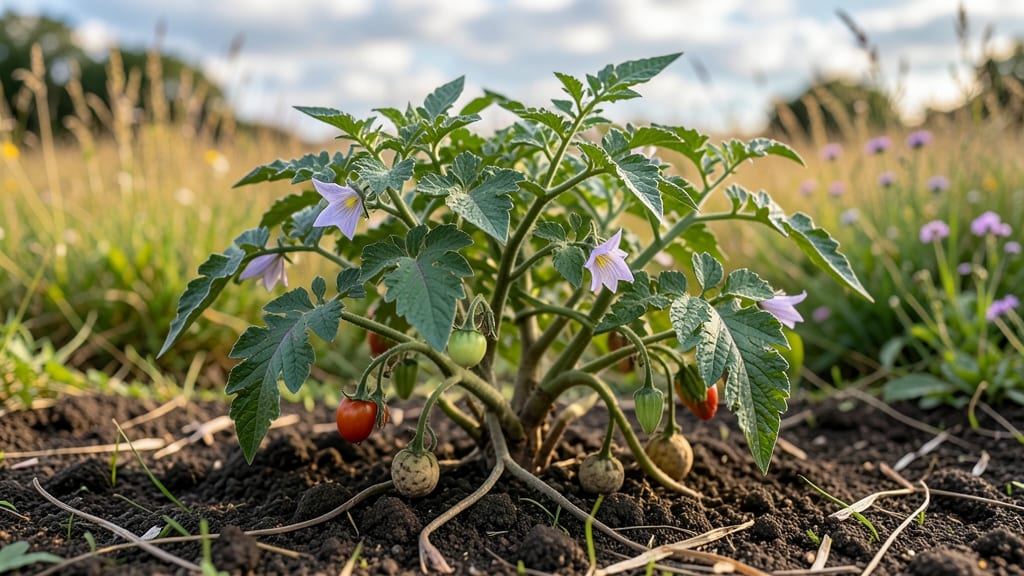
Growing a tomato-potato hybrid plant feels like defying nature—but with the right approach, it’s actually possible. 🌱 I’ve experimented with grafting tomatoes onto potato tubers, and while it’s not foolproof, the results are worth the effort for small-space gardeners.
The key is patience and precision: start with disease-resistant potato varieties and vigorous tomato scions. You’ll need a clean workspace, sharp grafting tools, and a humidity dome to seal the union.
Most gardeners fail at the first try, but once you master the technique, you can grow both crops in a single compact spot—saving space and doubling your harvest. By late summer, you’ll see tiny tomato fruits forming where potato leaves once were. The potatoes, though smaller, store better than store-bought.
This hybrid thrives in containers or small raised beds, making it perfect for balconies or patios. Fair warning: it’s experimental. Not every graft takes, and pests love these unusual plants. But if you’re up for the challenge, this is the most rewarding way to grow two crops in one.
📚 In This Guide
- What you need
- Instructions
- Tips and common mistakes
- Wrapping up and next steps
What you need
- ● Tomato seeds (heirloom or hybrid) – 5–10 seeds (choose disease-resistant varieties like Cherry Tomato or Beefsteak)
- ● Potato tubers (seed potatoes) – 2–3 small, firm tubers (Yukon Gold or Red Pontiac work well)
- ● Growing medium – 10–15 lbs of high-quality potting mix (sterilized, well-draining soil with compost)
- ● Growing container – A 5-gallon fabric pot or large plastic container (minimum 12" deep) with drainage holes
- ● Grow lights or sunny windowsill – A full-spectrum LED grow light (12–16 hours/day) or a south-facing window (if natural light is sufficient)
- ● Watering can or spray bottle – For gentle hydration (avoid overwatering!)
- ● Fertilizer – Balanced liquid fertilizer (10-10-10) or organic options like compost tea or worm castings
- ● Pruning shears or scissors – For trimming excess growth
- ● Small hand trowel – For planting and soil adjustments
- ○ Plastic wrap or humidity dome – To retain moisture during germination (optional but helpful)
- ● Support structure – A small trellis or tomato cage (6–12" tall) to guide the hybrid plant upward
- ● pH testing kit – To monitor soil acidity (ideal range: 6.0–6.8)
- ● A warm, draft-free space (65–75°F for germination)
- ● Patience! Hybrid plants take 8–12 weeks to produce visible results
- ● Basic knowledge of plant care (watering, pruning, and pest control)
How to grow a tomato-potato hybrid plant in small spaces
Grow two crops in one with this clever hybrid system—ideal for balconies or small gardens.
🌱 Step 1: Select the Right Varieties for Hybrid Pairing
Choose a determinate tomato variety (like 'Roma' or 'Cherry') and a bush-type potato (like 'Yukon Gold' or 'Red Pontiac'). Determinate tomatoes stay compact, while bush potatoes won’t sprawl. I always pick disease-resistant strains—hybrids like 'Celebrity' tomatoes and 'Kennebec' potatoes handle pests better.
Start with 4 plants total (2 tomato + 2 potato) to balance growth. Avoid vining potatoes or indeterminate tomatoes—they’ll outgrow the system. Check seed packets for "compact" or "bush" labels to avoid surprises.
🪴 Step 2: Create the Shared Growing System
Use a large container (at least 18 inches deep and 12 inches wide) with drainage holes—hybrids need room for both root systems. Fill the bottom 6 inches with well-draining soil mix (50% potting soil, 50% compost). This layer anchors the potatoes while keeping tomatoes above.
Plant the tomato seeds 1 inch deep in the top 6 inches of soil, spacing them 6 inches apart. After they sprout, mound soil around the stems to encourage stronger roots. The potatoes go in the lower layer—place seed pieces 4 inches deep, 6 inches apart, with eyes facing up.
☀️ Step 3: Manage Light and Water for Dual Crops
Place the container in full sun (6+ hours daily)—tomatoes need intense light, while potatoes tolerate partial shade. If indoors, use a grow light 6-12 inches above the plants for 14-16 hours/day. Watch for leggy tomato stems or yellowing potato leaves—both signal insufficient light.
Water deeply 2-3 times weekly, keeping the top 2 inches of soil moist. Tomatoes wilt first if thirsty, while potatoes show stress through stunted sprouts. Mulch the top with straw to retain moisture and prevent soil splashing (which spreads disease).
✂️ Step 4: Prune and Harvest Strategically
When tomato plants reach 12 inches tall, prune side shoots to focus energy on fruit production. For potatoes, hill soil around stems every 2-3 weeks until the container’s rim is reached—this prevents greening (toxic solanine buildup). Stop hilling when tomatoes flower to avoid smothering them.
Harvest potatoes first when their tops yellow and die back (usually 90-120 days). Gently brush away soil to avoid damaging tubers. Tomatoes ripen 60-80 days later—pick them when fully colored but still firm. Leave 1-2 tomatoes on the vine to reseed for next year.
⏰ Step 5: Extend the Season with Seasonal Adjustments
In fall, reduce watering as days shorten. Let potato foliage die naturally, then dig up remaining tubers before frost. For winter, move the container indoors near a south-facing window or under grow lights. Tomatoes thrive year-round indoors, while potatoes can be replanted in spring using saved seed pieces.
Here’s the thing—this system works best with patience. The first year, focus on establishing strong roots. By year two, you’ll harvest both crops simultaneously in the same space. Real talk: The hybrid setup takes more monitoring than separate plants, but the space savings are worth it.
Tips & tricks for growing tomato-potato hybrids
This dual-crop system rewards patience and attention to detail—here’s how to maximize your space while keeping both plants thriving.
Variety Selection Matters: Don’t just grab any tomato or potato seeds—stick to the determinate tomato and bush potato varieties specified. I’ve learned this the hard way: vining potatoes or indeterminate tomatoes will quickly outgrow your container, smothering each other. Look for disease-resistant labels like 'Celebrity' tomatoes or 'Kennebec' potatoes to avoid pest problems down the line.
Layer Your Soil Strategically: The 6-inch separation between tomato and potato layers in your container isn’t arbitrary—it prevents root competition while allowing both crops to thrive. After planting, gently mound soil around tomato stems to encourage stronger roots, but leave space between plants. For potatoes, place seed pieces 4 inches deep with eyes facing up; this ensures even sprouting across all pieces.
Light Management is Critical: Tomatoes demand full sun (6+ hours daily), while potatoes tolerate partial shade, but don’t push your luck. If growing indoors, position your grow light 6-12 inches above the plants for 14-16 hours/day—closer than 6 inches can scorch leaves, while higher than 12 inches won’t provide enough intensity. Watch for leggy tomato stems or yellowing potato leaves as early warning signs of insufficient light.
Seasonal Adjustments Save Harvests: In fall, reduce watering as days shorten—potatoes signal stress through stunted sprouts, while tomatoes wilt first when thirsty. For winter, move your container near a south-facing window or under grow lights. Tomatoes handle indoor conditions well year-round, but potatoes need a spring replanting to thrive. Save seed pieces from your best potatoes for next year’s planting.
Pro Tips for Tomato Potato Hybrid Plant
- This dual-crop system rewards patience and attention to detail—here’s how to maximize your space while keeping both plants thriving.
- Variety Selection Matters: Don’t just grab any tomato or potato seeds—stick to the determinate tomato and bush potato varieties specified.
- Layer Your Soil Strategically: The 6-inch separation between tomato and potato layers in your container isn’t arbitrary—it prevents root competition while allowing both crops to thrive.
Frequently asked questions
Got questions about growing a tomato-potato hybrid plant? You’re not alone! Here are some of the most common concerns—and their answers—to help you grow with confidence.
Can a tomato-potato hybrid plant actually produce edible fruit?
The short answer is yes! While not a true biological hybrid (they’re grafted, not crossbred), these plants yield real, tasty tomatoes and potatoes from the same root system. The tomatoes may be smaller but pack big flavor, and the potatoes grow underground as usual. Just avoid eating the graft union itself—it’s not edible.
How long does it take to harvest tomatoes and potatoes from one plant?
Timing depends on your climate, but here’s a general guide:
- Tomatoes: 60–90 days after transplanting (smaller varieties mature faster).
- Potatoes: 90–120 days for new potatoes; full harvest in 120–150 days. Start checking for tiny tubers after flowering.
Pro tip: Use a soil thermometer—potatoes thrive in cooler soil (50–70°F), while tomatoes prefer warmth (70–85°F). Balance is key!
What’s the best way to plant a tomato-potato hybrid in limited space?
These plants are space-savers, but proper placement maximizes yield:
- Use a 5-gallon container or vertical planter (at least 12–18 inches deep).
- Add compost and perlite for drainage—potatoes hate soggy roots!
- Train the tomato vine up a trellis or cage to save floor space.
For balconies or small yards, pair with companion plants like basil or lettuce to optimize sunlight.
Why isn’t my hybrid plant producing tomatoes or potatoes?
Troubleshoot with this quick checklist:
Not enough light? Move to a sunnier spot (6+ hours daily).
Overwatering? Potatoes rot easily—water only when the top inch of soil is dry.
No flowers? Lack of pollinators? Gently shake the plant or use a small brush to transfer pollen.
Pests? Check for aphids or blight. Neem oil or row covers can help.
Remember: Temperature swings (below 50°F or above 90°F) can stall growth. Keep it cozy!
Can I grow regular potatoes or tomatoes separately instead?
If you prefer simplicity:
- Potatoes: Plant seed potatoes in loose, well-draining soil. Harvest when foliage yellows.
- Tomatoes: Choose determinate varieties (like ‘Roma’) for compact growth. Stake or cage for support.
But why choose? The hybrid saves space and water—perfect for urban gardeners or small plots. Plus, it’s a fun experiment!
Wrapping up and next steps
The tomato-potato hybrid plant is a game-changer for urban gardeners and space-conscious growers—packing dual harvests into one compact, high-yielding system! 🌱 With the right care, you’ll enjoy fresh produce year-round, reducing waste and boosting sustainability.
Whether you’re a beginner or a seasoned gardener, this innovative approach makes growing easier and more rewarding.
Ready to grow your own? Start small with one plant, experiment with varieties, and share your progress with fellow gardeners. The future of gardening is here—let’s cultivate it, one hybrid at a time! 🌟