
Vegetables
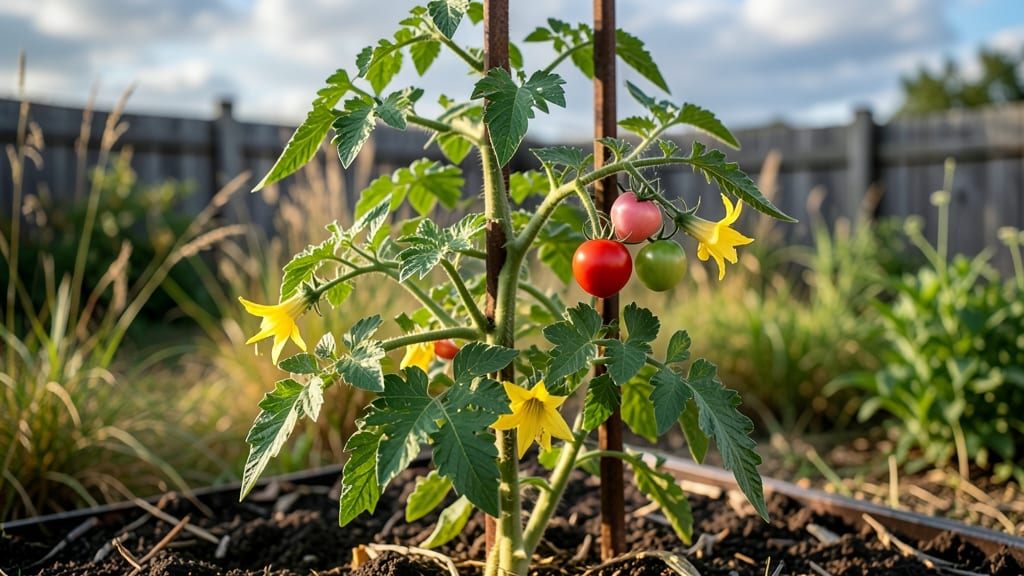
When the tomato purple leaf disorder strikes your plants, it’s not just a cosmetic problem—it’s a cry for help from your tomatoes. 🌱 I’ve seen this happen after a heatwave, overwatering, or even a hidden nutrient deficiency, and I’ll show you how to diagnose and fix it in 3 simple steps without losing your harvest.
The purple edges usually mean your tomatoes are struggling with phosphorus or potassium shortages, environmental stress, or even a viral infection. Most gardeners panic and over-fertilize, but that often makes it worse.
The key is identifying the exact cause—check the undersides of leaves for pests, test your soil pH, and look for other stress signs like yellowing or curling.
Once you pinpoint the issue, the fixes are straightforward: balanced fertilizer, proper watering, and shade cloth for extreme heat. I’ve revived plants with purple edges just by adjusting my watering schedule—no fancy products needed.
The goal is to get those leaves back to a healthy green in 7-10 days with consistent care.
If the problem spreads to new growth or the stems start dying, it might be viral—like tomato mosaic—and that’s when you’ll need to call in a local extension service. But for most cases, these steps work like a charm, even for beginners. Let’s get your tomatoes back on track!
Root Causes Of Purple Leaves
When your tomato plants start showing unusual purple or reddish hues on their leaves—especially along the veins or edges—it’s often a cry for help from the plant itself. This isn’t just a cosmetic issue; it’s a sign that something fundamental is off.
Understanding the why behind these color changes is the first step to restoring your tomatoes to their vibrant, healthy green. Let’s break down the most common culprits, backed by science, so you can diagnose and fix the problem fast.
Tomatoes are heavy feeders, and when they don’t get the right nutrients, their leaves turn purple as a distress signal. The two most common deficiencies behind this disorder are:
- Phosphorus Shortage:
Phosphorus is crucial for energy transfer in plants, and a deficiency often causes purple or reddish pigmentation, especially on the undersides of leaves or along the midribs. This nutrient is highly mobile in the plant, so symptoms appear in older leaves first—a classic sign of phosphorus starvation.
- Why it happens: Poor soil testing, over-reliance on nitrogen-heavy fertilizers (like fresh manure), or leaching in sandy soils.
- Actionable fix: Apply a balanced fertilizer (look for a 5-10-10 or 10-20-20 ratio) or use bone meal, which is rich in phosphorus. Side-dress your plants with a phosphorus boost mid-season if growth stalls.
- Potassium Deficiency:
Potassium regulates water balance and disease resistance. When levels drop, leaves may develop purple margins or interveinal discoloration, often paired with weak stems or yellowing between veins. Unlike phosphorus, potassium deficiency symptoms start on newer leaves because it’s immobile in the plant.
- Why it happens: Excessive nitrogen, poor soil structure (clay or compacted soil), or leaching from overwatering.
- Actionable fix: Use a potassium sulfate or wood ash (sparingly) to raise levels. Avoid over-fertilizing with potassium—too much can lock out magnesium, worsening the issue.
Pro Tip: 💡 Test your soil before reacting—over-fertilizing can do more harm than good. A simple home test kit (or lab analysis) will tell you exactly what’s missing.
Tomatoes are thirsty but finicky—they hate soggy roots or drying out. Water stress triggers purple leaves by disrupting nutrient uptake and causing oxidative damage. Here’s how:
- Drought Stress:
When roots can’t absorb enough water, the plant struggles to transport nutrients like phosphorus and potassium. This leads to purple tinges, especially in hot weather or on container-grown tomatoes (which dry out faster).
- Why it happens: Infrequent watering, shallow root systems, or high temperatures increasing evaporation.
- Actionable fix: Water deeply 1–2 inches per week (check with your finger—soil should be moist but not waterlogged). Mulch heavily to retain moisture and cool roots.
- Overwatering or Poor Drainage:
Waterlogged soil cuts off oxygen to roots, forcing them to work harder. This reduces nutrient absorption, leading to purple leaves paired with yellowing or wilting. Root rot can also release toxins that trigger stress responses.
- Why it happens: Heavy clay soil, containers without drainage holes, or inconsistent watering (e.g., daily light sprinkles).
- Actionable fix: Amend soil with compost or perlite to improve drainage. Water only when the top inch is dry—never on a schedule. If roots are already rotting, prune affected areas and repot in fresh soil.
Pro Tip: 🌡️ Monitor soil temperature—purple leaves can also signal cold stress. If soil temps drop below 50°F (10°C), roots slow down, mimicking nutrient deficiencies.
Tomatoes thrive in warmth and consistent light. When conditions swing too extreme—whether too hot, too cold, or uneven—leaves may turn purple as a survival mechanism.
- Cold Stress:
Temperatures below 50°F (10°C) disrupt nutrient uptake, especially phosphorus and potassium. Purple leaves often appear overnight after a cold snap, paired with stunted growth.
- Why it happens: Early planting, late-season chills, or nighttime temps dropping suddenly.
- Actionable fix: Use row covers or cold frames for young plants. Avoid fertilizing until soil warms—cool roots can’t process nutrients well.
- Heat Stress:
While tomatoes love warmth, consistent temps above 90°F (32°C) can cause purple leaves due to nutrient lockout (soil becomes too hot for roots to absorb water/nutrients) or sun scorch.
- Why it happens: Lack of shade, poor airflow, or reflective surfaces (like white walls) amplifying heat.
- Actionable fix: Provide afternoon shade with shade cloth. Water deeply in the morning to cool roots. Mulch with straw to insulate soil.
- Uneven Light Exposure:
Purple leaves can also signal light starvation—when parts of the plant aren’t getting enough sun. This is common in container tomatoes or plants near obstructions.
- Why it happens: Overcrowding, tall plants shading lower leaves, or placement in low-light areas.
- Actionable fix: Prune lower leaves to improve airflow and light penetration. Rotate containers weekly to ensure even exposure.
Pro Tip: ✨ Watch for “sunburn” purple—leaves with crispy edges or bleached spots are reacting to too much direct light. Gradually acclimate young plants to full sun over 7–10 days.
While nutrient issues are the most common cause, diseases and pests can also trigger purple discoloration by damaging roots, leaves, or the plant’s ability to photosynthesize.
- Fungal Infections (e.g., Verticillium or Fusarium Wilt):
These soil-borne fungi clog the plant’s vascular system, restricting water and nutrient flow. Purple leaves paired with yellowing, wilting, or stunted growth are classic signs.
- Why it happens: Infected soil, poor rotation practices, or overwatering.
- Actionable fix: Remove infected plants immediately to prevent spread. Solarize soil (cover with clear plastic for 4–6 weeks) or plant resistant varieties (e.g., ‘Mountain Merit’ for w
Fix Purple Leaves in Your Tomatoes
If your tomato plants are showing purple-tinged leaves, don’t panic—this is often a fixable issue! The key is identifying the root cause and taking targeted action. Below, we’ve broken down practical solutions for the most common triggers, from nutrient imbalances to environmental stressors. Follow these steps to restore your plants to vibrant, productive health.
Purple leaves often signal a lack of key nutrients. Here’s how to correct them:
🔥 Boost Phosphorus for Strong Roots & Flowers
Purple hues on older leaves or stems? Your plants are likely phosphorus-deficient.
- Apply a balanced fertilizer (look for a 10-10-10 or 5-10-10 NPK ratio) around the base of the plant.
- Use bone meal (1–2 tbsp per plant) for a slow-release phosphorus boost.
- Compost tea can also help—brew it and water the soil thoroughly.
Pro tip: 💡 Avoid over-fertilizing with nitrogen-heavy feeds (like fresh manure), as this can worsen the issue.
🍳 Add Potassium for Leaf Health
Yellowing with purple edges? Potassium deficiency (often called "marginal scorch") is likely.
- Use a banana peel tea: Chop 2–3 peels, steep in water for 24 hours, and water the plants.
- Apply wood ash (½ cup per plant) around the base—it’s rich in potassium.
- Try a liquid seaweed fertilizer (like kelp extract) for a quick fix.
Pro tip: 🌡️ Test your soil first—if pH is too high (>7.0), potassium uptake drops. Adjust with sulfur or peat moss.
👨🍳 Balance Nitrogen for Overall Growth
Purple leaves on new growth? Your plants may need more nitrogen.
- Add compost (2–3 inches mixed into the topsoil).
- Use a fish emulsion (diluted to 1 tbsp per gallon of water) as a foliar spray.
- Avoid over-pruning, as this stresses plants and reduces nitrogen absorption.
Pro tip: ✨ Split applications—feed every 2–3 weeks for steady growth without burning roots.
Sometimes, purple leaves aren’t about nutrients—they’re a cry for better conditions.
💧 Fix Watering Woes (Too Much or Too Little)
Uneven watering can cause purple discoloration, especially in container-grown tomatoes.
- Water deeply but infrequently: Aim for 1–2 inches per week (check soil moisture 2 inches down).
- Use mulch (straw or shredded leaves) to retain moisture and prevent swings.
- Avoid wetting leaves (especially at night) to prevent fungal issues that mimic nutrient stress.
Pro tip: 🎯 Drip irrigation or soaker hoses deliver water directly to roots, reducing waste and stress.
🌡️ Shield from Extreme Heat or Cold
Purple leaves can appear when tomatoes are shocked by temperature swings.
- Provide shade cloth (30–50%) if temps exceed 90°F (32°C).
- Move potted plants to a sheltered spot if night temps drop below 50°F (10°C).
- Use row covers for early-season protection against cold snaps.
Pro tip: 🔥 Monitor your microclimate—tomatoes thrive in 70–85°F (21–29°C) during the day.
☀️ Optimize Sunlight Exposure
Too much sun can scorch leaves, while too little weakens plants.
- Ensure 6–8 hours of direct sunlight daily (south-facing spots are ideal in the Northern Hemisphere).
- Rotate pots weekly if growing in containers to prevent uneven sun exposure.
- Avoid reflective surfaces (like white walls) that can amplify heat stress.
While rare, pests or pathogens can mimic purple leaf disorder. Act fast if you spot:
- Spider mites or aphids: Yellowing + purple stippling = likely pests. Spray with neem oil or insecticidal soap.
- Fungal infections (like early blight): Purple-brown spots with yellow halos. Prune affected leaves and apply copper fungicide.
- Viral issues: Crinkled, purple leaves with stunted growth. Remove infected plants immediately to prevent spread.
Pro tip: 🛡️ Inspect undersides of leaves weekly—early detection is key!
Once your tomatoes bounce back, keep these habits to avoid recurrence:
- Test soil annually (aim for pH 6.0–6.8 for tomatoes).
- Rotate crops to prevent nutrient depletion in the same spot.
- Use slow-release fertilizers (like osmocote) for steady nutrition.
- Monitor weather forecasts and protect plants from sudden changes.
- Prune regularly to improve airflow and reduce stress.
With these targeted fixes, your tomato plants should regain their rich green color in 2–4 weeks. Keep an eye on their progress, and soon you’ll be enjoying juicy, homegrown tomatoes instead of purple-leafed puzzles! 🍅✨
Frequently asked questions
Can I still harvest tomatoes if the leaves are purple?
Yes, you can still harvest tomatoes even with purple leaves! The fruit quality usually isn't affected by leaf discoloration. Focus on fixing the underlying issue (nutrient deficiency, water stress, etc.) to prevent further problems. Purple leaves primarily indicate stress, not fruit contamination.
How quickly should I expect to see improvement after fixing the problem?
With proper care, you should notice improvement in 7-14 days. New growth should return to healthy green within 2-3 weeks if you've corrected the root cause. For severe cases (like fungal infections), recovery may take longer. Monitor your plants daily and adjust treatments as needed.
Is tomato purple leaf disorder contagious to other plants?
Not usually. Purple leaves are typically a symptom of environmental stress or nutrient issues, not a contagious disease. However, if the problem is caused by fungal infections (like Verticillium wilt) or viral diseases (like tomato mosaic), these CAN spread to other plants. Always quarantine affected plants and sterilize tools to be safe.
What's the difference between purple leaves from nutrient issues vs. disease?
Nutrient deficiencies (like phosphorus or potassium shortage) cause even purple discoloration on leaf edges or between veins, often paired with stunted growth. Disease-related purple leaves typically show irregular spots, yellowing, or wilting along with the purple. Check for other symptoms: leaf curling or stems with dark streaks suggest disease rather than nutrient issues.
Can I prevent purple leaves in my tomato plants next season?
Start with a soil test and amend based on results. Use balanced, slow-release fertilizers (like 10-10-10) and maintain consistent watering. Mulch heavily to regulate soil temperature and moisture. Choose disease-resistant varieties and rotate crops annually to prevent nutrient depletion. These preventative steps create ideal growing conditions that minimize stress.