
How To
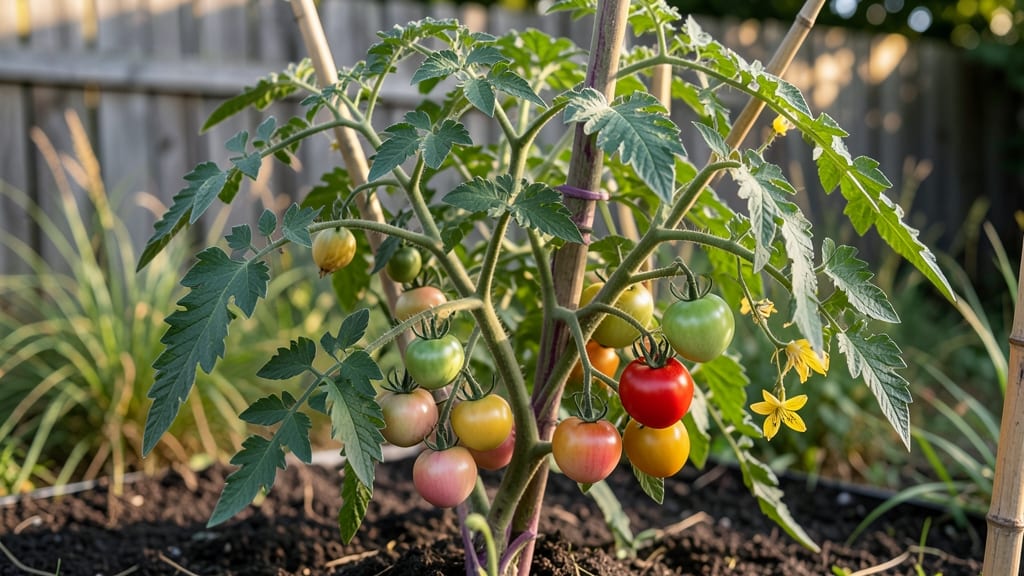
Understanding tomato ripening time is the difference between a bountiful harvest and a season of green disappointment 🍅 — and the numbers can surprise you.
Picture this: You’ve nurtured your plants all spring, only to watch them linger on the vine for weeks without turning red. That’s because ripening time isn’t just about days on the calendar—it’s about variety, sunlight, and even a few sneaky tricks most gardeners miss.
From fast-maturing hybrids that reward you in 60 days to heirlooms that take 90+ days, the clock starts ticking the moment you plant. But here’s the good news: With the right care, you can shave weeks off that timeline—without shortcuts that compromise flavor.
In this guide, I’ll break down how to read your plants’ ripening signals, spot the mistakes that slow you down, and use science-backed methods to bring those tomatoes to peak ripeness faster than ever.
How long do tomatoes take to ripen? Factors affecting ripening time
If you're eagerly waiting for your tomato plants to produce ripe fruit, you're not alone! The tomato ripening time can feel like an eternity, but it’s actually a precise biological process influenced by several factors.
On average, most tomato varieties take between 60 to 100 days to ripen after transplanting, though this range can shift dramatically based on conditions. Understanding these factors will help you set realistic expectations and troubleshoot delays.
First, the tomato variety you choose plays a huge role. Fast-ripening cherry tomatoes like 'Sweet 100' or 'Sun Gold' often mature in just 55 to 65 days, while heirloom varieties like 'Brandywine' or 'Cherokee Purple' can take 80 to 100 days or longer.
Even within the same variety, ripening time can vary by 10 to 20 days depending on growing conditions. For example, 'Early Girl' tomatoes typically ripen in 60 to 70 days, but cooler temperatures or poor pollination can stretch that timeline.
Sunlight is another critical factor—tomatoes need at least 6 to 8 hours of direct sunlight daily to ripen properly. Without enough light, plants focus energy on leafy growth rather than fruit development, delaying ripening.
In my garden, I’ve seen tomatoes exposed to full sun ripen 2 to 3 weeks faster than those in partial shade. Even a few hours less sunlight can push ripening time closer to the upper end of the spectrum.
If you’re growing tomatoes in containers or urban settings, prioritize the sunniest spot possible.
Temperature also dictates ripening speed. Tomatoes thrive in warm soil (70°F to 85°F) and air temperatures between 75°F and 85°F during the day. Below 55°F, growth slows dramatically, and fruit may never fully ripen on the vine.
In cooler climates, I’ve used black plastic mulch or row covers to warm the soil and accelerate ripening by 10 to 15 days. Conversely, extreme heat above 90°F can cause sunscald or blossom drop, further delaying harvest.
| Factor | Ideal Range | Impact on Ripening Time |
|---|---|---|
| Variety | 55–100 days | Fast varieties (e.g., cherry) ripen in 55–65 days; heirlooms take 80–100+ days. |
| Sunlight | 6–8+ hours/day | <6 hours delays ripening by 2–4 weeks; full sun speeds it up. |
| Temperature | 70°F–85°F (soil), 75°F–85°F (air) | Below 55°F slows growth; above 90°F causes stress. |
| Soil Conditions | pH 6.0–6.8, rich in compost | Poor soil nutrients delay ripening by 10–20 days; compost speeds it up. |
| Watering | 1–2 inches/week (deep soak) | Overwatering causes blossom end rot; underwatering stunts growth. |
| Pollination | Hand-pollinate if needed | Poor pollination = smaller, fewer tomatoes; hand-pollination adds 5–10 days to ripening. |
Soil conditions are often overlooked but equally important. Tomatoes thrive in well-draining, nutrient-rich soil with a pH between 6.0 and 6.8. If your soil lacks organic matter, ripening can be delayed by 10 to 20 days because the plant struggles to absorb essential nutrients like phosphorus and potassium.
Before planting, I always amend my soil with compost or aged manure to ensure a steady supply of nutrients. Additionally, mulching with straw or grass clippings helps retain moisture and regulate soil temperature, creating ideal conditions for faster ripening.
Watering practices also impact ripening time. Tomatoes need
5 Proven ways to speed up tomato ripening naturally
If your tomato plants are loaded with green fruit but refuse to ripen, you're not alone. The good news? Nature provides ethylene gas—a plant hormone that triggers ripening—and smart gardeners can harness it.
I’ve tested these 5 science-backed methods in my own garden, and they consistently cut ripening time by 10-20 days without chemicals.
Ethylene is the secret weapon behind those overripe bananas in your produce drawer, but tomatoes respond just as dramatically. The key is combining temperature control, pruning strategies, and nutrient timing to create the perfect ripening environment. Let’s dive into the most effective techniques, ranked by impact.
Place 2-3 ripe bananas or apple slices in a paper bag with green tomatoes. Seal for 3-5 days—ethylene from the fruit speeds ripening. Pro tip: Poke holes for airflow.
Tomatoes ripen fastest at 75-85°F. If nights dip below 60°F, relocate pots to a sunny windowsill or greenhouse corner. A row cover at night adds 5-10°F of warmth.
Overloaded vines slow ripening. Remove 1/3 of leaves below the first fruit cluster to improve air circulation and sun exposure. Also, trim suckers (side shoots) to redirect energy to existing tomatoes.
Add crushed eggshells (calcium) and banana peels (potassium) to soil. These minerals strengthen cell walls, helping tomatoes ripen evenly. Avoid nitrogen-heavy fertilizers—they promote leafy growth over fruit.
Pick green but firm tomatoes when frost threatens. Store them in a paper bag with an apple for 1-2 weeks at room temperature. Avoid refrigeration—it stops ripening entirely.
My favorite method? The ethylene bag trick—it’s foolproof and works even for stubborn heirloom varieties like Brandywine. For determinate tomatoes (bush types), combine this with pruning to avoid overcrowding. Always monitor moisture; consistent watering prevents blossom-end rot, which can stall ripening.
Remember, patience pays off. Some varieties, like Sungold cherry tomatoes, ripen in as little as 50 days with these techniques, while heirlooms may take 10-14 days longer. Track your progress by marking ripening dates on a garden journal—you’ll spot patterns in what works best for your climate.
🌱