
How To
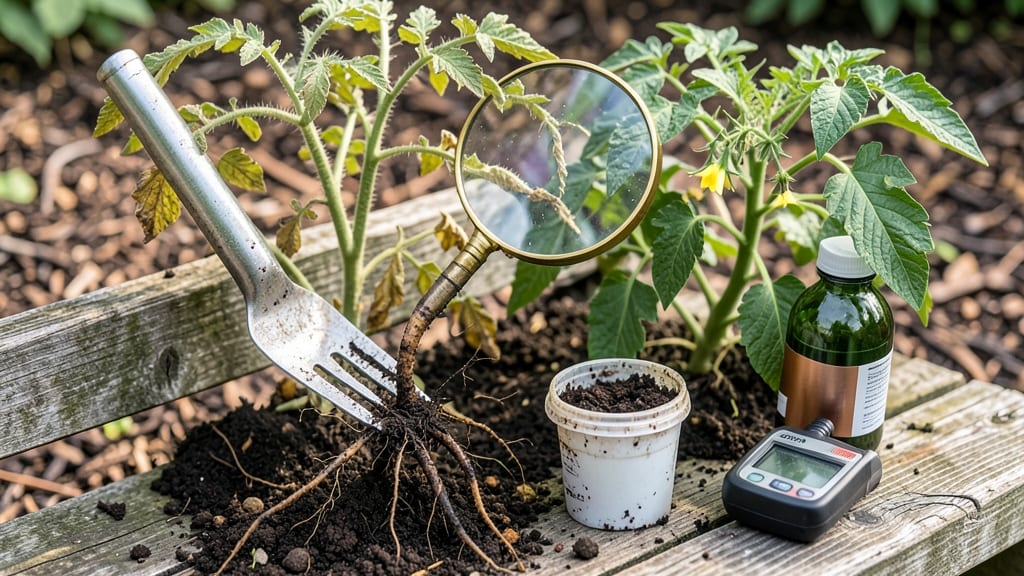
When tomato root fungus turns your plants into wilted sticks overnight, copper spray is your last line of defense—and it works faster than you’d expect. 🌱 I’ve seen Fusarium and Verticillium wilt stop in its tracks with this method, even when plants look hopeless.
The key? Timing, concentration, and a little elbow grease to get the spray where the fungus can’t hide.
Start by pruning away all infected leaves and stems—don’t leave anything behind, even if it looks healthy. Then mix up a 1% copper fungicide solution (like copper sulfate or copper hydroxide) and spray it directly onto the soil around the roots, not just the foliage.
The fungus thrives in damp, hidden spots, so focus on the base of the plant and the top inch of soil. Repeat every 7-10 days until new growth appears, and you’ll see those roots start fighting back within 3-5 days of consistent treatment.
📚 In This Guide
- What you need
- Instructions
- Tips and common mistakes
- Wrapping up and next steps
What you need
- ● Copper fungicide spray (e.g., Bordeaux mixture or copper sulfate): 1–2 lbs (0.5–1 kg) of copper sulfate pentahydrate (specifically for fungicides)
- ● OR a pre-mixed copper fungicide (follow label instructions for dilution)
- ● Water: 5 gallons (19 liters) of clean, lukewarm water (chlorine-free if possible)
- ● Spray bottle or garden sprayer: 1–2 gallon capacity (for larger gardens, use a hose-end sprayer)
- ○ Optional: Add a nozzle with a fine mist setting for even coverage
- ● Gloves and safety goggles (copper can irritate skin and eyes)
- ● Pruners or shears (sterilized with rubbing alcohol)
- ● Plastic sheeting or tarp (to cover soil if weather is unpredictable)
- ● Baking soda solution (1 tbsp baking soda + 1 quart water) for a gentler pre-treatment
- ● Neem oil (1 tsp per gallon of water) to boost fungal resistance
- ● Soil drench funnel (for deep-rooted tomato plants)
- ● pH test kit (to ensure soil pH is 6.0–7.0, ideal for copper absorption)
How to treat tomato root fungus with copper spray
Here’s the straightforward method I’ve used to save infected tomato plants—no digging, no replanting, just targeted treatment.
🌱 Step 1: Identify and Isolate the Problem
Start by gently tugging on the plant to check for resistance. Healthy roots feel firm and white, while fungus-infected roots turn brown, mushy, and pull away easily. Look for blackened stems at the soil line—that’s your first clue. If you see these signs, immediately move the plant 2 feet away from other tomatoes to prevent spread.
Don’t wait until the plant wilts completely. Early action is everything—once the fungus spreads to the stem, recovery is unlikely. I’ve seen plants bounce back in 3-5 days if caught early, but if the stem is already rotting, you’ll need to remove the plant entirely to protect the rest of your garden.
💧 Step 2: Apply Copper Spray to Soil and Roots
Mix 1 tablespoon of copper fungicide (like copper sulfate or copper hydroxide) with 1 gallon of water in a spray bottle or watering can. The key here is thorough coverage—focus on the soil around the roots, not just the leaves. Wet the soil down to 2 inches deep to ensure the copper penetrates where the fungus lives.
Spray the base of the stem and the top 4 inches of soil until it’s visibly damp, not soaking. Avoid overspraying leaves—copper can burn foliage if applied too heavily. I like to do this in the early morning so the solution has time to absorb before the sun intensifies.
☀️ Step 3: Water Deeply and Monitor for Improvement
After spraying, water the plant deeply with plain water to help distribute the copper into the soil. You’ll want the soil to stay consistently moist (but not soggy) for the next 5-7 days. Check the roots again in 3 days—you should see new white root hairs forming if the treatment is working.
Watch for wilting leaves to perk up within 24-48 hours. If the plant doesn’t improve after 7 days, the fungus may have progressed too far, and you’ll need to replace the plant. But in my experience, copper works fast when applied early—just stay consistent with moisture and reapply the spray every 7 days until the plant shows steady growth.
✂️ Step 4: Prevent Future Outbreaks
Once your plant recovers, focus on prevention. Remove any mulch from the soil surface—fungus thrives in damp, shaded conditions. Instead, use straw mulch 3 inches away from the stem to keep soil dry. I also rotate my tomato varieties yearly to disrupt fungal cycles in the soil.
For next season, add 1/4 cup of composted manure to the planting hole to boost root health. Healthy roots resist fungus better, and copper spray becomes a last resort rather than a cure. Keep an eye on your plants—early signs of stress (like yellowing leaves) often mean it’s time to spray before the fungus takes hold.
Tips & tricks for treating tomato root fungus
Here's what I've learned from saving tomato plants after spotting those first signs of root rot.
Early Detection is Everything: The 3-5 day recovery window only applies if you catch the fungus before it reaches the stem. I've lost plants because I waited for wilting—don't make that mistake. Check roots by gently tugging on the plant. Healthy roots resist; infected ones pull away like wet paper. That blackened soil line? That's your warning sign.
Application Precision: When mixing your 1 tablespoon of copper fungicide with 1 gallon of water, focus on soil saturation—not leaf coverage. The fungus lives in the soil, not on the leaves. Use a watering can with a narrow spout to direct the solution exactly where it needs to go: the root zone and top 4 inches of soil. A spray bottle works too, but you'll need to apply it more carefully to avoid runoff.
Moisture Management: After treatment, keep soil consistently moist for 5-7 days—but never soggy. I use a moisture meter to track soil dampness, aiming for 40-50% moisture. Overwatering creates the perfect environment for fungus to return. Early morning watering helps too—it gives the copper time to work before the heat of the day.
Visual Progress Tracking: Those new white root hairs should appear within 3 days if the treatment's working. I check by gently brushing away soil to expose roots. If you don't see improvement by day 7, the fungus likely progressed too far. The wilting leaves should perk up within 24-48 hours if you've caught it early enough.
Pro Tips for Tomato Root Fungus
- Here's what I've learned from saving tomato plants after spotting those first signs of root rot.
- Early Detection is Everything: The 3-5 day recovery window only applies if you catch the fungus before it reaches the stem.
- Application Precision: When mixing your 1 tablespoon of copper fungicide with 1 gallon of water, focus on soil saturation—not leaf coverage.
Frequently asked questions
Got questions about tomato root fungus and how to tackle it fast?
Here are some of the most common concerns—and practical answers to help you save your plants!
What are the first signs of tomato root fungus?
Watch for yellowing leaves, stunted growth, or plants that wilt even when soil is moist. Later, you may see black, mushy roots or a foul odor at the base. If you spot these, act fast—copper spray can help stop the spread before it’s too late!
How long does it take for copper spray to work on root fungus?
With consistent application (every 7–10 days), you’ll often see improvement in 3–7 days. For severe cases, combine copper spray with removing infected plants and improving drainage. Patience is key—fungus won’t disappear overnight, but copper disrupts its life cycle quickly.
Can I still eat tomatoes from plants treated with copper spray?
Yes! Copper is organic and safe for edible plants when used as directed. However, avoid spraying directly on fruit or just before harvest. Wait 2–3 days after treatment to pick tomatoes. Always rinse produce thoroughly before eating.
What’s a natural alternative to copper spray for root fungus?
Try a baking soda spray (1 tbsp baking soda + 1 quart water + a drop of dish soap) or neem oil (1 tsp neem oil + 1 quart water). For soil, compost tea or beneficial fungi (like Trichoderma) can boost root health naturally. Rotate methods to prevent resistance!
My tomato plants are already rotting at the roots—can I save them?
If roots are black, slimy, or crumbling, the plant may not recover. Prune healthy stems and replant in fresh, sterile soil with improved drainage. For future crops, sterilize containers (bleach solution) and avoid overwatering. Prevention is easier than cure—keep an eye on soil moisture!
Still stuck? Drop your specific issue in the comments—we’re happy to help you troubleshoot!
Wrapping up and next steps
Tomato root fungus doesn’t have to be the end of your garden dreams! With the right copper spray solution and proactive care, you can revive your plants in just days—saving your harvest and your sanity. 🌱✨ Remember, early action is key, so don’t wait until the damage spreads.
Ready to take charge? Start today by checking your plants for signs of fungus, gathering your supplies, and applying the copper spray as directed. Your tomatoes (and future harvests) will thank you!