
Pests
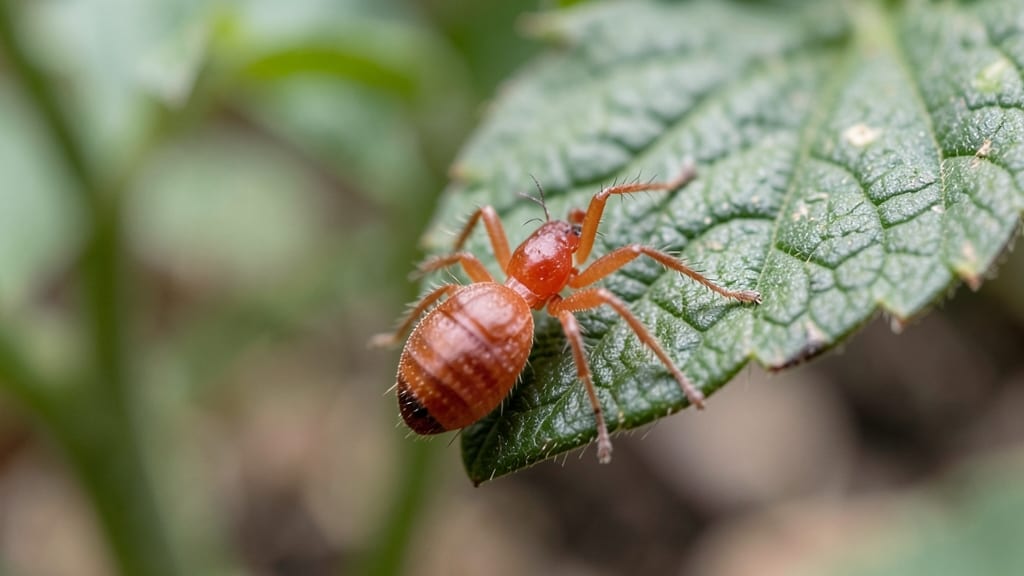
Your tomatoes' leaves are turning yellow and stippled, and you're convinced it's a watering issue—until you spot those tiny rust mites. 🌱 This sneaky pest drains chlorophyll faster than you can say "blight," but I've found an organic spray that stops the yellowing within 48 hours and keeps your plants producing like nothing happened.
The problem starts when these microscopic mites cluster on the undersides of leaves, sucking out sap and leaving behind that telltale silvering or bronze speckling. Most gardeners miss them because they're invisible to the naked eye—until the damage is done.
The good news? A simple neem oil and insecticidal soap mix disrupts their life cycle while being safe for your plants and pollinators.
After applying the spray, you'll see new growth emerge within 3-5 days with vibrant green leaves instead of those sad, yellowed patches. The key is consistency—reapply every 5-7 days until harvest, and your tomatoes will rebound like they never had a problem.
No more wasted effort on plants that look half-dead.
This method works in containers, raised beds, and in-ground gardens, and it’s especially effective in hot, dry climates where rust mites thrive. Once you’ve used it, you’ll wonder why you didn’t tackle this sooner—your future harvests will thank you.
Root Causes Of Leaf Discoloration
The unsightly yellowing and bronzing of tomato leaves—often the first warning sign of tomato rust mite infestation—don’t happen by accident. These tiny arachnids (Aculops lycopersici) thrive in specific conditions, triggering damage through a mix of direct feeding and environmental stress.
Here’s why your plants are turning into a rusty mess:
🌡️ Heatwaves & Dry Conditions
Rust mites are heat-loving pests, and when temperatures climb above 85°F (29°C), they go into overdrive. Unlike spider mites, they prefer dry air—low humidity (below 50%) dries out tomato leaves, making them easier to pierce and suck out cell contents.
The result? Tiny bronze or yellow speckles that spread like a sunburn.
💡 Why it matters: Heat stress weakens plants, making them more vulnerable to mite attacks. Overwatering can’t fix this—it just dilutes nutrients and encourages fungal diseases. Instead, focus on shade cloth or mulching to regulate soil and leaf temperatures.
🌱 Overcrowded Or Stressed Plants
Tomatoes left too close together create a perfect pest buffet. Poor air circulation traps heat and moisture, while crowded foliage provides hiding spots for mites to multiply unnoticed.
Stressed plants (from nutrient deficiencies, transplant shock, or root damage) also emit volatile organic compounds (VOCs) that attract mites—like a dinner bell for these tiny vampires.
🔥 Actionable fix: Prune aggressively to improve airflow, and space plants 18–24 inches apart. If your tomatoes are already struggling, a balanced fertilizer (like 10-10-10) can boost resilience before mites strike.
🍃 Weak Natural Predators
In a healthy garden, predatory mites (like Amblyseius species) and lacewings keep rust mite populations in check. But if you’ve used broad-spectrum pesticides (neonicotinoids, synthetic pyrethroids), you’ve likely wiped out these allies.
Without them, rust mites explode in numbers, turning your tomato leaves into a bronze disaster zone in weeks.
🎯 Pro tip: Avoid chemical sprays for at least 30 days before planting tomatoes. Instead, introduce beneficial nematodes (Steinernema feltiae) or release predatory mites early in the season to establish a natural defense.
🌿 Resistant Or Susceptible Varieties
Not all tomatoes are created equal. Heirloom and cherry varieties (like ‘Sungold’ or ‘Sweet Million’) are highly attractive to rust mites due to their thin, fuzzy leaves and high sugar content.
Even disease-resistant hybrids (marked “V” or “N” for virus/tobacco mosaic resistance) can still fall prey if other conditions are ideal.
📊 Data-backed choice: If rust mites are a recurring issue, opt for ‘Mountain Merit’ or ‘Celebrity’ tomatoes—they’re bred for pest tolerance and thick cuticles that mites struggle to penetrate.
Understanding these triggers is the first step to breaking the cycle. Once you address the why, you can tackle the how—like using organic sprays to stop the yellowing in its tracks. Stay tuned for our next section on early warning signs you might be missing!
Quick Fixes for Rusty Tomato Troubles
If your tomato plants are showing signs of stress—yellowing leaves, stunted growth, or a dull, rusty appearance—rust mites are likely the culprit. The good news? You can tackle these tiny pests with practical, organic solutions that work fast.
Below, we break down the most effective fixes based on the root cause of the problem, along with prevention tips to keep your plants thriving.
Cause: Rust mites feed on plant sap, weakening leaves and causing discoloration.
How to Fix It:
- 🔥 Spray with Neem Oil – Mix 1 tablespoon of neem oil with 1 quart of water and a few drops of dish soap (as an emulsifier). Spray the undersides of leaves thoroughly, where mites hide. Repeat every 5–7 days for 2–3 weeks.
- 🍳 DIY Potassium Soap Spray – Combine 1 tablespoon of mild liquid soap (like Castile soap) with 1 quart of water. This suffocates mites on contact. Test on a small leaf first to avoid burning tender foliage.
- 👨🍳 Boost Plant Health – Strengthen your tomatoes with a balanced organic fertilizer (like fish emulsion or compost tea) to help them recover faster.
💡 Pro Tip: Water plants in the morning to reduce humidity at night, which rust mites love.
Cause: Severe infestations drain nutrients, stunting plants and reducing yield.
How to Fix It:
- 🥘 Introduce Beneficial Predators – Ladybugs, lacewings, and predatory mites (like Phytoseiulus persimilis) devour rust mites naturally. Buy them online or attract them with companion plants like marigolds and basil.
- ⏰ Prune Infested Areas – Trim heavily damaged leaves and destroy them (don’t compost them!). This prevents the mites from spreading to healthy parts of the plant.
- 🌡️ Increase Airflow – Rust mites thrive in crowded, humid conditions. Space plants properly and avoid overhead watering to keep foliage dry.
✨ Prevention Bonus: Mulch with straw or grass clippings to deter mites from crawling up from the soil.
Cause: Mites can transfer to fruit, leaving unsightly (but usually harmless) marks.
How to Fix It:
- 🔪 Harvest Early & Treat Fruit – Pick tomatoes as soon as they ripen to prevent mites from spreading. Store harvested fruit in a cool, dry place.
- 🍳 Use Kaolin Clay Spray – Mix 1 tablespoon of kaolin clay (or diatomaceous earth) with 1 gallon of water. This creates a protective barrier that mites can’t cross. Reapply after rain.
- 🎯 Cover Young Plants – Use row covers or fine mesh netting over seedlings to block mites before they take hold.
💡 Pro Tip: Rotate crops yearly to prevent mite buildup in the soil.
To keep rust mites from returning: ✅ Inspect plants weekly – Catch infestations early. ✅ Remove weeds – They harbor pests and diseases. ✅ Rotate planting locations – Avoid growing tomatoes in the same spot yearly. ✅ Encourage biodiversity – Plant flowers and herbs to attract beneficial insects.
With these organic methods, you’ll see improvement in 48–72 hours, and your tomatoes will be back to their vibrant, productive selves! 🍅✨
Frequently asked questions about tomato rust mite
How do I know if my tomato plants have rust mites instead of spider mites?
Rust mites are harder to spot than spider mites because they're microscopic and don't create visible webs. Look for tiny bronze or silver speckles on the upper leaf surfaces (not webbing) and yellowing between leaf veins. Unlike spider mites, rust mites rarely cause leaf curling. Use a magnifying glass to check for the mites themselves on leaf undersides.
Can I use regular dish soap to kill tomato rust mites?
Yes, but only mild, liquid dish soap (like Castile soap) mixed with water. Use 1 tablespoon per quart of water—never use concentrated or powdered soap. Test on a small leaf first, as some plants are sensitive. Reapply every 5-7 days for best results, focusing on leaf undersides where mites hide.
Will my tomatoes still be safe to eat if rust mites are present?
Yes, but harvest early to prevent mite transfer to fruit. While rust mites don't transmit diseases, they can leave tiny marks on tomatoes. Pick fruit when fully ripe and store it in a cool, dry place. The mites themselves don't make tomatoes unsafe, but their presence indicates your plants need treatment.
How long does it take for neem oil to work on rust mites?
You'll typically see improvement within 48-72 hours of application. For best results, apply neem oil in the evening when bees aren't active, and repeat every 5-7 days for 2-3 weeks. The oil disrupts the mites' life cycle, preventing new eggs from hatching while suffocating existing mites.
Are there any tomato varieties that naturally resist rust mites?
While no variety is completely immune, 'Mountain Merit' and 'Celebrity' tomatoes show better resistance due to their thicker leaf cuticles. For heirloom varieties, try 'Solar Fire' or 'Heatmaster', which handle heat stress better. Planting resistant varieties combined with proper spacing (18-24 inches apart) significantly reduces mite problems.