
How To
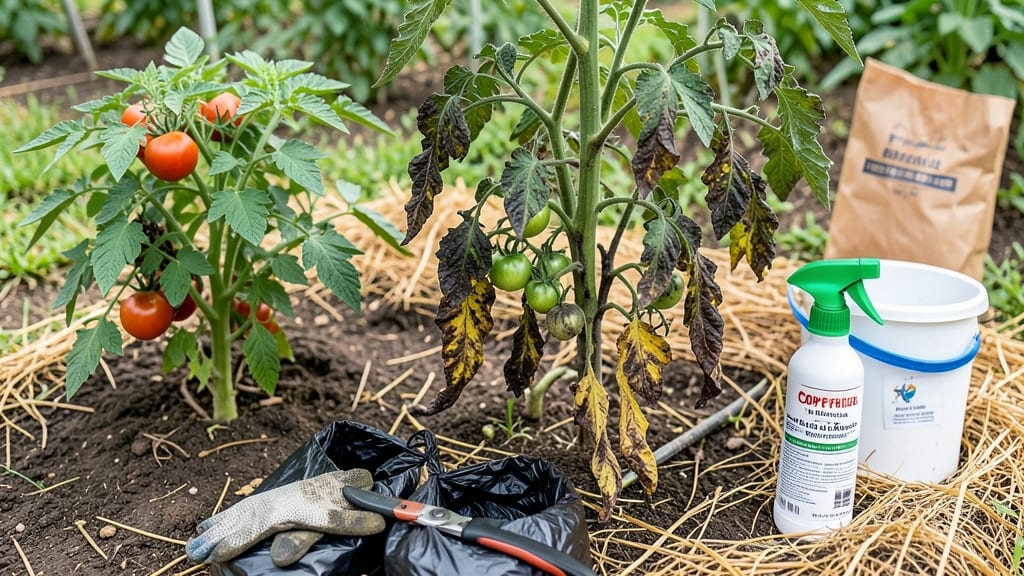
Tomato blight can turn your lush plants into sad, spotted messes in days—unless you act fast. 🌱 I’ve battled both early and late blight, and copper spray is my go-to cure because it stops fungal spread before it ruins your harvest.
The key is catching it early and treating aggressively, but even late-stage plants can recover with the right approach.
Blight thrives in wet, crowded conditions, so proper spacing and airflow are your first line of defense. I learned the hard way that removing infected leaves immediately (and bagging them!) prevents spores from jumping to healthy plants.
Copper fungicide isn’t just a spray—it’s a shield that builds up over multiple applications, giving your tomatoes a fighting chance.
Within a week of consistent treatment, you’ll see new growth pushing through, and the spread slows dramatically. The plants may never look perfect again, but they’ll still produce fruit—often sweeter because the stress forces the plant to focus its energy.
My 2022 late-blight battle ended with a harvest that fed us all summer, thanks to copper and stubbornness.
This method works for both early and late blight, whether you’re growing in-ground or containers. The secret? Start spraying at first sign of spots, keep the soil dry, and rotate crops next season. Here’s exactly how to do it—no more helplessly watching your tomatoes wither.
Root Causes of Tomato Blight
Tomato blight—especially the dreaded Phytophthora infestans (late blight) and Alternaria solani (early blight)—doesn’t strike randomly. It thrives due to a mix of environmental, biological, and even human factors.
Understanding these triggers is the first step to preventing and stopping fungal spread. Let’s break down the key reasons your tomatoes fall prey to blight.
Blight fungi love water—literally. High humidity (above 75%) and prolonged leaf wetness (over 4–6 hours) create the perfect breeding ground for spores to germinate and infect plants. Here’s why moisture is such a villain:
- Spores Need Water to Spread: Phytophthora spores swim through water droplets, while Alternaria spores cling to wet surfaces and penetrate leaves. Even dew or overhead irrigation can trigger outbreaks.
- Poor Soil Drainage = Stagnant Conditions: Waterlogged soil weakens tomato roots, making plants more susceptible to stress and fungal invasion. Clay-heavy or compacted soils trap moisture, accelerating blight.
- Nighttime Dampness is Critical: Cool, wet nights (common in late summer) slow evaporation, keeping leaves damp longer—ideal for spore germination.
Actionable Insight: If your garden retains water like a sponge, amend soil with compost or sand to improve drainage. Avoid watering in the evening, and opt for drip irrigation to keep foliage dry.
Blight isn’t just a "hot weather" problem—it thrives in cool, damp conditions. The ideal temperature range for Phytophthora infestans is 50–77°F (10–25°C), with rapid growth between 60–70°F (15–21°C). Here’s how temperature plays a role:
| Temperature Range | Blight Risk Level | Why It Matters |
|---|---|---|
| Below 50°F (10°C) | ⚠️ Low (spores dormant) | Cold slows fungal growth, but spores can survive in soil or plant debris. |
| 50–77°F (10–25°C) | 🔥 High (peak activity) | Perfect for spore germination and spread. Early blight (Alternaria) thrives in warm, dry weather, while late blight (Phytophthora) loves cool, wet conditions. |
| Above 85°F (29°C) | ⚠️ Low (spores die off) | Heat dries out leaves, but sudden storms can reignite outbreaks. |
Actionable Insight: Monitor weather forecasts. If cool, rainy conditions are predicted, proactively apply copper fungicide or organic sprays (like neem oil) to create a protective barrier.
Blight fungi are persistent survivors. They can lurk in soil, old plant matter, or even infected seeds for years, waiting for the right conditions to strike. Here’s how contamination happens:
- Infected Plant Remnants: Leaving behind tomato stems, leaves, or diseased fruit in the soil or compost pile creates a spore reservoir. Phytophthora can survive in soil for up to 3 years.
- Contaminated Tools or Hands: Pruners, gloves, or even your fingers can transfer spores from infected plants to healthy ones. Alternaria spreads easily this way.
- Crowded or Poorly Rotated Gardens: Planting tomatoes (or potatoes—another blight host) in the same spot year after year builds up fungal populations in the soil.
Actionable Insight: Practice crop rotation—avoid planting tomatoes in the same location for at least 3 years. Sterilize tools with a 10% bleach solution (1 part bleach to 9 parts water) between uses. Remove and dispose of (not compost) infected plant material.
Healthy tomatoes resist blight better than stressed ones. When plants are weak, their defenses drop, making them easy targets. Common stressors include:
- Nutrient Deficiencies: Low nitrogen (N) or potassium (K) weakens cell walls, making it easier for fungi to invade. Yellowing leaves (nitrogen deficiency) or weak stems (potassium deficiency) signal vulnerability.
- Overcrowding: Poor airflow between plants traps moisture and spores. Crowded plants also compete for nutrients, reducing overall vigor.
- Physical Damage: Hail, strong winds, or rough handling can create wounds where spores enter. Even insect bites (like from hornworms) can serve as entry points.
- Water Stress: Alternating between drought and sudden watering shocks plants, making them more susceptible to infection.
Actionable Insight: Strengthen your tomatoes with a balanced fertilizer (look for NPK ratios like 5-10-10). Space plants 18–24 inches apart for airflow, and mulch with straw to retain moisture without oversaturating soil.
Blight doesn’t just sit still—it hitches rides. Wind and rain are the primary vectors for spore dispersal:
- Rain Splashes Spores: A single raindrop can carry thousands of Phytophthora spores and fling them onto healthy leaves. This is why blight spreads exponentially during storms.
- Wind Carries Infected Droplets: Spores can travel miles on wind currents, especially in greenhouses or dense plantings. Even a gentle breeze can transfer spores between plants.
- Spores from Nearby Gardens: If your neighbor’s tomatoes are blighted, their spores can drift into your garden—no contact needed.
Actionable Insight: During rainy or windy periods, cover plants with row covers or plastic sheets (secured tightly) to block spore exposure. Remove and destroy infected leaves immediately to limit spread.
Fix Tomato Blight Fast
Tomato blight doesn’t have to ruin your harvest—here’s how to stop the spread, save your plants, and prevent future outbreaks with actionable, garden-proof solutions. Whether your tomatoes are showing early signs (brown spots, yellowing leaves) or are already crumbling, these targeted fixes will help you reclaim your garden.
Cause: Fungal spores spread rapidly when diseased plants linger. Fix:
- 🔪 Snip and toss any leaves, stems, or fruit with blight spots (don’t compost them—use a sealed trash bag).
- 🌱 Prune healthy growth 6–12 inches below infected areas to prevent underground spread.
- 🚫 Avoid watering foliage—wet leaves create the perfect breeding ground for spores.
Pro Tip: 💡 Disinfect pruners with rubbing alcohol between cuts to avoid cross-contamination.
Cause: Phytophthora infestans (the blight fungus) thrives in damp conditions but hates copper. Fix:
- 👨🍳 Mix homemade copper spray: Combine 1 tbsp copper sulfate (or 1 tsp copper fungicide) with 1 gallon of water + a drop of dish soap (as a sticker). Shake well.
- 🥘 Spray preventatively every 7–10 days (or after rain) on leaves, stems, and soil around plants.
- 🌡️ Apply in the morning so foliage dries quickly—avoid spraying at night (fungus loves moisture).
Pro Tip: ✨ For organic gardens, use baking soda spray (1 tsp baking soda + 1 tsp oil + 1 quart water) as a mild alternative between copper treatments.
Cause: Blight spreads faster in crowded, humid conditions. Fix:
- 🌿 Space plants 18–24 inches apart (or prune suckers to open up the canopy).
- ⏰ Water at the base (not overhead) early in the day so leaves dry by sunset.
- 🪴 Elevate containers or amend soil with perlite/sand to improve drainage.
Pro Tip: 🎯 Use mulch (straw or grass clippings) to keep soil moist but prevent splashing spores onto leaves.
Cause: Weak plants (from poor soil or stress) are blight magnets. Fix:
- 🌱 Feed with compost or balanced fertilizer (high in phosphorus for roots).
- 💧 Mulch with compost to boost soil health and deter fungus.
- 🌿 Interplant with basil, marigolds, or garlic—these repel pests and improve airflow.
Pro Tip: 💪 Avoid nitrogen-heavy fertilizers (like blood meal) late in the season—they promote lush foliage that blight loves.
If blight has wiped out 50%+ of your plant, it’s often easier to pull and replace than fight. Choose blight-resistant varieties (like ‘Mountain Merit’ or ‘Defiant’) for next season.
Prevention Checklist for Next Year: ✅ Rotate crops—don’t plant tomatoes (or potatoes/peppers) in the same spot for 3+ years. ✅ Start with disease-free seedlings (avoid garden centers with damp, crowded plants). ✅ Test soil pH (aim for 6.0–6.8—blight thrives in acidic soil). ✅ Store seeds in a dry place—fungus can survive on old seed packets!
Remember: Blight is manageable, not a death sentence. Act fast, stay consistent, and your tomatoes will bounce back—healthier than ever! 🍅💚
Frequently asked questions
Can I still save tomatoes with severe blight damage?
If 50% or more of your plant shows symptoms, it’s often better to remove and replace it. However, if the damage is localized (like a few leaves), prune infected areas immediately and apply copper spray. For existing fruit, harvest what’s ripe and destroy the rest to prevent spores from spreading.
How often should I apply copper spray?
Spray every 7–10 days or after heavy rain to maintain protection. For prevention, start spraying when plants are young and continue through the growing season. Always apply in the morning so foliage dries quickly—this prevents moisture buildup that blight loves.
Is baking soda really effective against tomato blight?
Yes! A homemade baking soda spray (1 tsp baking soda + 1 tsp oil + 1 quart water) works as a mild fungicide. It’s best used between copper treatments, especially for organic gardens. Reapply every 7 days during humid conditions, but avoid using it if temperatures exceed 85°F—it can burn leaves.
Why does blight spread so fast in my garden?
Blight thrives in crowded, wet conditions with poor airflow. Spores spread via wind, rain, and even gardening tools. To slow it down, space plants 18–24 inches apart, water at the base (not overhead), and remove infected leaves immediately—don’t compost them!
Can I use the same copper spray on other plants?
Yes, copper fungicide is safe for most vegetables (like peppers, eggplants, and potatoes) but avoid spraying edible parts (fruit, leaves) right before harvest. For herbs and flowers, always test a small area first—some varieties (like basil) may be sensitive. Dilute the solution as directed to prevent damage.