
Vegetables
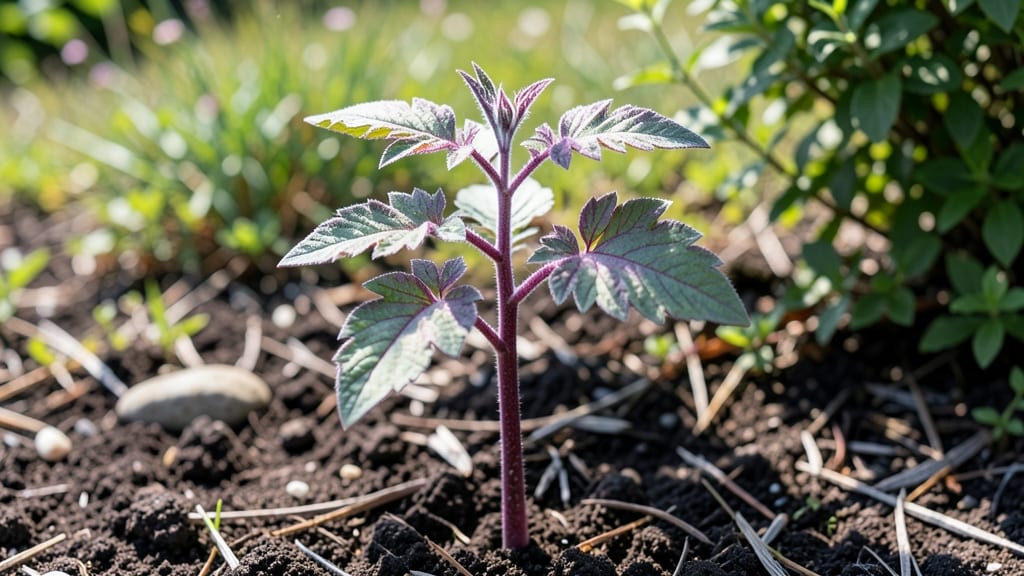
Seeing purple tomato seedlings usually means your plants are crying for help. 🌱 The discoloration signals nutrient deficiencies—often phosphorus or potassium—or pH issues stressing the roots. I’ve seen this happen after overwatering, poor soil prep, or using the wrong fertilizer, and fixing it early can save your entire crop.
Start by testing your soil’s pH (aim for 6.0–6.8) and checking for compacted roots. Purple stems often mean phosphorus deficiency—add bone meal or a balanced 10-10-10 fertilizer—but potassium (banana peels or wood ash) helps too. If the soil feels waterlogged, improve drainage with perlite or sand.
Once corrected, your seedlings should green up within 7–10 days. For prevention, use well-draining seedling mix, avoid overwatering, and feed lightly with a diluted fertilizer every 2 weeks. Cold-hardy varieties like ‘Purple Cherokee’ or ‘Black Krim’ tolerate stress better, too.
This isn’t just about fixing purple—it’s about building resilience. With the right care, your seedlings will grow into strong, productive plants that reward you with flavorful harvests all season. Let’s get them back on track.
Root Causes Of Purple Seedling Discoloration
Purple-tinged tomato seedlings can be alarming, but they’re often a sign of environmental stress rather than disease. Understanding the underlying causes helps you correct the issue before it affects plant health. Below, we break down the most common reasons—each with a clear scientific explanation and actionable fixes.
Tomato seedlings may develop purple hues due to a lack of essential nutrients, particularly phosphorus or potassium. These elements are critical for energy transfer and root development.
- Phosphorus deficiency (often seen as deep purple in stems and leaves) disrupts the plant’s ability to convert light into energy. This is common in cold soils or when seedlings are transplanted too early, as phosphorus uptake slows in chilly conditions.
- Potassium deficiency (appearing as purple edges on older leaves) weakens cell structure, making seedlings more susceptible to stress. Overwatering or poor drainage can leach potassium away before roots establish.
Actionable Fix:
- Test your soil with a DIY kit or send a sample to a local extension office.
- Amend soil with bone meal (for phosphorus) or greensand (for potassium) before planting.
- Use a balanced fertilizer (e.g., 10-10-10) at half-strength when seedlings emerge.
Tomato seedlings are tropical plants at heart—they hate cold. When soil temperatures dip below 50°F (10°C), roots struggle to absorb nutrients, triggering a survival response that manifests as purple pigmentation (a form of anthocyanin production).
- Cold damage is most common in early spring or fall plantings, when nights are chilly but days warm up.
- Even wind exposure can exacerbate the issue by drying out seedlings faster than roots can compensate.
Actionable Fix:
- Wait until soil temps consistently stay above 55°F (13°C) (use a soil thermometer to check).
- Cover seedlings with row covers or cloche tunnels at night to trap heat.
- Mulch heavily with straw or black plastic to insulate roots.
Purple seedlings often signal water stress, whether from drought or overwatering. Both scenarios disrupt nutrient uptake and trigger anthocyanin production as a protective measure.
- Underwatering: Shallow roots can’t reach moisture, causing wilting and purple stems. This is common in sandy soils or when seedlings are in small containers that dry out quickly.
- Overwatering: Soggy soil cuts off oxygen to roots, preventing nutrient absorption. Purple leaves may appear alongside yellowing (chlorosis) if roots are drowning.
Actionable Fix:
- Water deeply but infrequently—aim for 1 inch (2.5 cm) per week, adjusting for rain.
- Use well-draining soil mixes (e.g., 60% potting soil, 30% perlite, 10% compost).
- Check moisture with your finger: Top 1 inch (2.5 cm) should be dry before watering again.
If your seedlings are sitting in compacted or clay-heavy soil, excess moisture builds up around roots, suffocating them and blocking nutrient access. This leads to purple discoloration as the plant struggles to survive.
- Clay soils hold water tightly, preventing roots from breathing.
- Container-grown seedlings in plastic pots without drainage holes are especially vulnerable.
Actionable Fix:
- Amend clay soil with organic matter (compost, peat moss, or coconut coir) to improve aeration.
- For containers, use terracotta pots (which wick away moisture) or drill drainage holes in plastic pots.
- Raise containers on feet or saucers to prevent waterlogging.
Pro Tip: 💡 If your seedlings are already purple, don’t panic—most recover with the right care! Monitor closely for 3–5 days; if no improvement, dig deeper into soil tests or environmental factors.
Quick Fixes for Purple Seedling Woes
If your tomato seedlings are showing up purple, don’t panic—this is often a fixable issue! The key is identifying the root cause (nutrient deficiency, stress, or environmental factors) and addressing it with targeted solutions.
Below, we’ll break down practical fixes for each common trigger, plus prevention tips to keep your seedlings thriving.
Purple tinges often signal a lack of essential nutrients. Here’s how to correct them:
🔥 Boost Nitrogen for Leafy Growth
Purple stems or leaves? Your seedlings may need more nitrogen, the building block for lush foliage.
- Apply a balanced fertilizer: Use a 10-10-10 or 20-20-20 NPK fertilizer (nitrogen-phosphorus-potassium) at half-strength to avoid overfeeding.
- Organic options: Mix in compost tea, fish emulsion, or a diluted molasses solution (1 tbsp per gallon of water) for a gentle nitrogen boost.
- Foliar spray: For quick absorption, spray diluted liquid fertilizer (like seaweed extract) on the leaves.
💡 Pro Tip: Test your soil first! A simple DIY test (like the baking soda test for nitrogen) can confirm deficiencies before fertilizing.
🍳 Correct Phosphorus Shortages for Root Development
Purple undersides on leaves or stunted growth? Phosphorus deficiency is likely.
- Use bone meal or rock phosphate: Sprinkle 1–2 tbsp of bone meal per plant and gently scratch it into the soil.
- Compost or worm castings: These provide slow-release phosphorus while improving soil structure.
- Avoid overwatering: Phosphorus is less available in soggy soil—ensure good drainage.
👨🍳 Magnesium Deficiency? Try Epsom Salt
Yellowing between leaf veins with purple edges? Magnesium deficiency (often called "lime-induced chlorosis") is the culprit.
- Epsom salt solution: Mix 1 tbsp of Epsom salt (magnesium sulfate) into 1 gallon of water and water the seedlings at the soil line.
- Repeat weekly: Continue until the purple fades (usually 2–3 weeks).
- Prevent recurrence: Add dolomitic lime to your soil if it’s acidic (pH below 6.0).
Cold, heat, or poor light can also trigger purple hues. Adjust these factors to restore healthy growth:
❄️ Protect Seedlings from Cold Stress
Purple stems or leaves in chilly weather? Cold slows nutrient uptake, causing discoloration.
- Use row covers or cloches: Lightweight fabric or plastic domes can raise soil temps by 5–10°F.
- Move containers indoors: If possible, place seedlings near a sunny window or under grow lights.
- Avoid watering at night: Cold, wet soil worsens stress—water in the morning instead.
🔥 Shield from Heat or Direct Sun
Scorched purple leaves? Too much heat or intense sunlight can stress seedlings.
- Provide shade cloth: Use 30–50% shade fabric to filter harsh afternoon sun.
- Water deeply in the morning: Keep soil moist but not waterlogged to prevent heat shock.
- Hardening off gradually: If transplanting, acclimate seedlings to outdoor conditions over 7–10 days.
💧 Fix Overwatering or Poor Drainage
Purple stems with mushy roots? Overwatering deprives seedlings of oxygen and nutrients.
- Check drainage: Ensure pots have drainage holes and use a well-draining mix (50% potting soil, 30% perlite, 20% compost).
- Let the top inch dry: Water only when the soil feels dry to the touch.
- Repot if needed: If roots are waterlogged, transplant to fresh, dry soil.
Once your seedlings bounce back, keep them healthy with these long-term strategies:
- 🌡️ Monitor soil temperature: Ideal seedling soil temps are 60–75°F. Use a soil thermometer to track conditions.
- 💡 Use grow lights early: If natural light is weak, supplement with LED grow lights (12–16 hours/day).
- 🥗 Rotate crops: Avoid planting tomatoes in the same spot yearly to prevent nutrient depletion.
- 🔄 Test soil annually: A simple pH test (aim for 6.0–6.8) and nutrient analysis can prevent deficiencies.
- ✨ Choose cold-hardy varieties: For year-round growing, opt for purple-resistant or cold-tolerant tomatoes like ‘Stupice’ or ‘Black Krim.’
With these fixes, your tomato seedlings should regain their vibrant green within a few weeks. Remember: consistency is key—whether it’s fertilizing, watering, or protecting them from the elements. Happy growing! 🍅🌿
Frequently asked questions
Why do my tomato seedlings turn purple?
Purple tomato seedlings usually signal nutrient deficiencies (like phosphorus or potassium), cold stress, or water issues. Cold soil below 50°F (10°C) slows nutrient uptake, while overwatering or poor drainage can suffocate roots. Test your soil pH (ideal: 6.0–6.8) and check for compacted roots.
Can purple seedlings still grow into healthy tomato plants?
Yes! With quick fixes, most purple seedlings recover within 7–10 days. Correct the issue (e.g., add bone meal for phosphorus or improve drainage), and monitor closely. Cold-hardy varieties like ‘Black Krim’ handle stress better, but all tomatoes can bounce back if cared for properly.
What’s the fastest way to fix purple stems?
For nutrient deficiencies, use a balanced fertilizer (10-10-10) at half-strength or apply bone meal for phosphorus. If cold is the issue, cover seedlings with row fabric or move them to a warmer spot. Water only when the top 1 inch (2.5 cm) of soil is dry to avoid stress.
Are purple leaves different from purple stems?
Yes! Purple stems often mean phosphorus deficiency, while purple leaves (especially edges) may indicate potassium or magnesium issues. Check older leaves first—if they’re curling or yellowing, magnesium (try Epsom salt) could be the problem. Test soil to pinpoint the exact deficiency.
How can I prevent purple seedlings in the future?
Start with well-draining soil (mix potting soil + perlite), use containers with drainage holes, and avoid overwatering. Test soil pH before planting, and use a slow-release fertilizer. For cold climates, wait until soil temps reach 55°F (13°C) before transplanting.