
How To
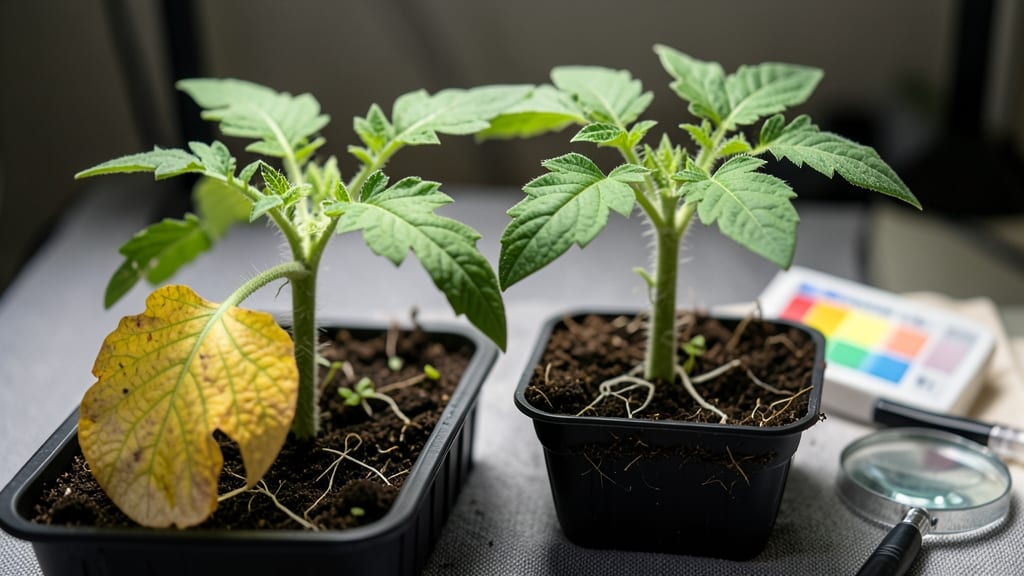
Your tomato seedlings turning yellow isn't a death sentence—it's a call for action. 🌱 I've nursed back more than my fair share of limp, pale seedlings, and the fix is simpler than you think. Most yellowing happens from overwatering, nutrient starvation, or fungal sneaking in through crowded pots.
The first step is diagnosing: check the soil—if it's soggy, you're drowning your seedlings. If the leaves feel spongy or have black spots, fungal infection is likely. Nutrient issues show as yellowing between veins, while overwatering makes the whole leaf turn pale.
Grab a small trowel and dig into the soil to see what's really going on.
Within 24 hours, you can reverse this with the right adjustments: let the soil dry between waterings, add a balanced fertilizer, and thin out crowded seedlings for better airflow. I've brought back seedlings that looked ready for the compost bin just by adjusting these three things.
The key is acting fast before the roots rot or the plant gives up completely.
Once you've fixed the immediate problem, keep an eye out for these warning signs: wilting after watering (overwatering), stunted growth (nutrient deficiency), or white fuzz (fungus). Prevention is about balance—water just enough, feed regularly, and give your seedlings room to breathe. Your tomatoes will be thriving again in no time.
Root Causes Behind Yellowing
When your tomato seedlings start turning yellow, it’s often a cry for help—your plants are telling you something’s off. The good news? Most yellowing issues stem from a few key problems, and understanding them is the first step to revival.
Below, we break down the most common culprits and why they trigger that distressing color shift. 🌱💡
Yellowing leaves on tomato seedlings are often a waterlogged warning sign. When roots sit in soggy soil for too long, they suffocate, starving the plant of oxygen. This leads to anaerobic conditions, where harmful bacteria thrive, rotting roots and blocking nutrient uptake.
Without proper aeration, the plant can’t absorb water or minerals efficiently, causing leaves to yellow—especially the older ones—before wilting or dropping.
Why it happens:
- Compacted soil: Heavy clay or poorly amended soil traps excess moisture, preventing roots from breathing.
- Lack of drainage holes: Containers without drainage force water to pool at the bottom.
- Overzealous watering: Seedlings need moisture, but their roots are delicate. Too much water too often drowns them.
- Cooling temperatures: Cold soil slows root activity, making seedlings more vulnerable to waterlogging.
💡 Pro Tip: Stick your finger an inch into the soil—if it’s damp, wait to water. Use well-draining soil mixes (like 60% potting soil + 30% perlite + 10% compost) and elevate containers to improve airflow.
Yellowing between leaf veins (a condition called chlorosis) is a classic sign of nutrient starvation. Tomato seedlings need a balanced diet, and when one or more key nutrients are missing, the plant prioritizes growth in new leaves over repairing old ones. The most common deficiencies include:
| Nutrient | Yellowing Pattern | Why It Happens |
|---|---|---|
| Nitrogen (N) | Older leaves turn yellow but stay on the plant. | Nitrogen fuels leaf production. Without it, the plant “recycles” nutrients from older leaves to sustain new growth. |
| Magnesium (Mg) | Yellow patches between veins (interveinal chlorosis). | Magnesium is vital for chlorophyll production. Poor soil structure or high pH locks it out of root uptake. |
| Iron (Fe) | Young leaves turn yellow while veins stay green. | Iron is immobile in plants—new leaves show symptoms first. Calcareous (alkaline) soil binds iron, making it unavailable. |
| Potassium (K) | Yellowing edges or scorched tips on older leaves. | Potassium regulates water and disease resistance. Deficiency weakens cell walls, causing browning and yellowing. |
🌡️ Key Factor: Nutrient deficiencies often overlap with pH issues. Test your soil—ideal pH for tomatoes is 6.0–6.8. If it’s too high (alkaline), iron and manganese become locked away.
While overwatering is a common villain, underwatering can also trigger yellowing—though it often comes with wilting or crispy edges. Seedlings have shallow roots and dry out quickly, especially in hot or windy conditions. When soil moisture drops too low:
- The plant closes stomata (pores) to conserve water, slowing photosynthesis.
- Root tips die off from dehydration, reducing the plant’s ability to absorb water.
- Chlorophyll breaks down as the plant shifts energy to survival mode.
Why it happens:
- Small containers: Seedlings outgrow starter pots fast, leading to root-bound stress.
- Low humidity: Dry air increases transpiration (water loss) faster than roots can replenish it.
- Inconsistent watering: Letting soil dry completely between waterings shocks seedlings.
✨ Quick Fix: Water deeply until it drains from the bottom, then mulch with straw to retain moisture. Move seedlings to a shadier spot if temperatures exceed 85°F (29°C).
Hidden pests or pathogens can silently drain your seedlings, causing yellowing before you spot the damage. The most common culprits include:
- Fungal diseases (e.g., damping-off): Causes yellowing at the soil line, followed by wilting and collapse. Thrives in cool, wet conditions.
- Aphids or spider mites: Sap-sucking pests inject toxins that disrupt chlorophyll, turning leaves yellow and sticky (from honeydew).
- Root-knot nematodes: Microscopic worms burrow into roots, blocking nutrient flow and causing stunted, yellowed growth.
- Bacterial wilt (Ralstonia): Yellowing spreads upward from the base, often with wilting. Spreads through contaminated water or tools.
🔥 Red Flag: Check the undersides of leaves for pests or slimy bacterial ooze. Fungal issues may show as moldy soil or blackened stems.
Tomato seedlings are light-hungry, and too little (or too much) sun can turn leaves yellow. Here’s how:
- Leggy, pale yellow seedlings: Stretched stems and light green/yellow leaves mean etiolation—the plant is starving for light. It prioritizes stem growth over leaf development, leading to weak, yellowing foliage.
- Sunburnt yellow patches: Direct, intense midday sun (especially in hot climates) can scorch leaves, causing white or yellow spots.
- Cold stress: Temperatures below 50°F (10°C) slow metabolism, leading to yellowing and stunted growth. Seedlings may also develop chilling injury in soil temps below 55°F (13°C).
🎯 Ideal Conditions: Seedlings need 12–16 hours of bright light daily (grow lights or south-facing windows). Harden off gradually to avoid temperature shock.
Quick Fixes for Yellowing Seedlings
Reviving your tomato seedlings from a yellowing spell is easier than you think—especially when you tackle the root cause (literally and figuratively). Below are practical, step-by-step solutions tailored to the most common triggers, plus pro tips to keep your plants thriving long-term.
---
Yellow leaves on tomato seedlings often signal root rot from soggy soil. If the soil stays damp for days or water pools around the base, act fast!
How to Revive: 1. 🔥 Stop Watering Immediately – Let the soil dry out completely before watering again. 2. 🍳 Repot in Fresh, Dry Soil – Gently remove the seedling, trim any mushy roots (use clean scissors), and replant in well-draining potting mix (add perlite or vermiculite). 3. 👨🍳 Elevate the Pot – Place it on a saucer with pebbles to prevent waterlogging. 4. ⏰ Wait Before Watering – Only water when the top 1–2 inches of soil feel dry.
💡 Prevention Tip: - Use pots with drainage holes and avoid saucers that trap excess water. - Water only at the base—never overhead—to reduce fungal risks.
---
Too much direct sun (especially in hot climates) can scorch leaves, turning them yellow or white. If your seedlings look bleached or crispy, they’re begging for shade.
How to Revive: 1. 🌡️ Move to Partial Shade – Place them under 50% shade cloth or a sheer curtain for a few days. 2. 💧 Water Deeply in the Morning – Keep soil moist but not soggy to help roots absorb nutrients. 3. ✨ Gradually Reintroduce Sun – After 3–5 days, slowly increase sunlight exposure over a week.
💡 Prevention Tip: - Hardening off seedlings slowly (expose to sun for 1–2 hours daily, increasing time) prevents shock. - Avoid midday sun—early morning or late afternoon light is gentler.
---
Yellowing between leaf veins often signals nitrogen deficiency, while yellowing at the edges or purplish stems may mean phosphorus or potassium issues. A quick soil test (or DIY fix) can save your plants.
How to Revive: | Symptom | Likely Deficiency | Fix It Fast | |---------------------------|-----------------------|---------------------------------------------------------------------------------| | Pale yellow leaves | Nitrogen (N) | Mix 1 tsp Epsom salt (magnesium) or compost tea into water; water soil. | | Yellow edges, slow growth | Potassium (K) | Use banana peel tea (soak peels in water for 3 days) or a balanced fertilizer (10-10-10). | | Yellow with purple stems | Phosphorus (P) | Add bone meal (1 tbsp per gallon of soil) or fish emulsion. |
💡 Prevention Tip: - Fertilize lightly—seedlings need half-strength solutions. Overdoing it burns roots! - Rotate crops to replenish soil nutrients naturally.
---
Chewed leaves, sticky residue, or fungal spots can drain nutrients, causing yellowing. Act quickly to stop the spread!
How to Revive: 1. 🔪 Inspect for Pests – Check undersides of leaves for aphids, spider mites, or whiteflies. Blast them off with soapy water (1 tsp mild soap + 1 quart water). 2. 🍄 Fungal Issues? – If leaves have yellow spots with black centers, it’s likely early blight or septoria leaf spot. - Spray with neem oil (1 tbsp per quart of water) or baking soda mix (1 tsp baking soda + 1 quart water + a drop of soap). - Remove infected leaves immediately. 3. 🌿 Boost Immunity – Strengthen seedlings with compost tea or kelp meal (rich in micronutrients).
💡 Prevention Tip: - Space seedlings properly (6–12 inches apart) for airflow. - Water at the base (not overhead) to prevent fungal spores from splashing.
--- For any yellowing seedlings, follow this 24-hour rescue plan: 1. 🔍 Diagnose – Check soil moisture, sunlight, and pests. 2. 🚿 Adjust Care – Fix watering, shade, or nutrients as needed.
3. 💊 Fertilize Lightly – Use a balanced, water-soluble fertilizer (5-5-5) at half strength. 4. 🌱 Monitor Progress – Yellowing should improve in 3–7 days. If not, dig deeper (literally—check roots!).
--- ✨ Pro Tip: If all else fails, snip the worst yellow leaves—it helps the plant focus energy on new growth! Most seedlings bounce back within a week with the right care. 🍅💚
Frequently asked questions
Why do my tomato seedlings turn yellow first on the older leaves?
This is usually a sign of nitrogen deficiency or natural leaf recycling. Older leaves yellow first because the plant moves nutrients to new growth. If the yellowing spreads or leaves drop quickly, check your soil—it may need a light feeding with compost tea or a balanced fertilizer (5-5-5).
Can I save tomato seedlings if the stems turn black at the soil line?
This is likely damping-off fungus, a common seedling killer. Act fast: Remove affected seedlings immediately, sterilize your tools, and repot healthy ones in fresh, dry soil with added perlite. Prevent future issues by spacing seedlings properly (2-3 inches apart) and avoiding overhead watering.
How often should I fertilize tomato seedlings to prevent yellowing?
Seedlings need gentle feeding—start with a half-strength balanced fertilizer (5-5-5) every 2-3 weeks once they develop their second set of true leaves. Over-fertilizing burns delicate roots, while under-fertilizing causes nutrient deficiencies. Always water thoroughly before applying fertilizer.
Is yellowing normal when transplanting tomato seedlings?
Some shock is normal, but excessive yellowing means stress. Transplant on a cloudy day or in late afternoon to reduce shock. Water deeply before and after transplanting, and avoid fertilizing for 1-2 weeks to let roots establish. Most seedlings recover within 5-7 days if given proper care.
What's the difference between yellowing from overwatering vs. underwatering?
Overwatering causes soggy soil and yellowing from the bottom up, often with mushy stems. Underwatering shows as dry, crispy edges and wilting. Check soil moisture—if it's damp but leaves are yellow, you're overwatering. If soil is dry and leaves feel papery, it's underwatering. Adjust your watering schedule accordingly.