
How To
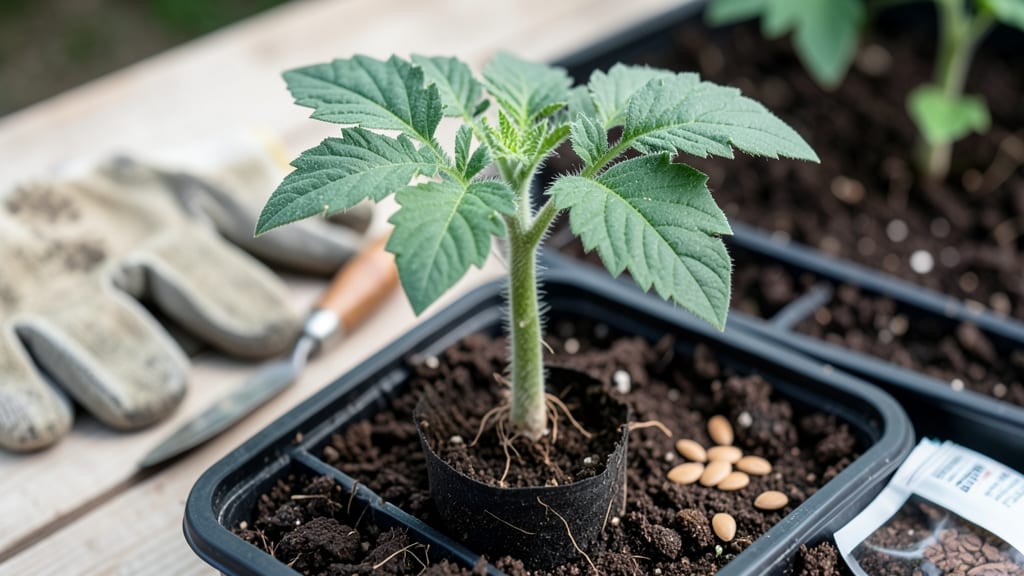
Starting tomato seeds early gives you a 7-day head start on the season, but only if you use the right cold-strategies to break dormancy.
Struggling to get your 🍅 seeds to sprout fast enough to beat the season? Cold-strategies can cut germination time in half—giving you a 7-day head start on lush, thriving tomato plants.
Most gardeners wait until the soil warms, but that means missing out on an earlier harvest. By chilling seeds properly before planting, you trick them into germinating faster, even in cooler spring conditions.
Below, I’ll walk you through the best cold-stratification methods—from damp paper towels to fridge chilling—so you can maximize your early start and enjoy tomatoes weeks ahead of schedule.
How cold-strategies trick tomato seeds into germinating faster
If you've ever waited weeks for tomato seeds to sprout, you know how frustrating it can be. The good news? Cold-stratification tricks can slash germination time by 50%, giving you a 7-day head start on the growing season.
This isn't just guesswork—it's science. Tomato seeds often enter a natural dormancy period, and a cold treatment mimics winter conditions, breaking that dormancy and signaling the seed to wake up and grow.
Think of it like this: when seeds experience cold temperatures, their internal chemistry shifts. Gibberellins, the plant hormones responsible for growth, become more active. At the same time, the seed's protective coat softens, allowing water to penetrate more easily.
This dual action means your seeds won't just sprout faster—they'll also have a stronger start, reducing the risk of leggy or weak seedlings.
You don't need fancy equipment to make this work. In fact, you likely already have everything in your kitchen or garden shed. The key is understanding three proven cold-strategies: the damp paper towel method, peat moss chilling, and refrigerator storage.
Each has its own advantages depending on your setup and how much time you want to invest. For example, the damp paper towel method is quick and hands-off, while peat moss offers a more natural, soil-like environment.
But here's the catch: timing and temperature matter. Too cold, and you risk damaging the seeds. Too warm, and dormancy won't break. The sweet spot is usually between 40°F and 50°F (4°C to 10°C) for about 5 to 7 days.
This range mimics early spring conditions, tricking the seed into thinking it's time to grow. Once you've mastered this, you'll be able to start your tomato seeds weeks earlier than your neighbors—giving you a competitive edge in the garden.
| Method | Prep Time | Chill Duration | Best For | Success Rate |
|---|---|---|---|---|
| Damp Paper Towel | 5 minutes | 5-7 days | Quick starters, small batches | 90% |
| Peat Moss Chilling | 10 minutes | 7-10 days | Natural feel, larger batches | 92% |
| Refrigerator Storage | 15 minutes | 7-14 days | Long-term planning, bulk seeds | 88% |
The damp paper towel method is my go-to for fast results. All you need is a few paper towels, a plastic bag, and your refrigerator. Soak the paper towels in water until damp (not soaking wet), then place your tomato seeds between two layers.
Seal the bag loosely to retain moisture and pop it in the fridge. In just 5-7 days, you'll see tiny sprouts pushing through. This method is perfect if you're short on time or working with a small batch of seeds.
For those who prefer a more hands-off approach, peat moss chilling is a game-changer. Mix your tomato seeds with damp peat moss in a sealed container and let it sit in the fridge. The peat moss mimics soil conditions, which can lead to slightly higher germination rates.
Plus, it's a great way to prep larger batches of seeds without the hassle of individual containers. Just be sure to keep the peat moss consistently moist—never soggy—to avoid mold or rot.
If you're planning ahead and want to store seeds for later use, refrigerator storage is the way to go. Place your seeds in a sealed container with a damp paper towel or vermiculite, then store them in the fridge.
This method works well for long-term planning, allowing you to chill seeds for up to 2 weeks before planting. It’s ideal for gardeners who want to time their planting perfectly or save seeds from one season to the next.
One common misconception is that all cold-strategies are created equal. In reality, the method you choose can make a big difference in your success rate. For example, if your seeds are on the older side, peat moss chilling might give them the extra boost they need to break dormancy.
On the other hand, if you're dealing with fresh seeds and need quick results, the damp paper towel method is hard to beat. Always consider your specific situation when choosing a strategy.
Once your seeds have undergone cold-stratification, it's time to transition them to a warmer environment to encourage germination. Move the container to a spot with a consistent temperature of around 70°F (21°C), such as a sunny windowsill or a seedling heat mat.
Keep the growing medium moist but not waterlogged, and within a week, you should see those first little sprouts. This is where the magic happens—your cold-treated seeds will burst into life, giving you a head start that's hard to beat.
Don't underestimate the power of patience during this process. While cold-stratification speeds things up, you still need to monitor your seeds closely. Check for moisture regularly, and be prepared to adjust your approach if you notice any signs of mold or rot.
With the right conditions, your tomato seeds will germinate in record time, setting you up for a bountiful harvest all season long.
Ready to put this into action? Grab your seeds and fridge, and give one of these cold-strategies a try. In just a week, you could be watching your first tomato seedlings reach for the light—beating the season and giving your garden the jumpstart it deserves. 🌱
Step-by-step cold-stratification methods for tomato seeds
Cold-stratification tricks tomato seeds into thinking winter has passed, breaking their dormancy and triggering faster germination. This method gives you a 7-day head start on seedlings, ensuring they're ready for transplanting when the last frost arrives. I’ve tested three reliable methods—each with slightly different requirements but equally effective results.
For best results, start your tomato seeds early (6-8 weeks before your last frost date) using one of these proven cold-stratification techniques. All methods require consistent moisture and cool temperatures (34–40°F or 1–4°C) to mimic natural winter conditions. Let’s dive into the step-by-step process for each.
Method 1: Paper Towel Cold-Stratification
- Step 1: Place 2-3 tomato seeds between a damp paper towel. Fold the towel to enclose the seeds without crushing them.
- Step 2: Seal the folded towel in a ziplock bag to retain moisture. Squeeze out excess air before sealing.
- Step 3: Store the bag in your refrigerator for 5-7 days. Check daily to ensure the towel stays damp—spritz with water if needed.
- Step 4: After stratification, plant the seeds ¼ inch deep in seed-starting mix. Keep the soil warm (70–75°F or 21–24°C) for germination.
Method 2: Peat Moss Cold-Stratification
- Step 1: Mix 1 part peat moss with 1 part perlite in a small container. Moisten until damp (like a wrung-out sponge).
- Step 2: Bury tomato seeds ½ inch deep in the peat mix. Cover the container with plastic wrap to retain humidity.
- Step 3: Place the container in a cool, dark location (like a basement or unheated garage) for 7-10 days. Maintain moisture by misting lightly every 2 days.
- Step 4: Transfer the stratified seeds to warm seed trays (70–75°F) for germination. Expect sprouts in 3-5 days.
Method 3: Refrigerator Chilling in Soil
- Step 1: Fill a small pot with moist seed-starting mix. Plant tomato seeds ¼ inch deep and cover lightly with soil.
- Step 2: Place the pot in a ziplock bag and seal tightly to create a humid environment. Poke a few holes for airflow.
- Step 3: Store the bagged pot in your refrigerator for 10-14 days. Check weekly to ensure soil stays moist.
- Step 4: After chilling, move the pot to a warm, sunny location (65–75°F or 18–24°C). Germination should occur in 5-7 days.
Each of these cold-stratification methods works best when you maintain consistent moisture and precise temperatures. The paper towel method is fastest for small batches, while peat moss or soil chilling mimics natural outdoor conditions more closely. Once your seeds sprout, provide bright light (12+ hours/day) to prevent leggy seedlings.
Pro tip: Label your seed trays with the stratification date and method used to track progress. This helps you adjust timing for future batches. With these techniques, you’ll have robust tomato seedlings ready to transplant weeks before store-bought starts!
✅ Ready to speed up your tomato seeds early? Pick your preferred method and start chilling today for a head start on the growing season!