
How To
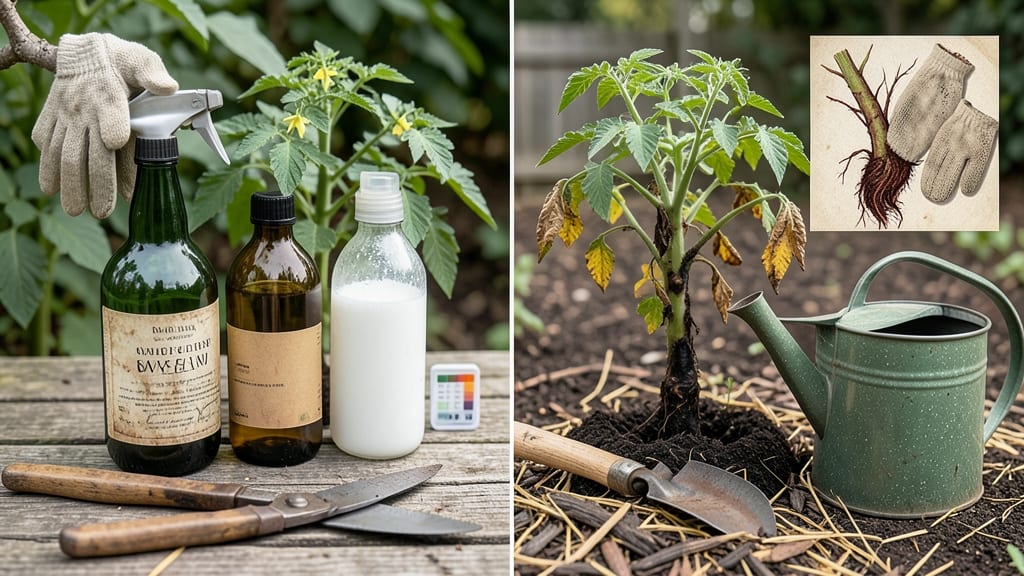
When your tomato plants suddenly wilt despite perfect care, tomato stem rot treatment could be the culprit—and this 3-step fix might still save them. 🌱 I’ve nursed back plants that looked doomed, and the key is acting fast before the disease spreads through the vascular system.
The first step is identifying whether it’s Fusarium or Verticillium wilt (both look similar but need slightly different approaches), then isolating infected plants to stop the spread.
Most gardeners panic because stem rot feels like a death sentence, but the truth is, you can still salvage some plants with immediate pruning and soil treatments.
Start by cutting away all infected stems down to healthy tissue, then drench the roots with a hydrogen peroxide solution (1 tablespoon per gallon of water) to kill lingering spores. This isn’t just a quick fix—it’s about buying time while you rebuild soil health.
What you’ll end up with is a second chance for your tomatoes, even if they don’t recover fully. Resistant varieties like ‘Mountain Merit’ or ‘Defiant’ will be your best bet next season, paired with 3-year crop rotation and raised beds to break the disease cycle.
The payoff? A garden where stem rot becomes a memory, not a recurring nightmare.
For future seasons, focus on soil solarization in late summer (cover beds with clear plastic for 4-6 weeks) and avoid overwatering—stem rot thrives in soggy conditions. It’s not just about treating the problem; it’s about rewriting the rules so your tomatoes stay standing tall and productive year after year.
Root Causes Of Stem Rot
When your tomato plants start wilting, blackening at the stem, or collapsing entirely, stem rot is likely the culprit. But why does this devastating disease strike? The answer lies in a mix of environmental stressors, microbial invaders, and even gardening mistakes.
Understanding these triggers is the first step toward prevention—and saving your harvest. Let’s break down the real reasons your tomatoes are falling prey to stem rot.
Tomatoes thrive on consistency, but too much water is a silent killer. When soil stays soggy for days, oxygen can’t reach the roots, creating the perfect breeding ground for Phytophthora and Pythium—fungal pathogens that cause stem rot.
These microbes thrive in waterlogged conditions, infiltrating the stem and cutting off nutrient flow.
- Why it happens: Excess moisture weakens plant cell walls, making them vulnerable to infection. Even well-draining soil can fail if water pools around the stem (e.g., from overhead irrigation or mulch piled too high).
- Actionable clue: Check for:
- 💧 Soil that stays damp 7+ days after watering.
- 🌱 Stems that feel mushy when squeezed (a sign of fungal invasion).
- 🕳️ Compacted or clay-heavy soil that repels water.
Pro tip: 💡 Use a moisture meter or the "squeeze test"—if water drips out for hours, you’re overwatering.
Stem rot isn’t just about water—it’s often hitchhiking on fungal spores lurking in contaminated soil, tools, or even last year’s plant debris. The two most notorious offenders:
| Pathogen | How It Spreads | Tell-Tale Signs |
|---|---|---|
| Phytophthora ("Water Mold") | Spores splash from soil to stems during rain or watering. Thrives in cool, wet conditions (60–75°F). | Dark, leathery lesions at the stem base; wilting even when soil is moist. |
| Pythium | Survives in organic matter (compost, mulch). Spreads via contaminated water or tools. | Stems collapse suddenly; roots appear black and slimy. |
Why it happens: These fungi are opportunistic. They lie dormant until stress (like drought followed by sudden watering) weakens the plant’s defenses. Even sterile potting mix can harbor spores if reused or stored in damp conditions.
Actionable clue: If multiple plants in a row rot, soil contamination is likely. Single plants often signal overwatering or injury.
A bruised stem or a sudden temperature swing can open the door for stem rot. Here’s how:
- Mechanical injury: Rough handling (e.g., staking too tightly), hail, or even birds pecking at fruit can create entry points for fungi.
- Temperature fluctuations: Alternating between hot days (90°F+) and cool nights (below 50°F) stresses plants, reducing their ability to fight pathogens.
- Transplant shock: Moving seedlings without hardening them off first weakens roots, making them susceptible to rot.
Why it happens: Damaged cells release sugars that feed fungal growth. Think of it like a scraped knee—it’s an open invitation for bacteria. Stress hormones also suppress the plant’s natural antifungal compounds.
Actionable clue: Look for:
- 🔪 Jagged edges or dark spots at the stem base (injury sites).
- 🌡️ Plants wilting in one side of the garden (e.g., near a windbreak or under drip irrigation).
Tomatoes need breathing room. When plants are too close together or shaded by dense foliage, humidity builds up, and stems stay damp—ideal conditions for fungal spores to germinate.
- Why it happens: Stagnant air traps moisture, slowing evaporation. Fungal spores land and stick to wet surfaces, germinating within 24–48 hours.
- Actionable clues:
- 🌿 Leaves touching neighboring plants (a "moisture bridge" for spores).
- 🕯️ Fungal growth on undersides of leaves (white, gray, or powdery patches).
Pro tip: 🌡️ Use a hygrometer to monitor humidity—keep it below 70% around plants. Prune suckers to improve airflow!
Next up: How to diagnose stem rot in your garden—and whether your plants are already too far gone. 🚨
Fixing Tomato Stem Rot Fast
Tomato stem rot—also known as Phytophthora or Fusarium wilt—can devastate your garden in weeks if left unchecked. But with the right approach, you can save your plants, restore health, and prevent future outbreaks. Below, we break down cause-specific fixes, from immediate action steps to long-term prevention.
Cause: Fungal/bacterial spread through contaminated soil or water. Fix:
- 🍅 Cut at the base – Use sterilized pruners (wipe with rubbing alcohol) to sever the stem 1–2 inches below the soil line. Avoid tearing the stem, which can spread spores.
- 🗑️ Dispose properly – Do NOT compost infected plant material. Seal it in a plastic bag and toss it in the trash (or burn it if local regulations allow).
- 🚫 Quarantine the area – Move healthy plants at least 10 feet away from the infected zone to prevent cross-contamination.
✨ Pro Tip: If you’re unsure whether a plant is infected, dig up a root—healthy roots are firm and white; rotten ones are mushy, discolored, or smell foul.
Cause: Poor drainage, compacted soil, or lingering pathogens. Fix:
- 🌧️ Improve drainage – If your soil stays soggy after watering, amend it with:
- 50% organic matter (compost, coconut coir, or well-rotted manure).
- 20% perlite or vermiculite (for aeration).
- 10% sand (if your soil is heavy clay).
- Mix this 6–8 inches deep where the plant was rooted.
- 🔄 Solarize the soil (for severe cases):
- Cover the infected bed with clear plastic sheeting for 4–6 weeks in hot sun. This kills fungi and bacteria naturally.
- 🍄 Apply fungicide (if needed):
- Copper fungicide (for bacterial stem rot).
- Neem oil or baking soda spray (1 tbsp baking soda + 1 quart water + a drop of dish soap; spray stems weekly).
💡 Prevention Hack: After treating, mulch with straw (not wood chips) to keep soil loose and reduce moisture retention.
Cause: Weakened plants are more susceptible to rot. Fix:
- 💪 Boost immunity with:
- Epsom salt soak (1 tbsp per gallon of water; drench roots every 2 weeks).
- Seaweed extract (1 tsp per gallon; spray foliage weekly for silica and nutrients).
- 🌿 Prune strategically – Remove lower leaves touching the soil to improve airflow and reduce humidity.
- 🚿 Water smarter –
- Water at the base (not overhead) to keep leaves dry.
- Use drip irrigation or soaker hoses to avoid wetting stems.
- Water in the morning so foliage dries by night.
⚠️ Warning: If you’re replanting tomatoes in the same spot, wait 3–4 years before returning them—rot pathogens linger in soil.
| Risk Factor | Fix It Now | Prevent Next Season |
|---|---|---|
| Overwatering | Let soil dry 1–2" between waterings | Install a rain gauge and adjust irrigation |
| Poor drainage | Add compost + sand to beds | Build raised beds or berms around plants |
| Contaminated tools | Sterilize pruners with bleach or alcohol | Designate separate tools for healthy plants |
| Crowded plants | Thin seedlings to 18–24" apart | Plant in wide rows (not tight grids) |
| Old mulch buildup | Remove and replace with fresh straw | Use living mulch (clover) to suppress weeds |
🌟 Final Thought: Stem rot is manageable—but speed is key. Act within 24–48 hours of spotting symptoms for the best chance of saving your tomatoes. And remember: Healthy soil = healthy plants! 🍅💚
Frequently asked questions
Can I still save my tomato plant if the stem is already black and mushy?
It depends on how far the rot has spread. If only the upper stem is affected, cut it back to healthy green tissue (about 1-2 inches below the blackened area) and treat with a 3% hydrogen peroxide solution (1 tbsp per gallon of water). If the base of the stem is rotted, the plant is likely beyond saving—but you can still solarize the soil to prevent spread.
What’s the difference between stem rot and Fusarium wilt?
Stem rot (like Phytophthora) causes external blackening and mushiness at the stem base, while Fusarium wilt attacks the vascular system, turning stems yellow/brown inside and causing sudden wilting even with dry soil. Stem rot is often water-related, while Fusarium thrives in warm, dry conditions. Both require removal of infected plants, but Fusarium demands 3+ years of crop rotation.
Will copper fungicide work for stem rot?
Copper fungicide is most effective for bacterial stem rot (like Erwinia), but it’s less reliable for fungal causes (e.g., Phytophthora). For fungal stem rot, use neem oil (1 tbsp per gallon) or baking soda spray (1 tbsp baking soda + 1 quart water + dish soap) instead. Always sterilize tools between plants to avoid spreading spores.
How do I know if my soil is contaminated with stem rot pathogens?
Look for these red flags: multiple plants wilting in the same spot, soil that stays soggy for days, or blackened stems at the base. Test by digging up a healthy-looking plant—if roots are mushy or discolored, your soil is likely contaminated. To confirm, send a sample to your local extension office for pathogen testing.
Can I reuse potting mix from a container where stem rot occurred?
No—never reuse contaminated mix. Fungal spores survive in soil for years. Instead, discard the mix and sterilize containers with a 10% bleach solution (1 part bleach to 9 parts water) or baking soda soak (1 cup per gallon of water). For potting soil, solarize it (cover with plastic for 4-6 weeks in hot sun) or replace it entirely with sterile, fresh mix.