
How To
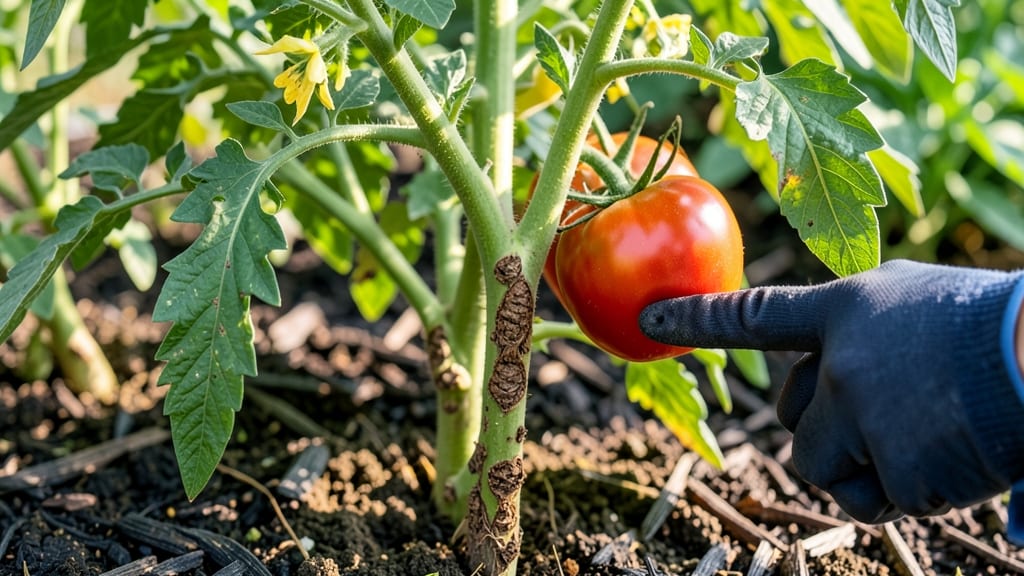
Tomato stems turning brown can turn your summer harvest into a sad memory—unless you act fast. 🌱 The good news? Most cases have simple fixes, and I’ve saved my own plants from disaster with these exact steps after seeing my first brown stems in July.
First, check for watering issues—overwatering or poor drainage causes stems to rot at the base, while underwatering leads to crispy, brown edges. Then inspect for pests like aphids or spider mites hiding in the crevices, or diseases like early blight (those telltale brown spots on lower leaves).
If it’s a fungal problem, prune infected stems immediately and space plants for airflow. You’ll have lush, green stems again in days with the right treatment—whether it’s neem oil for pests, copper fungicide for blight, or just adjusting your watering schedule.
The key is catching it early before the whole plant wilts. Works for container tomatoes, raised beds, or in-ground gardens—just adapt the fix to your setup. Let’s get those plants back to thriving!
Root Causes Behind Stem Discoloration
When your tomato stems start turning brown, it’s often a clear signal that something’s amiss—whether it’s environmental stress, disease, or even human error. Understanding the why behind this issue is the first step to saving your plants.
Below, we break down the most common culprits, backed by science, so you can diagnose the problem like a pro.
Tomatoes thrive in warmth, but too much direct sunlight—especially during scorching afternoons—can cause solar stress. When stems are exposed to intense UV rays, their cells can oxidize, leading to brown, crispy patches. This is most common in:
- Greenhouse-grown tomatoes with unfiltered sunlight.
- Young plants not yet acclimated to full sun.
- Plants with thin or hairless stems (varies by variety).
Why it happens: The plant’s protective cuticle (a waxy layer) breaks down under extreme heat, exposing underlying tissues to dehydration. Think of it like getting a sunburn—your skin turns red, and so do your tomato stems!
Water is the lifeblood of tomatoes, but improper hydration can turn stems brown in two ways:
🔥 Underwatering (Drought Stress)
When soil dries out, tomato stems wilting causes cellular collapse in the vascular system. The stems absorb less water, leading to:
- Brown, leathery patches (often starting at the base).
- Blossom-end rot (a related issue where fruit also browns).
- Stems that snap easily when bent.
Why it happens: The plant’s xylem (water-conducting tissues) fails to transport moisture efficiently, causing oxidative damage to stem cells.
🌊 Overwatering (Root Rot & Fungal Pressure)
Soggy soil suffocates roots, leading to anaerobic conditions where harmful fungi (like Phytophthora) thrive. Brown, mushy stems near the soil line are a red flag for:
- Root rot (stems darken and collapse).
- Fungal infections spreading upward.
- Weak structural integrity (plants topple easily).
Why it happens: Excess moisture disrupts oxygen uptake in roots, triggering ethylene gas production—a stress hormone that accelerates cell death in stems.
Pathogens love stressed tomatoes. If your stems are brown, stringy, or oozing, you’re likely dealing with an infection. The two most common culprits:
🍄 Early Blight & Late Blight
Early blight (Alternaria solani) causes:
- Brown, concentric rings on stems/leaves.
- Target-like lesions that spread upward.
Late blight (Phytophthora infestans) is worse:
- Dark, greasy-looking spots that rot stems rapidly.
- Can kill plants in days if unchecked.
Why it happens: These fungi infect through wounds (like pruning cuts) and thrive in humid, warm conditions (70–80°F). They secrete cellulolytic enzymes that break down stem tissues.
🦠 Bacterial Wilt (Ralstonia solanacearum)
This devastating bacteria clogs a plant’s xylem vessels, turning stems brown and wilting—even when soil is wet. Look for:
- Vascular discoloration (cut a stem to see brown streaks).
- Sudden collapse of otherwise healthy plants.
Why it happens: Bacteria multiply in root wounds and block water flow, causing oxygen deprivation in stem cells.
Tomato stems aren’t indestructible. Mechanical stress from pruning, wind, or pests can trigger browning:
- Rough pruning (tearing stems instead of cutting) creates entry points for pathogens.
- Windburn (common in greenhouses) dries out stems, causing necrotic tissue.
- Pest damage (e.g., hornworms chewing stems) exposes vascular tissues to air.
Why it happens: Damaged cells lose moisture rapidly, and the plant’s abscisic acid (a stress hormone) accelerates browning to seal off the injury.
Now that you know the why, the next step is fixing it. Stay tuned for actionable solutions to revive your tomato plants—no matter the cause!
Fixing Brown Tomato Stems Fast
Brown or discolored tomato stems can be frustrating, but the good news is that most issues have simple, effective fixes. Below, we’ve mapped out practical solutions for each common cause—plus prevention tips to keep your plants thriving. Let’s get your tomatoes back to vibrant health!
Fix: Adjust your watering routine and improve soil aeration.
- 🔥 Step 1: Let the top 1–2 inches of soil dry out between waterings. Stick your finger in the soil—if it’s soggy, hold off!
- 🍳 Step 2: Ensure pots or garden beds have drainage holes (if container-grown) or amend heavy clay soil with compost or perlite to prevent waterlogging.
- 👨🍳 Step 3: Water deeply but less frequently—aim for the roots, not the leaves, to avoid fungal issues.
💡 Prevention Tip: Mulch around the base with straw or wood chips to regulate moisture and reduce evaporation.
Fix: Isolate affected plants, apply fungicides, and improve airflow.
- 🔪 Step 1: Prune and remove brown, mushy, or spotted stems immediately—do not compost them (dispose in a sealed bag).
- 🥘 Step 2: Spray with a copper-based fungicide (like copper soap) or a baking soda solution (1 tsp baking soda + 1 quart water + a drop of dish soap) every 7–10 days for prevention.
- ⏰ Step 3: Space plants 18–24 inches apart and prune lower leaves to encourage airflow. Avoid overhead watering.
🌡️ Prevention Tip: Rotate crops—don’t plant tomatoes in the same spot yearly. Solarize soil in late summer (cover with clear plastic for 4–6 weeks) to kill fungal spores.
Fix: Shield plants from extreme heat and provide afternoon shade.
- 🌿 Step 1: Install shade cloth (30–50%) over plants during peak sun (11 AM–3 PM), especially in hotter climates.
- 💦 Step 2: Mulch heavily (3–4 inches) to cool soil roots and retain moisture.
- 🌱 Step 3: Water deeply in the morning to help plants absorb moisture before the heat peaks.
🎯 Prevention Tip: Choose heat-tolerant varieties like ‘Solar Fire’ or ‘Heatmaster’ if you live in a hot region.
Fix: Remove pests manually or use natural repellents.
- 🔍 Step 1: Inspect stems and leaves for tiny bugs, webbing, or chewed edges. Knock off pests with a strong stream of water or neem oil spray.
- 🍋 Step 2: Spray with insecticidal soap (mix 2 tbsp castile soap + 1 quart water) or homemade garlic spray (blend 2 garlic cloves + 1 tsp cayenne + 1 quart water; strain and spray).
- 🌿 Step 3: Introduce beneficial insects like ladybugs or lacewings to control pests naturally.
✨ Prevention Tip: Row covers (fine mesh) can block pests while allowing sunlight and water through.
Fix: Amend soil with targeted fertilizers and organic matter.
- 📊 Step 1: Test your soil (kit from garden centers works) to confirm deficiencies.
- 💪 Step 2: For yellowing/brown stems (nitrogen), apply compost, fish emulsion, or a balanced 10-10-10 fertilizer.
- 🍎 Step 3: For weak stems (potassium), use banana peel tea (soak peels in water for 2 days) or wood ash (sprinkle lightly around the base).
🌱 Prevention Tip: Side-dress plants with compost every 4–6 weeks to maintain nutrients.
Fix: Support stems and protect plants from harsh conditions.
- 🌪️ Step 1: Stake or cage tomato plants early to prevent wind rock or stem bending.
- 🛡️ Step 2: Use row covers or cloches (glass jars) in early spring/late fall to shield from hail or frost.
- 👨🌾 Step 3: Handle stems gently—avoid rough pruning or tugging when harvesting.
💡 Prevention Tip: Plant in sheltered spots (near fences or walls) to reduce wind exposure.
- 🌿 Trim back severely damaged stems with sterilized pruners (wipe with rubbing alcohol).
- 💧 Give plants a "soak" treatment—water deeply for 10–15 minutes to flush out toxins.
- 🌱 Monitor daily—healthy stems should firm up within 3–7 days with proper care.
Final Thought: Most brown stem issues are reversible with quick action! Focus on water, airflow, and pest control, and your tomato plants will bounce back stronger than ever. 🍅✨
Frequently asked questions
Why do tomato stems turn brown at the base but the leaves stay green?
This usually signals root rot or overwatering. When roots can't absorb enough oxygen, they release ethylene gas, which causes stem cells to die and turn brown. The leaves stay green because the plant is still photosynthesizing, but the stems lose structural integrity. Check for soggy soil—if it smells musty, reduce watering immediately.
Can I save a tomato plant if the stem is completely brown and mushy?
It depends on how deep the damage goes. If only the outer layer is affected, prune back to healthy green tissue and treat with a copper fungicide to prevent spread. However, if the stem is hollow or collapses when touched, the plant is likely beyond saving. Focus on preventing the issue in nearby plants by improving airflow and drainage.
Is brown stem a sign of blight, or could it be something else?
Brown stems can indicate early blight (concentric rings) or late blight (greasy, dark spots), but they can also result from solar scorch (crispy, dry patches) or nutrient deficiencies (weak, yellowing stems). To diagnose: Check for leaf spots (blight), inspect stems for wetness (rot), or look at soil moisture (underwatering).
How often should I check my tomato plants for early signs of stem issues?
Inspect your plants 2–3 times per week during growing season. Focus on the stem base, leaf undersides, and soil line—these are common trouble spots. Early detection lets you act before problems spread. Use a magnifying glass to spot tiny fungal spores or pest eggs if you suspect an infection.
Will pruning brown stems help or make the problem worse?
Pruning only helps if you remove infected tissue completely. Cut 1–2 inches below the brown area with sterilized shears, and dispose of clippings in a sealed bag (not compost). Avoid pruning during wet weather, as open wounds invite fungal infections. For severe cases, prune in dry, sunny conditions to speed healing.