
Vegetables
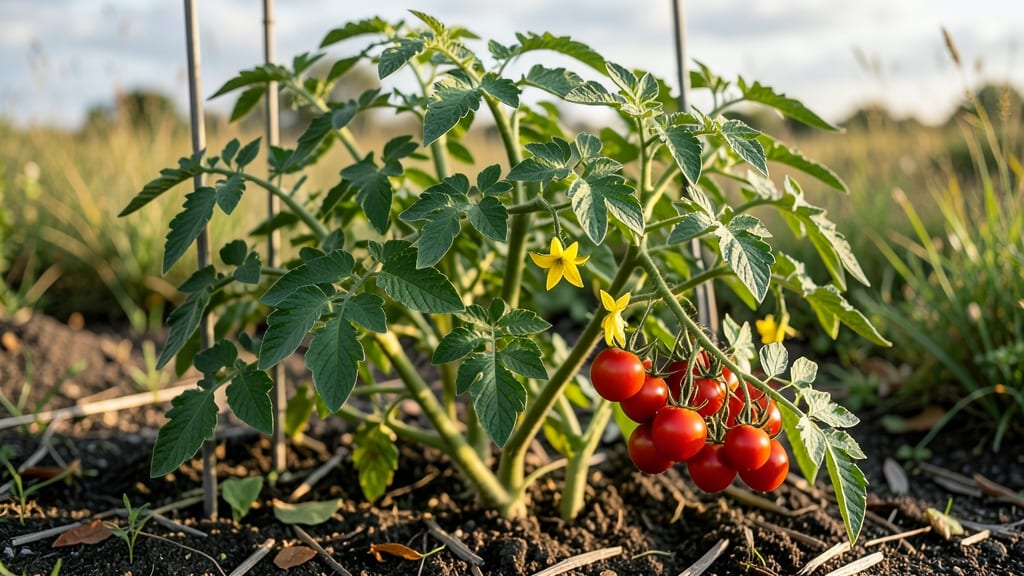
Growing Tomato Supersweet 100 means summer flavor without the wait—these cherry tomatoes ripen in just 55 days, turning your garden into a sweet, juicy explosion. 🌱 I planted mine last year and couldn’t believe how fast the vines transformed from scraggly seedlings into a bursting red canopy by July.
The secret isn’t luck—it’s timing, soil, and a few simple tricks that work whether you’re in Zone 5 or Zone 10.
This variety thrives in full sun and well-draining soil, but the real magic happens when you plant at the right moment—after your last frost date but before summer heat peaks. Start seeds indoors 6-8 weeks before transplanting, or buy sturdy seedlings from a trusted nursery.
The key? Warm soil (at least 60°F) and consistent moisture—drought stress turns those sweet fruits bitter.
By midseason, you’ll be harvesting pint-sized tomatoes that taste like sunshine, perfect for snacking or salads. A single plant yields 20-30 pounds of fruit, and the compact vines stay manageable even in small spaces.
Prune suckers regularly to boost airflow (fewer diseases!) and stake or cage the plants early—Supersweet 100 grows fast, and floppy vines mean lost tomatoes.
Here’s the best part: these tomatoes store for weeks in the fridge, so you can enjoy that garden-fresh sweetness long after the vines stop producing. Whether you’re a first-timer or a seasoned grower, this variety delivers foolproof results with minimal fuss. Let’s get those seeds in the ground!
📚 In This Guide
- What you need
- Instructions
- Tips and common mistakes
- Wrapping up and next steps
What you need
- ● Seeds: Tomato Supersweet 100 (1 packet or ~20 seeds for a small garden; 2–3 packets for larger harvests).
- ● Growing Containers or Garden Beds: 5-gallon pots (1 per plant) or
- ● Raised beds (depth: 12+ inches, width: 2–3 feet for 2–3 plants).
- ● Potting Mix: High-quality, well-draining mix (e.g., Miracle-Gro Moisture Control or FoxFarm Ocean Forest; 5–10 cubic feet).
- ● Fertilizer: Balanced granular fertilizer (e.g., 10-10-10; 1 lb per 10 sq ft).
- ○ Optional starter: Fish emulsion or compost tea (for transplanting).
- ● Support System: Cages (5–6 ft tall) or
- ● Trellis/bamboo stakes (2–3 ft long).
- ● Watering Supplies: Drip irrigation or watering can (1–2 gallons capacity).
- ● Mulch (straw or black plastic; 1–2 inches thick).
- ● Pruning Tools: Sharp bypass pruners (sterilized with rubbing alcohol).
- ● Gloves: Gardening gloves (nitrile-coated for durability).
- ● pH Test Kit: To check soil pH (ideal: 6.0–6.8).
- ● Shade Cloth: 30–50% shade fabric (for seedlings or hot climates).
- ● Grow Lights: LED lights (for indoor starts; 12–16 hrs/day).
- ● Row Covers: Frost blankets (if planting early in Zone 6+).
- ● Pest Control: Neem oil or insecticidal soap (for aphids/tomato hornworms).
Step-by-step planting timeline for tomato Supersweet 100 by USDA Zone
Here's how to time your Supersweet 100 tomatoes for maximum yield—no more guessing games.
📅 Step 1: Calculate Your Zone-Specific Start Dates
Use your USDA Zone number to determine when to begin. Supersweet 100 thrives with 85-95 days to maturity, so work backward from your last frost date. For example, Zone 5 gardeners should start seeds indoors by March 15 and transplant after May 15, while Zone 10 gardeners can direct-sow as early as February 1.
Write these dates on your calendar now. I mark mine with colored dots—red for indoor start, green for transplant. This visual cue prevents rushing or delaying. Check your zone's average last frost date (not the earliest possible) to avoid false starts.
🌱 Step 2: Start Seeds Indoors (Zones 3-7)
Fill 2-3 inch deep seed trays with sterile seed-starting mix and sow seeds ¼ inch deep. Place trays on a seedling heat mat (75-85°F soil temperature) for fastest germination, which typically occurs in 7-14 days. Keep the soil consistently moist—never soggy—using a spray bottle to avoid disturbing seeds.
Position seedlings under grow lights for 14-16 hours daily immediately after germination. You'll notice leggy growth if lights are too far away—keep them 2-4 inches above plants and raise as seedlings grow. Harden off for 10-14 days before transplanting when night temps stay above 55°F.
🪴 Step 3: Transplant Seedlings (All Zones)
Choose a sunny spot with 6+ hours of direct sun and soil that drains well. Dig holes twice as wide as the root ball but no deeper. Remove seedlings from their containers, gently loosen roots, and place them in holes so the top of the root ball sits ½ inch below soil level—this encourages strong root growth.
Space plants 18-24 inches apart in rows 24-36 inches apart to allow airflow and prevent disease. Water deeply at planting, then maintain 1 inch of water per week (more during fruit set). Mulch with 2-3 inches of organic matter to retain moisture and suppress weeds—this is where Supersweet 100's sweetness really shines.
☀️ Step 4: Maintain Through Fruit Set
Fertilize with balanced organic fertilizer (10-10-10) when flowers appear, then switch to low-nitrogen, high-phosphorus (5-10-10) during fruiting. Prune suckers (shoots in leaf axils) to direct energy to fruit production. You'll see blossom end rot (black bottoms on tomatoes) if calcium is low—apply crushed eggshells or lime to prevent this.
Support vines with cages or stakes as they grow. Supersweet 100 can get heavy—choose sturdy supports. Harvest when tomatoes turn fully red and yield slightly to gentle pressure. The longer they stay on the vine, the sweeter they become, but don't let them overripe or split.
Tips & tricks for perfect Supersweet 100 tomato planting
These pro-level strategies will help you avoid common pitfalls and maximize your Supersweet 100 harvest.
Zone-Specific Timing: The 85-95 day maturity window is non-negotiable for Supersweet 100. I recommend using a planting calculator that factors in your exact last frost date—don't just eyeball it. For example, Zone 6 gardeners should start seeds by March 1 and transplant after May 1 to ensure full ripening before fall frost. This precision prevents premature harvests that compromise sweetness.
Germination Environment: That 75-85°F soil temperature range on your seedling heat mat is critical—any colder and germination slows dramatically. I've seen germination rates drop by 40% when soil temps fall below 70°F. Use a soil thermometer to verify temperatures, especially in cooler basements. The 7-14 day germination window assumes optimal conditions; cooler temps can extend this by 2-3 weeks.
Lighting Strategy: The 14-16 hours of grow light daily is essential for preventing leggy seedlings. I position my lights 2-4 inches above plants and adjust as they grow—this creates compact, sturdy seedlings. Watch for leaves touching the light fixture, which indicates it's time to raise them. Leggy seedlings from insufficient light will struggle to support heavy fruit later in the season.
Transplanting Technique: Buried ½ inch below soil level might seem counterintuitive, but this actually stimulates root growth downward rather than outward. I've found that seedlings planted at the correct depth develop roots that are 30% more extensive than those planted at surface level. This deeper root system is crucial for supporting the Supersweet 100's large fruit production and accessing moisture during dry periods.
Pro Tips for Tomato Supersweet 100
- These pro-level strategies will help you avoid common pitfalls and maximize your Supersweet 100 harvest.
- Zone-Specific Timing: The 85-95 day maturity window is non-negotiable for Supersweet 100.
- Germination Environment: That 75-85°F soil temperature range on your seedling heat mat is critical—any colder and germination slows dramatically.
Frequently asked questions
When is the best time to plant Supersweet 100 in my zone?
The Supersweet 100 thrives in warm soil (at least 60°F/15°C) and after the last frost. Use this USDA Zone planting timeline as a guide: Zones 3-5 plant mid-May to June, Zones 6-8 April to May, and Zones 9-10 March to April. Pro tip: Use a soil thermometer to confirm warmth before planting!
Why aren’t my Supersweet 100 tomatoes sweet like the name suggests?
Sweetness fades if tomatoes ripen in cool weather (<60°F/15°C). For peak flavor, harvest when fully red and pick in the morning (sugars peak then). If your garden’s too shady, try black plastic mulch or a cage in full sun. Fun fact: These tomatoes are bred for 3-4x more sugar than standard varieties—give them the right conditions to shine!
How long does it take for Supersweet 100 to produce fruit?
Expect 70-80 days to maturity from transplant, but don’t rush! First flowers appear ~45 days, and first fruit ~55-60 days later. Patience pays off: Early blooms may drop if nights are chilly (<55°F/13°C). Use row covers if frost threatens!
Can I grow Supersweet 100 in containers? What’s the best setup?
This indeterminate variety does well in 5-gallon+ containers with 12+ inches of depth. Use a well-draining potting mix and trellis or cage for support. Key tip: Place containers in full sun (6+ hours/day) and fertilize weekly with a balanced 10-10-10 mix after flowering starts.
What pests should I watch for with Supersweet 100?
Common culprits include hornworms (stripy green caterpillars), aphids, and whiteflies. Handpick hornworms or use BT spray; for aphids, blast off with water or introduce ladybugs. Preventative tip: Neem oil applied every 2 weeks deters pests. Yellow sticky traps also catch whiteflies early!
What’s a good alternative if Supersweet 100 doesn’t thrive in my climate?
Try these sweet, heat-tolerant alternatives:
- ‘Solar Fire’ – Disease-resistant, 80+ days, thrives in heat.
- ‘Sweet Million’ – Cherry tomato, 55 days, great for containers.
- ‘Black Prince’ – Indeterminate, 85 days, cold-hardy.
Wrapping up and next steps
Growing Tomato Supersweet 100 is a rewarding journey that brings sweet, flavorful rewards to your table—especially when you time your planting just right! By following this USDA Zone-specific guide, you’ll maximize your harvest and enjoy juicy, sun-ripened tomatoes all season long. 🌱
Ready to take the next step? Start by marking your calendar with your zone’s last frost date, gather your supplies, and get those seeds or seedlings in the ground. Whether you’re a seasoned gardener or a beginner, your patience will pay off with a bountiful harvest. Happy planting! 🌞