
Vegetables
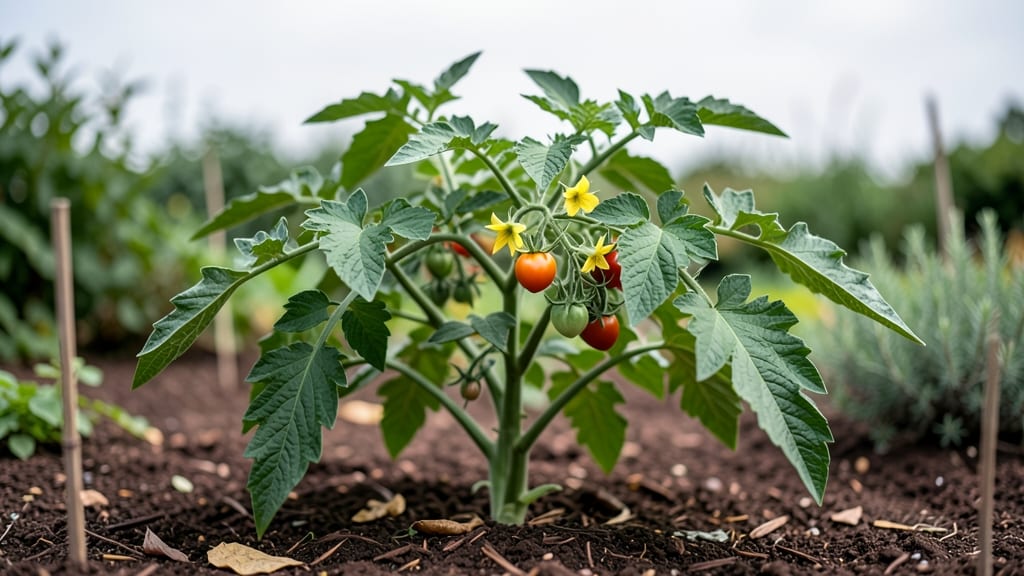
Growing tomatoes and sweet potatoes together isn't just smart—it's a pest-control power duo that turns your garden into a self-defending ecosystem. 🌱 I learned this after my tomato plants got decimated by hornworms last summer, and now I swear by this pairing for both flavor and protection.
Sweet potato leaves act as a natural repellent while their sprawling vines provide shade that keeps soil moist and tomatoes thriving.
The secret lies in their teamwork: sweet potatoes deter pests like aphids and whiteflies, while their deep roots improve soil structure—perfect for tomatoes that need steady nutrients.
You’ll need full sun (6-8 hours daily), well-draining soil, and 3-4 feet of spacing between plants to give vines room to spread without crowding. Containers work too, as long as they’re at least 12 inches deep for the tubers.
By midseason, you’ll harvest fragrant sweet potato leaves for stir-fries while your tomatoes burst with flavor—no pesticides needed. The vines stay manageable with occasional pruning, and the tubers mature by frost.
Just watch for powdery mildew on leaves (spray with neem oil) and overwatering (sweet potatoes hate soggy roots).
This combo works in raised beds, in-ground plots, or large containers, making it ideal for small spaces. Once you try it, you’ll never plant them separately again—they’re the ultimate low-maintenance, high-reward garden partnership.
📚 In This Guide
- What you need
- Instructions
- Tips and common mistakes
- Wrapping up and next steps
What you need
- ● Sweet Potatoes: 6–10 slips or small tubers (organic, disease-free preferred)
- ● Slips should have 4–6 inches of stem and roots (~1 inch long)
- ● Tomato Plants: 4–6 healthy seedlings or transplants (determinate or indeterminate varieties)
- ● Choose disease-resistant varieties (e.g., 'Celebrity,' 'Roma,' or 'Cherry Tomatoes')
- ● Soil: Well-draining, fertile soil (pH 6.0–6.8)
- ● Compost or aged manure (2–3 inches mixed into top 12 inches of soil)
- ● Balanced organic fertilizer (e.g., 5-5-5 or 10-10-10, 1–2 lbs per 100 sq ft)
- ● Growing Space: Full sun (6–8+ hours daily)
- ● Raised beds, in-ground plots, or large containers (minimum 12" deep)
- ● Basic Tools: Garden trowel or transplanting spade
- ○ Gloves (optional but recommended)
- ● Watering can or hose with gentle spray nozzle
- ● Mulch (straw, leaves, or grass clippings, 2–3 inches thick)
- ○ Optional (But Helpful!): Row covers or lightweight shade cloth (for early planting)
- ● Pest deterrents (neem oil, diatomaceous earth, or companion plants like basil)
- ● Soil test kit (to check pH and nutrient levels)
- ● Trellis or stakes (for tomato support, if needed)
Step-by-step instructions for planting tomatoes and sweet potatoes together
Here’s how to pair these two crops for healthier plants and fewer pests—no fancy tools needed.
🌱 Step 1: Plan Your Layout for Maximum Compatibility
Sweet potatoes thrive in loose, well-draining soil, while tomatoes need consistent moisture and nutrients. Start by selecting a sunny, sheltered spot that gets at least 6-8 hours of direct sun daily. I like to dedicate one raised bed or garden section to this pairing, spacing rows 18 inches apart to allow airflow and easy access.
Tomatoes should be planted in the north side of the bed to avoid shading the sweet potatoes, which need full sun for tuber development. If space is tight, stagger the plants so their canopies don’t compete—tomatoes can grow 3-5 feet tall, while sweet potatoes spread horizontally. Mark the layout with stakes or string to visualize the final spacing before planting.
🪴 Step 2: Prepare the Soil for Both Crops
Sweet potatoes require loose, sandy soil with a pH between 5.8 and 6.5, while tomatoes prefer fertile, slightly acidic soil (pH 6.2-6.8). Mix 2-3 inches of compost into the top 12 inches of soil to improve drainage for sweet potatoes and nutrient retention for tomatoes. Avoid fresh manure—it can harbor diseases like early blight that tomatoes are susceptible to.
For extra pest control, work in 1 cup of diatomaceous earth per 4 square feet of bed. This natural powder disrupts the exoskeletons of pests like flea beetles and aphids without harming your plants. Water the bed deeply 24 hours before planting to help the soil settle and prevent compaction.
☀️ Step 3: Plant Tomatoes and Sweet Potatoes at the Right Time
Sweet potatoes need warm soil to germinate—wait until the ground reaches at least 65°F before planting. Plant slips (young plants) 1 inch deep, spacing them 12-18 inches apart in rows. Tomatoes can go in 2-3 weeks after the last frost, once soil temperatures stabilize above 50°F. Bury tomato seedlings deeper than usual, up to their first set of true leaves, to encourage strong root growth.
Here’s the trick: plant sweet potatoes first, then add tomatoes around them. The sweet potatoes will spread and shade the soil, helping retain moisture for the tomatoes while deterring weeds. Mulch heavily with straw or grass clippings (not wood chips—they can mat and suffocate sweet potato vines) to keep the soil warm and suppress pests like cucumber beetles, which attack both crops.
💧 Step 4: Water and Maintain for Pest-Resistant Growth
Sweet potatoes need deep, infrequent watering—1 inch per week—while tomatoes prefer consistent moisture, especially during fruiting. Use drip irrigation or soaker hoses to deliver water directly to the roots, reducing fungal risks. Water in the early morning to let foliage dry quickly, which discourages diseases like powdery mildew and early blight.
Watch for hornworms on tomatoes and sweet potato weevils—both pests can devastate crops. Handpick hornworms (they’re easy to spot with their green, striped bodies) and drop them in soapy water. For weevils, cover sweet potato vines with row fabric in late summer if your region has a history of infestations. The tomatoes act as a trap crop, drawing pests away from the sweet potatoes.
✂️ Step 5: Harvest and Extend the Season Together
Sweet potatoes are ready to harvest 90-120 days after planting, when their vines turn yellow and die back. Gently dig around the plant with a fork, lifting tubers carefully to avoid bruising. Tomatoes can be harvested 60-85 days after transplanting, depending on the variety. Pick them when fully colored and slightly soft to the touch—this encourages more fruit to set.
After harvesting sweet potatoes, leave the tomato plants in place until they’re fully defoliated by frost. The dying foliage provides natural mulch, protecting the soil and suppressing weeds. If you’re in a warm climate, extend the season by planting a fall crop of bush beans between the tomato stakes—they’ll fix nitrogen in the soil for next year’s sweet potatoes.
Tips & tricks for perfect tomato-sweet potato pairings
This companion planting strategy works best when you leverage each plant's strengths to create a self-sustaining ecosystem. Here's how to maximize their natural benefits without sacrificing either crop's potential.
Sunlight Strategy: The 6-8 hours of daily sunlight requirement is non-negotiable for both crops, but here's the key: position your tomato plants on the north side to prevent shading while still allowing them to benefit from the sweet potatoes' natural mulching effect. I've found that staggering plants creates microclimates where tomatoes get morning sun while sweet potatoes enjoy afternoon warmth without competition. This positioning also helps tomatoes maintain their ideal 6.2-6.8 pH soil range while sweet potatoes thrive in their preferred 5.8-6.5 range.
Soil Preparation Secret: The 2-3 inches of compost recommendation is perfect, but don't stop there—amend the soil with 1 part perlite to 3 parts compost for sweet potatoes to create that ideal loose, sandy texture. For tomatoes, mix in 1/4 cup of bone meal per plant during planting to provide phosphorus for root development. This dual amendment approach satisfies both crops' needs while creating a nutrient-rich environment that supports their symbiotic relationship.
Planting Sequence Matters: Planting sweet potatoes first creates a living mulch that retains moisture for tomatoes while suppressing weeds. Here's my pro tip: after planting sweet potatoes, create small trenches around their base before adding tomatoes. This allows tomato roots to access deeper moisture while protecting sweet potato tubers from drying out. The 12-18 inch spacing between sweet potato slips gives them room to spread and form that protective canopy we want.
Pest Management Upgrade: While diatomaceous earth is excellent, I've had even better results with a two-layer approach: apply 1 cup per 4 square feet as instructed, then add a second layer of food-grade kaolin clay (1/4 cup per 4 square feet) 10 days later. This creates a protective barrier that repels both flea beetles and aphids while also reflecting sunlight to deter weevils. The clay also helps maintain that critical soil temperature above 65°F for sweet potatoes during germination.
Pro Tips for Tomato Sweet Potato
- This companion planting strategy works best when you leverage each plant's strengths to create a self-sustaining ecosystem.
- I've found that staggering plants creates microclimates where tomatoes get morning sun while sweet potatoes enjoy afternoon warmth without competition.
- Soil Preparation Secret: The 2-3 inches of compost recommendation is perfect, but don't stop there—amend the soil with 1 part perlite to 3 parts compost for sweet potatoes to create that ideal loose, sandy texture.
Frequently asked questions
Can sweet potatoes and tomatoes grow well together in the same garden bed?
Yes! These plants are fantastic companions. Sweet potatoes improve soil structure with their deep roots, while tomatoes deter pests like nematodes and aphids that might target sweet potatoes. Just give them space—sweet potatoes need room to sprawl, while tomatoes thrive with staking or caging. Pro tip: Plant tomatoes near the edges of the bed to maximize airflow and reduce disease risk.
How long does it take for tomato-sweet potato pairings to show benefits?
You’ll start seeing perks early! Tomatoes may show fewer pests within weeks of sweet potatoes taking root, thanks to their natural repellent properties. Sweet potatoes, however, need 90–120 days to mature fully. For the fastest results, focus on pest control—you’ll notice a difference in 4–6 weeks if aphids or nematodes were previously a problem.
What if my sweet potatoes aren’t thriving near tomatoes? Troubleshooting tips?
Sweet potatoes might struggle if they’re too crowded or not getting enough sun (they need 6–8 hours/day). Check for:
- Yellowing leaves: Could mean overwatering or poor drainage. Sweet potatoes hate soggy roots!
- Stunted growth: Thin out competing plants or add compost to boost nutrients.
- Pests (like flea beetles): Tomatoes can help, but add row covers early if needed.
Are there other veggies I can plant with tomatoes and sweet potatoes?
This trio plays well with others. Try adding:
- Basil: Repels pests and boosts tomato flavor.
- Marigolds: Deter nematodes (a sweet potato nemesis).
- Peppers: Share similar care needs and deter some pests.
- Avoid: Fennel, brassicas (like cabbage), or potatoes—these can compete or attract shared pests.
Can I harvest sweet potatoes and tomatoes at the same time?
Timing matters! Sweet potatoes are ready to harvest when their vines yellow and die back (usually late fall). Tomatoes, however, ripen summer to early fall. To avoid overcrowding, harvest sweet potatoes first once tomato production slows. Leave a few sweet potatoes in the ground if frost isn’t imminent—they’ll sweeten as they cure!
Wrapping up and next steps
Ready to transform your garden into a thriving, pest-resistant paradise? 🌱 Tomato and sweet potato companion planting isn’t just smart—it’s a game-changer for organic growers! By leveraging their natural synergy, you’ll enjoy healthier plants, fewer pests, and bountiful harvests with minimal effort.
Start small this season, experiment with spacing and varieties, and watch your garden flourish.
Your next step? Plant a patch today! 🌿 Grab some seeds, mark your garden plot, and let nature do the rest. Happy growing—and may your tomatoes and sweet potatoes become the envy of the neighborhood!