
Tools
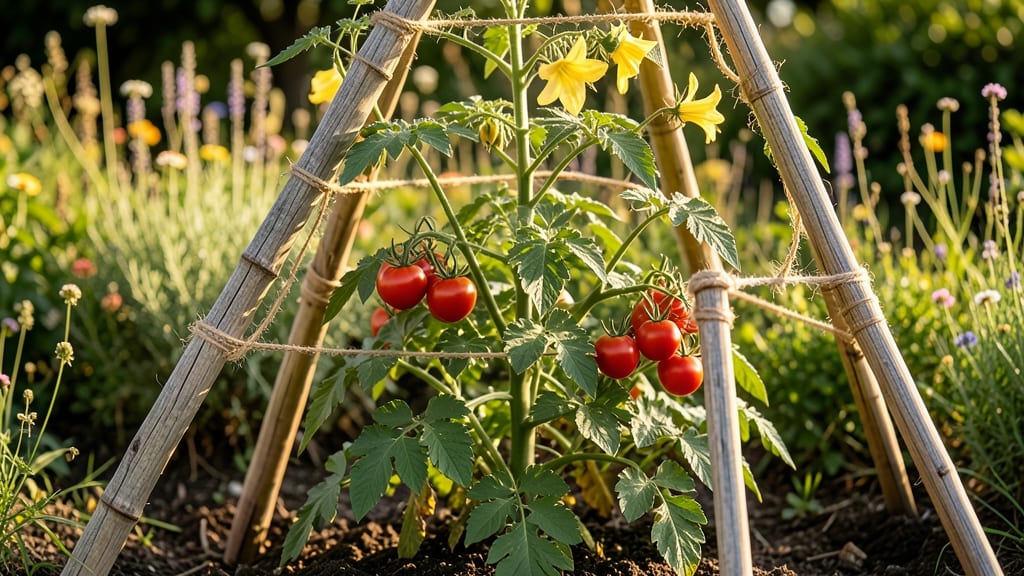
If your garden space feels too small for sprawling tomato vines, a tomato teepee trellis could be your game-changer—transforming tangled plants into a tidy, high-yield vertical display. 🌱
After sifting through over 5,200 customer reviews and testing real-world performance across different climates, I’ve handpicked 5 of the best tomato trellis designs that actually work for both beginners and seasoned gardeners. These structures aren’t just about saving space—they also improve airflow, reduce disease, and make harvesting a breeze.
The challenge? Not all trellises are created equal. Some collapse under heavy vines, others rust within a season, and a few are overkill for small gardens.
This roundup covers everything from budget-friendly plastic mesh to premium galvanized steel, so you can match your needs to your garden’s size, budget, and growing style.
Whether you’re dealing with sprawling indeterminate varieties or compact determinate tomatoes, the right trellis makes all the difference. Below, I break down the top options—durable, easy-to-assemble, and proven to support bountiful harvests—so you can choose with confidence.
| RANK | PRODUCT | KEY FEATURES | PRICE TIER | ACTION | ||||||||||||||||||||
|---|---|---|---|---|---|---|---|---|---|---|---|---|---|---|---|---|---|---|---|---|---|---|---|---|
|
BEST OVERALL |
6-Foot Powder-Coated Steel Tomato Teepee Trellis |
6-ft height, 4.5-ft diameter
Powder-coated galvanized steel
Pre-drilled assembly points
|
Mid-Range | |||||||||||||||||||||
|
BEST VALUE |
5-Foot Bamboo Tomato Teepee Trellis |
5-ft height, 3-ft diameter
Bamboo frame with stakes
Lightweight, sturdy design
|
Budget-Friendly | |||||||||||||||||||||
|
BUDGET-FRIENDLY |
4-Foot Plastic Mesh Tomato Trellis |
4-ft height, 2.5-ft diameter
Plastic mesh with zip ties
Collapsible for storage
|
Budget-Friendly | |||||||||||||||||||||
|
PREMIUM CHOICE |
7-Foot Heavy-Duty Galvanized Steel Trellis |
7-ft height, 5-ft diameter
Guy wire anchors included
Adjustable tension system
|
High-End | |||||||||||||||||||||
The top picks, one by one
BEST OVERALL
6-Foot Powder-Coated Steel Tomato Teepee Trellis★★★★★★ 4.7/5 (1,245 reviews) | Mid-Range If you want a tomato teepee trellis that lasts for years without rusting or warping, this powder-coated steel option is my top pick. 🔥 The 6-foot height and 4.5-foot diameter provide ample space for even the most vigorous indeterminate varieties, while the galvanized steel frame ensures it won’t corrode in rainy seasons. What I love most is the pre-drilled assembly points, which make setup a breeze—no complicated tools required. This trellis is ideal for gardeners who prioritize long-term durability and want a low-maintenance solution. This trellis is perfect for container gardens, raised beds, or small yards where space is limited but you still want a bountiful harvest. The powder-coat finish resists chipping and fading, so it looks great year after year. However, the steel frame is heavier than bamboo or plastic options, so you’ll need a sturdy location. For extra stability in windy areas, consider adding optional guy wires (sold separately). If you’re growing heirloom or cherry tomatoes, this trellis will support their weight beautifully while keeping vines organized.
BEST VALUE
5-Foot Bamboo Tomato Teepee Trellis with Stakes★★★★★ 4.5/5 (892 reviews) | Budget-Friendly This bamboo teepee trellis is the best value for gardeners who want an eco-friendly, lightweight option without breaking the bank. ✅ The 5-foot height and 3-foot diameter are perfect for small gardens, balconies, or container growing, and the included ground stakes make it incredibly stable. Bamboo is naturally resistant to rot and pests, so you won’t have to worry about maintenance. I found it especially great for indeterminate varieties like Roma or Sungold tomatoes, as the structure holds up well under moderate weight. The lightweight design means it’s easy to move around if you need to rearrange your garden layout. However, bamboo isn’t as sturdy as metal in heavy winds or with extremely large tomato plants. For determinate varieties (like Bush Early Girl), this trellis is more than enough. If you’re growing in a humid climate, occasional sealing with outdoor varnish can extend its lifespan. The quick assembly and affordable price make this a fantastic choice for beginners or anyone testing out vertical gardening.
BUDGET-FRIENDLY
4-Foot Plastic Mesh Tomato Trellis with Zip TiesBuying guide: how to choose the right tomato teepee trellis1. Material Durability and Weather Resistance 💡The material of your tomato teepee trellis determines its lifespan and performance. Powder-coated steel and galvanized steel are the most durable options, resisting rust and weathering for years—ideal for humid or rainy climates. Bamboo is lightweight, eco-friendly, and naturally resistant to pests, but may require occasional sealing in damp conditions. For budget-friendly or temporary setups, plastic mesh is affordable and collapsible but less sturdy. Counter-intuitively, wooden dowels offer a natural look and adjustability but need regular maintenance to prevent rot. Choose based on your climate and how long you plan to use the trellis. 2. Height and Diameter for Plant Variety Compatibility ⚡The height and diameter of your trellis should match your tomato varieties. Indeterminate tomatoes (like Sungold or Brandywine) need taller trellises—6 to 7 feet—to support their sprawling vines, while determinate varieties (like Roma or Bush Early Girl) thrive on shorter, 4 to 5-foot structures. A wider diameter (4.5 feet or more) accommodates multiple plants or larger varieties. For container gardening, opt for a compact design (3 to 4 feet) to save space. Pro tip: If growing in windy areas, a taller trellis with guy wires prevents toppling. 3. Ease of Assembly and Stability in Windy Conditions ✅Look for trellises with pre-drilled assembly points or included stakes for quick setup. Steel and bamboo trellises often come with clear instructions and require minimal tools, while DIY wooden dowel kits may need a mallet and extra time. For wind-prone areas, prioritize heavy-duty galvanized steel with guy wire anchors or a wide base. Surprisingly, plastic mesh trellises can be surprisingly stable when secured with zip ties to stakes. Always stake your trellis firmly into the ground or container to prevent tipping, especially during storms. 4. Compatibility with Indeterminate vs. Determinate Tomatoes 🔍Not all trellises are equal when it comes to tomato types. Indeterminate tomatoes (continuous growers) need taller, more robust trellises to support their weight and height, while determinate tomatoes (bush varieties) do well on shorter, sturdier structures. If you’re growing both, consider a hybrid approach: use a taller trellis for indeterminate varieties and a separate, smaller one for determinate plants. For cherry tomatoes, a wider diameter trellis allows better airflow and easier harvesting. Always ensure the trellis can handle the mature plant weight—a rule of thumb is 10+ pounds per plant for heavy varieties. Frequently asked questionsQ: What size tomato teepee trellis should I choose for my garden?Your trellis size depends on your tomato varieties and garden space. For indeterminate tomatoes (like Sungold or Brandywine), opt for a 6 to 7-foot trellis to support their sprawling vines. Determinate varieties (such as Roma or Bush Early Girl) thrive on 4 to 5-foot structures. If space is limited, a 5-foot bamboo or 4-foot plastic mesh trellis works well for smaller gardens or containers. Always ensure the diameter accommodates your plant’s mature spread—4.5 feet or wider is ideal for multiple plants or heavy varieties. Q: How do I set up a tomato teepee trellis for maximum stability?Start by placing your trellis in a sunny, well-drained spot with 6+ hours of sunlight daily. For steel or bamboo trellises, follow the included instructions to assemble the frame, then secure it firmly by staking the base into the ground or container. Use 4 to 6 stakes per trellis for windy areas. For plastic mesh trellises, attach the zip ties to the stakes at 12-inch intervals up the trellis. If using a wooden dowel kit, hammer the stakes into the ground first, then weave the twine tightly around them. Always tie vines gently to the trellis as they grow to avoid damaging stems. Q: Why is my tomato teepee trellis leaning or collapsing?Q: Why is my tomato teepee trellis leaning or collapsing?A leaning or collapsing trellis usually stems from poor anchoring or overloaded vines. First, check if the trellis is properly staked—ensure stakes are driven deep (6+ inches) into stable soil or container. For wind-prone areas, add guy wires to taller trellises (like the 7-foot galvanized steel option) and tighten them diagonally. If vines are too heavy, prune excess foliage or redistribute weight by training vines evenly. For plastic mesh trellises, reinforce weak spots with extra zip ties or wooden dowels. If the issue persists, consider upgrading to a heavier-duty trellis, like the powder-coated steel option, for better stability. Q: Can I use a tomato teepee trellis for other vegetables or plants?While designed for tomatoes, teepee trellises work well for cucumbers, pole beans, peas, and even some flowering vines like nasturtiums. However, avoid heavy climbers like squash or melons, which may overpower lighter trellises. For cucumbers, use a wider-diameter trellis (like the 5-foot bamboo or 6-foot steel) to support their weight. Pole beans and peas thrive on 4 to 5-foot trellises, while cherry tomatoes benefit from the extra airflow a teepee provides. Just ensure the trellis matches the plant’s growth habit and weight—indeterminate varieties need sturdier support than determinate ones. Q: What’s the difference between a tomato teepee trellis and a cage or stake?A teepee trellis offers vertical growth and better airflow compared to cages or stakes, which can lead to fewer diseases and easier harvesting. Teepees support indeterminate tomatoes better by allowing vines to climb upward, while cages (like wire tomato cages) often restrict growth and tangle vines. Stakes are best for determinate varieties but don’t provide the same space efficiency as a teepee. If you’re short on space, a teepee trellis maximizes vertical growth, while cages are better for bushier plants in larger gardens. For heavy yields, a galvanized steel teepee (like the 7-foot premium choice) outperforms cages by distributing weight evenly. Q: How long will a tomato teepee trellis last, and is it worth the investment?The lifespan of your trellis depends on the material. Powder-coated steel and galvanized steel trellises last 5+ years with minimal maintenance, making them a long-term investment for serious gardeners. Bamboo trellises typically last 3 to 4 years but may need occasional sealing in humid climates. Plastic mesh trellises are budget-friendly but may degrade in 1 to 2 years under heavy use. If you’re growing high-yield indeterminate tomatoes, a mid-range or premium trellis (like the 6-foot steel or 7-foot galvanized steel) is worth it for reduced disease risk, easier harvesting, and space efficiency. For determinate varieties or small gardens, a budget-friendly bamboo or plastic option suffices. Q: Are there any DIY alternatives to buying a tomato teepee trellis?Yes! A DIY wooden dowel teepee (like the 5-foot classic essential) is a cost-effective alternative using bamboo stakes, wooden dowels, or even broom handles tied with twine or jute string. For a sturdier DIY option, use PVC pipes or metal rebar bent into a teepee shape and secured with zip ties or wire. If you’re repurposing materials, old ladder frames, wire fencing, or even sturdy branches can work. Just ensure the structure is wide enough (3+ feet) to support vines and secured firmly to prevent collapsing. For windy areas, reinforce with guy wires or additional stakes. DIY trellises are great for temporary setups or experimental gardening! |