
Propagation
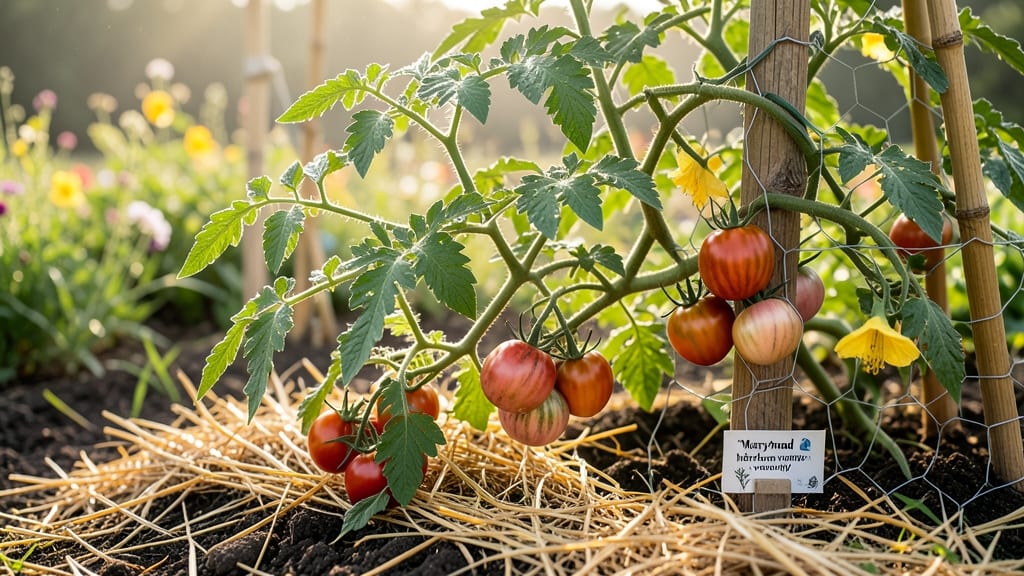
Maryland’s cold-hardy tomato varieties like 'Maryland Mammoth' and 'Cherokee Purple' thrive where most tomatoes fail. 🌱 I’ve grown them for years—these plants handle our humid summers and cooler springs better than anything from seed catalogs. The key? Choosing varieties bred for Mid-Atlantic heat, humidity, and shorter growing seasons.
These tomatoes don’t just survive—they produce heirloom-quality fruit in just 70 days from transplant, beating the clock before early fall. 'Maryland Mammoth' gives you beefsteak-sized slices, while 'Cherokee Purple' delivers deep, smoky flavors. Both resist common diseases like early blight and fusarium wilt, which wreck standard varieties here.
You’ll harvest juicy, vine-ripened tomatoes straight from your garden, not the store. The secret is planting after last frost (around mid-May in most of Maryland), using well-draining soil, and spacing plants 18-24 inches apart for airflow. Stake them early—they grow tall!
For extra insurance, try 'Celebrity' or 'Better Boy' hybrids, both disease-resistant and proven in local trials. Just watch for hornworms and use row covers if needed. Your Maryland garden will thank you.
📚 In This Guide
- What you need
- Instructions
- Tips and common mistakes
- Wrapping up and next steps
What you need
- ● Seeds: Maryland’s Best heirloom tomato seeds (or a cold-resistant variety like ‘Maryland Red’ or ‘Cherokee Purple’). Start with 3–5 seeds per pot (you’ll thin later!).
- ● Seed-starting mix: 1–2 10-inch pots or a seed tray filled with sterile, well-draining potting soil (avoid garden soil—it’s too dense!).
- ● Grow lights or sunny windowsill: A 12–16 hour daily light source (grow lights are ideal; south-facing windows work too).
- ○ Heat mat (optional but helpful): A seedling heat mat to keep soil at 70–80°F for faster germination.
- ● Spray bottle: For gentle watering (avoid over-saturating seeds!).
- ● Plastic wrap or humidity dome: To retain moisture until germination (5–7 days for most varieties).
- ● Larger containers or garden beds: 5-gallon pots or 12–18 inches of soil depth in the ground (tomatoes need room to grow!).
- ● Balanced fertilizer: A 5-10-10 or 10-10-10 blend (follow package rates for seedlings).
- ● Tomato cages or stakes: 6–8 feet tall (Maryland’s varieties can get lanky!).
- ● Mulch: Straw or black plastic to retain moisture and suppress weeds.
- ● Pruners or scissors: For trimming suckers and harvesting.
- ● Gloves: To protect hands from thorns (some Maryland varieties have ‘em!).
- ○ pH test kit (optional): Aim for 6.0–6.8 soil pH—tomatoes love slightly acidic soil!
- ● Row cover or frost cloth: For early spring/fall protection (Maryland’s chill can sneak up!).
How to grow Maryland's cold-hardy tomato variety successfully
This heirloom thrives in Maryland's climate—here's how to unlock its full potential.
🌱 Step 1: Select the Right Variety and Prepare Seed Starting Mix
Maryland's best cold-hardy tomato is the 'Maryland Mammoth'—a reliable, disease-resistant heirloom that handles the region's humidity and cooler springs better than most. Start seeds indoors 6-8 weeks before your last frost date (typically mid-April for central Maryland). Use a sterile seed-starting mix—never garden soil, which can harbor fungal diseases that will rot tender seedlings.
Fill clean 2-3 inch deep containers with the mix and moisten it until it holds together when squeezed but doesn't drip. I press the soil down lightly to create a firm seedbed—this prevents seeds from sinking too deep during watering. A seedling heat mat set to 75-80°F will give you faster, more uniform germination, especially important for Maryland's unpredictable spring temperatures.
🌱 Step 2: Sow Seeds at Proper Depth and Maintain Ideal Conditions
Plant 2-3 seeds per cell at a depth of ¼ inch—any deeper and they'll struggle to break through. Cover lightly with additional mix and mist gently with water until the surface looks evenly damp. The key here is consistency: Maryland's humidity means you'll need to balance moisture without creating soggy conditions that invite damping-off.
Cover the tray with a clear plastic dome or plastic wrap to retain warmth and moisture. Keep the soil at 70-75°F for optimal germination, which should occur in 7-14 days. Once you see the first true leaves (not the initial seed leaves), remove the dome immediately—trapped humidity around seedlings is a fast track to fungal problems in Maryland's damp climate.
☀️ Step 3: Provide Strong Light and Harden Off Seedlings
Maryland's short growing season demands strong, stocky seedlings. Move your trays under grow lights immediately after germination for 14-16 hours daily. A south-facing window won't cut it—you'll see leggy, weak plants that never recover. Position the lights 2-4 inches above the seedlings and raise them as the plants grow to maintain that distance.
Start hardening off 2 weeks before transplanting by placing seedlings outside in a sheltered spot for 1-2 hours daily. Gradually increase their outdoor time over 7-10 days, watching for signs of stress like wilting or yellowing. Maryland's morning dew and evening chill can shock unacclimated plants, so end each day with a gentle watering to help them recover.
🪴 Step 4: Transplant and Support for Maximum Yield
Transplant seedlings outdoors after all danger of frost has passed and soil temperatures reach 60°F—typically late April to early May in most of Maryland. Bury stems deeply (up to the first true leaves) to encourage strong root development. Install cages or stakes immediately—the 'Maryland Mammoth' can grow 6-8 feet tall and needs support to prevent sprawling in Maryland's humid conditions.
Mulch heavily with 3-4 inches of straw or shredded leaves to retain moisture and suppress weeds. This is crucial in Maryland's hot summers where soil can dry out quickly. Water at the base deeply once weekly rather than daily shallow waterings—this encourages deep root growth that helps the plant withstand Maryland's occasional drought periods.
✂️ Step 5: Prune and Maintain for Peak Production
Prune suckers (the shoots that grow in the leaf axils) regularly to direct energy into fruit production. Maryland's shorter growing season means every bit of plant energy should go toward ripening tomatoes. Remove all suckers smaller than a pencil—these won't develop into strong branches anyway. Also, prune lower leaves to improve air circulation and reduce disease pressure from Maryland's frequent summer rains.
Harvest when tomatoes reach full color and are slightly soft to the touch—typically 70 days after transplanting for 'Maryland Mammoth'. In Maryland's climate, you might get a second flush of fruit if you leave some tomatoes on the vine into fall. But for best flavor, harvest all fruit before the first hard frost, which usually arrives in late October to early November.
Tips & tricks for growing Maryland's cold-hardy tomato variety
Maryland's climate demands smart gardening—here's how to give your 'Maryland Mammoth' the best shot at success.
Germination Conditions: The 75-80°F heat mat recommendation isn't just about speed—it's about consistency. Maryland's spring temperatures can swing wildly from day to night. If you don't have a heat mat, place your seed trays on top of your refrigerator (which stays warm) or use a simple DIY solution: wrap a heating pad (on low) with a towel and place it under the trays. Just monitor soil temperature with a small thermometer to avoid overheating.
Lighting Strategy: Those critical 14-16 hours of daily light are non-negotiable for Maryland's short growing season. If you're using grow lights, consider adding a timer to automate the process—this ensures consistent light exposure even when your schedule gets busy. Position lights just 2-3 inches above seedlings initially, then raise them as plants grow to maintain proper distance. Yellowing leaves mean the lights are too far away; leggy stems mean they're too close.
Transplant Timing: The 60°F soil temperature threshold is your golden rule for transplanting. Use a soil thermometer to verify—Maryland's early spring can fool you with sunny days while nights remain chilly. If soil temps are borderline, wait an extra week rather than risking frost damage. The deeper you bury stems (up to first true leaves), the stronger your root system will develop—this is especially crucial for Maryland's humid summers where plants need that extra stability.
Disease Prevention: Maryland's frequent summer rains create perfect conditions for fungal diseases. After transplanting, apply a 3-4 inch layer of organic mulch (straw or shredded leaves) to create a protective barrier. For extra defense, consider a preventative spray of neem oil every 2 weeks during peak growing months. Prune lower leaves regularly to improve air circulation—this simple step can dramatically reduce disease pressure on your plants.
Pro Tips for Tomato Variety From Maryland
- Maryland's climate demands smart gardening—here's how to give your 'Maryland Mammoth' the best shot at success.
- Germination Conditions: The 75-80°F heat mat recommendation isn't just about speed—it's about consistency.
- Lighting Strategy: Those critical 14-16 hours of daily light are non-negotiable for Maryland's short growing season.
Frequently asked questions
Got questions about growing Maryland’s cold-hardy tomato varieties? You’re in the right place! Here are answers to the most common queries to help you cultivate success in your garden.
What makes Maryland tomato varieties unique compared to other cold-hardy tomatoes?
Maryland’s cold-hardy tomato varieties, like ‘Maryland Champion’ or ‘Maryland Mammoth’, are bred to thrive in USDA Zones 5-7 with shorter growing seasons. They boast disease resistance (especially to early blight and fusarium wilt) and earlier maturity (70 days), making them perfect for cooler climates. Plus, their robust vines handle Maryland’s humidity and variable spring temps like a champ!
Can I grow Maryland tomatoes in containers, or do they need a full garden bed?
These varieties adapt well to large containers (at least 18–24 inches deep) as long as they get 6+ hours of sunlight and proper drainage. Use a high-quality potting mix with compost, and stake or cage them for support. Just ensure your pot stays consistently moist—containers dry out faster than garden beds.
How do I protect Maryland tomatoes from late-season frost or early cold snaps?
Start by planting after your last frost date (usually mid-May in Maryland). Use row covers or cold frames for young plants, and consider black plastic mulch to warm the soil. If frost threatens, drape frost cloth over plants or move potted varieties to a sheltered spot. Avoid overhead watering before frost—wet leaves freeze faster!
Why are my Maryland tomatoes cracking, even though I’m watering consistently?
Cracking often happens when soil moisture fluctuates wildly—too much water after a dry spell causes cells to swell and split. Mulch heavily to keep roots evenly moist, and water deeply in the morning (1–2 inches per week). Avoid late-day watering, which can stress plants. If cracking is severe, harvest early and use the tomatoes in sauces or salsas where texture matters less!
Are Maryland tomato varieties good for canning, or should I save them for fresh eating?
These varieties shine in both fresh and preserved dishes! Their meaty, low-acid flesh makes them ideal for sauces, salsas, and whole-pack canning (though always check pH levels for safety). For canning, pick tomatoes at peak ripeness and process them within 24 hours for best flavor. Pro tip: ‘Maryland Mammoth’ is a top pick for paste due to its thick texture.
Wrapping up and next steps
Maryland’s cold-hardy tomato varieties are a game-changer for gardeners seeking early harvests and resilience—especially in less-than-ideal climates! 🌱 Whether you’re drawn to the ‘Maryland Champion’ for its bold flavor or the ‘Maryland Red’ for its reliability, these gems prove that great tomatoes aren’t just for warm regions.
With just 70 days to harvest and minimal fuss, they’re perfect for beginners and seasoned growers alike.
Ready to turn your garden into a tomato paradise? Start by picking your favorite variety, gathering your supplies, and planting with confidence. Your first bite of homegrown Maryland tomato could be just two months away! 🍅✨