
How To
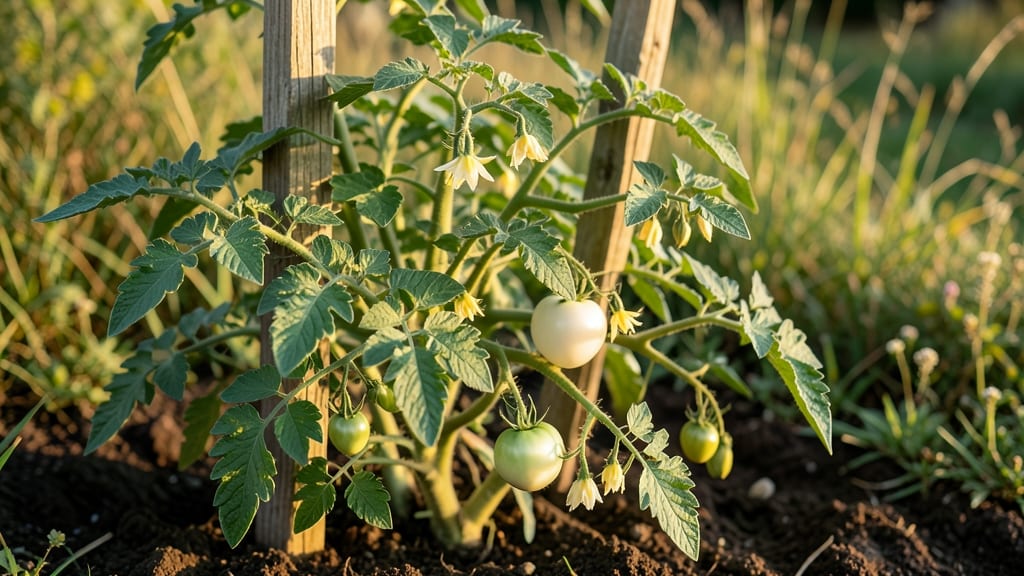
Growing Tomato White Beauty delivers snow-white, sweet tomatoes that look like edible jewels—something I never thought I'd grow until my neighbor's plant made me obsessed. 🌱 These aren't your average red tomatoes; they're milder, juicier, and perfect for slicing straight off the vine.
The secret to their success? Starting them early indoors and giving them just the right amount of warmth to outpace any frost threat.
These tomatoes thrive in full sun and well-draining soil, but the real trick is keeping them consistently moist without drowning the roots—something I learned the hard way after my first plant cracked from uneven watering.
With proper care, you'll harvest glossy white fruits in 70-80 days, and the flavor? Pure summer in every bite. The key is patience and a little extra attention to their unique needs.
📚 In This Guide
- What you need
- Instructions
- Tips and common mistakes
- Wrapping up and next steps
What you need
- ● Seeds or Seedlings: 3–5 Tomato White Beauty seeds (or young plants if starting with seedlings).
- ● Containers or Garden Beds: For containers: 5-gallon pots (minimum) with drainage holes (1–2 per plant).
- ● For in-ground: Well-draining soil in a sunny spot (6+ hours of sunlight daily).
- ● Potting Mix: High-quality, organic potting soil (avoid garden soil—it compacts too much!).
- ● Fertilizer: Balanced fertilizer (10-10-10) for seedlings.
- ● Tomato-specific fertilizer (high in phosphorus/potassium, e.g., 5-10-10) once flowering begins.
- ● Support System: Cage or stakes (6+ feet tall) to support the vines as they grow.
- ● Mulch: Straw or shredded leaves (2–3 inches) to retain moisture and suppress weeds.
- ● Hand Trowel – For planting and soil prep.
- ● Watering Can or Hose with Gentle Nozzle – Avoid blasting seedlings!
- ● Pruning Shears – To trim suckers and encourage airflow.
- ○ pH Test Kit (optional) – Ideal soil pH: 6.0–6.8.
- ○ Shade Cloth (optional) – For seedlings if temps exceed 85°F (29°C).
- ○ Row Cover or Netting (optional) – Protects against pests like birds or hornworms.
Step-by-step guide to growing Tomato White Beauty varieties
This cold-hardy heirloom thrives where others fail. Here's how to coax its sweet, snow-white fruits from seed to harvest.
🌱 Step 1: Start Seeds Indoors 6-8 Weeks Before Last Frost
Fill 2-3 inch deep seedling trays with sterile seed-starting mix (never garden soil) and moisten until damp like a wrung-out sponge. Press the mix down lightly to remove air pockets—this ensures even moisture for germination. Plant 2 seeds per cell at ¼ inch depth, then cover with a fine layer of mix using your fingertip to avoid burying too deeply.
Place trays under a grow light or in a 75-85°F seedling heat mat, which speeds germination to 5-10 days. I cover mine with a clear plastic dome to retain humidity, but check daily for condensation—wipe it off to prevent fungal spores from settling on seedlings. Once 50% have sprouted, remove the dome immediately to harden off the young stems.
☀️ Step 2: Provide 14+ Hours of Light Daily
Tomato White Beauty needs bright light from day one to prevent leggy growth. Position seedlings 2-4 inches under full-spectrum LEDs or within 6 inches of a south-facing window. You'll know they're getting enough light when the stems stay thick and compact with leaves spaced 1 inch apart.
Rotate trays quarter-turn daily so seedlings grow straight rather than leaning toward the light source. If you notice stems stretching toward the light with pale leaves, lower the light 1 inch closer immediately. Strong seedlings will develop deep green, glossy leaves within 2-3 weeks.
🪴 Step 3: Transplant After All Frost Risk Has Passed
When nighttime temperatures stay above 50°F and seedlings have 4-6 true leaves, it's time to move them outdoors. Harden off by placing them in a shaded, sheltered spot for 1-2 hours the first day, gradually increasing to full sun exposure over 7-10 days. This prepares their delicate stems for outdoor conditions.
Choose a full-sun location with well-draining soil and dig holes twice as wide as the root ball. Space plants 24-36 inches apart in rows 3 feet apart to allow airflow and prevent disease. Bury stems up to the first set of leaves—this encourages stronger root growth and more fruit production.
💧 Step 4: Water Deeply and Mulch Generously
Water deeply once weekly (about 1 gallon per plant) rather than frequent shallow waterings. This encourages roots to grow downward for stability and drought resistance. Check soil moisture by sticking your finger 1 inch deep—if it feels dry, it's time to water. Avoid wetting leaves to prevent fungal diseases like early blight.
Apply 3 inches of organic mulch (like straw or shredded leaves) around each plant to retain moisture and regulate soil temperature. The mulch will also suppress weeds, which compete for nutrients. I like to add a balanced fertilizer (like 10-10-10) every 4-6 weeks to support the plant's heavy fruiting.
✂️ Step 5: Prune and Support for Maximum Yield
Remove suckers (the small shoots that grow in the leaf axils) regularly to direct energy into fruit production. These appear as tiny offshoots between the main stem and branches. Pinch them off with your fingers when they're 1-2 inches long—this prevents them from draining the plant's resources.
Install cages or stakes at planting to support the plant as it grows. Tomato White Beauty can reach 4-6 feet tall, so use sturdy supports to prevent stems from snapping under the weight of fruit. Prune lower leaves that touch the soil to improve airflow and reduce disease risk. Harvest when fruits turn pure white and feel slightly soft to the touch—this ensures peak sweetness.
Tips & tricks for perfect Tomato White Beauty growth
Common pitfalls—and how to sidestep every one—when growing this cold-hardy heirloom.
Seedling Heat Mat: The 75-85°F range on your seedling heat mat is non-negotiable for germination. I've seen seeds take twice as long to sprout when placed in cooler spots—just 10°F below optimal can delay germination by days. If your home stays cooler than 70°F, consider using a heat mat with a built-in thermostat to maintain consistent warmth.
Light Positioning: Those 2-4 inches under grow lights might seem like a small range, but it makes all the difference. Place trays at the higher end (closer to 2 inches) if your seedlings look pale or leggy, then gradually increase distance as they grow stronger. The goal is to mimic spring sunlight intensity without burning tender leaves.
Transplanting Timing: Waiting until nighttime temperatures hit 50°F consistently is crucial, but don't rush the 7-10 day hardening-off process. I've seen plants shocked by sudden temperature swings after only 3 days of hardening. Start with just 1-2 hours of shade the first day, then increase exposure gradually—this builds resilience without stressing the plants.
Mulch Application: The 3 inches of mulch isn't just about moisture retention—it's also a temperature regulator. In hot climates, this layer prevents soil from overheating, while in cooler areas, it insulates roots. I like to add mulch right after planting and replenish it whenever it decomposes or gets pushed aside by rain.
Pro Tips for Tomato White Beauty
- Common pitfalls—and how to sidestep every one—when growing this cold-hardy heirloom.
- Seedling Heat Mat: The 75-85°F range on your seedling heat mat is non-negotiable for germination.
- Light Positioning: Those 2-4 inches under grow lights might seem like a small range, but it makes all the difference.
Frequently asked questions
Got questions about growing the stunning Tomato White Beauty?
You’re in the right place! Here are answers to the most common queries—from planting to harvest—so you can enjoy this frost-resistant beauty without stress.
What’s the best time to plant Tomato White Beauty seeds indoors?
Start seeds 6–8 weeks before your last frost date (typically mid-March to early April in most climates). Use a seedling heat mat for faster germination—these tomatoes thrive with warmth! Transplant seedlings outdoors after soil temps hit 55°F+ and nighttime frosts are gone.
Can Tomato White Beauty really survive light frost?
Yes! This variety is bred for zero-frost tolerance (down to 28°F for short exposures). However, heavy frost or prolonged cold can still damage leaves or fruit. Use row covers or a cold frame for extra protection if your region dips below 30°F.
How do I prune Tomato White Beauty for bigger fruit?
Prune indeterminate growth by removing suckers (shoots in leaf axils) when they’re smaller than a pencil. Focus on the main stem and scaffold branches—this improves airflow and directs energy to fruit. Stop pruning 2–3 weeks before harvest to avoid stress.
Why are my White Beauty tomatoes cracking?
Cracking usually happens from uneven watering (too much after drought) or rapid growth. Keep soil consistently moist (not soggy) and mulch heavily. For extra insurance, reduce watering slightly as fruit ripens to slow growth.
What’s a good alternative if Tomato White Beauty isn’t available?
Try these frost-tolerant or cold-hardy varieties:
- ‘Siberian’ (survives 23°F)
- ‘Stupice’ (disease-resistant, cold-tolerant)
- ‘Mountain Merit’ (early producer, handles light frost)
Wrapping up and next steps
Growing Tomato White Beauty in your garden is a rewarding journey—one that delivers stunning, frost-resistant fruits and a bountiful harvest. Whether you're a seasoned gardener or just starting, this variety proves that success doesn’t require freezing temperatures or complicated techniques.
With the right prep, patience, and care, you’ll be savoring sweet, creamy tomatoes in no time!
Ready to take the next step? Start small—plant a few seeds or seedlings this season and watch your confidence (and tomato plants!) grow. Happy gardening! 🌱🍅