
Transplanting
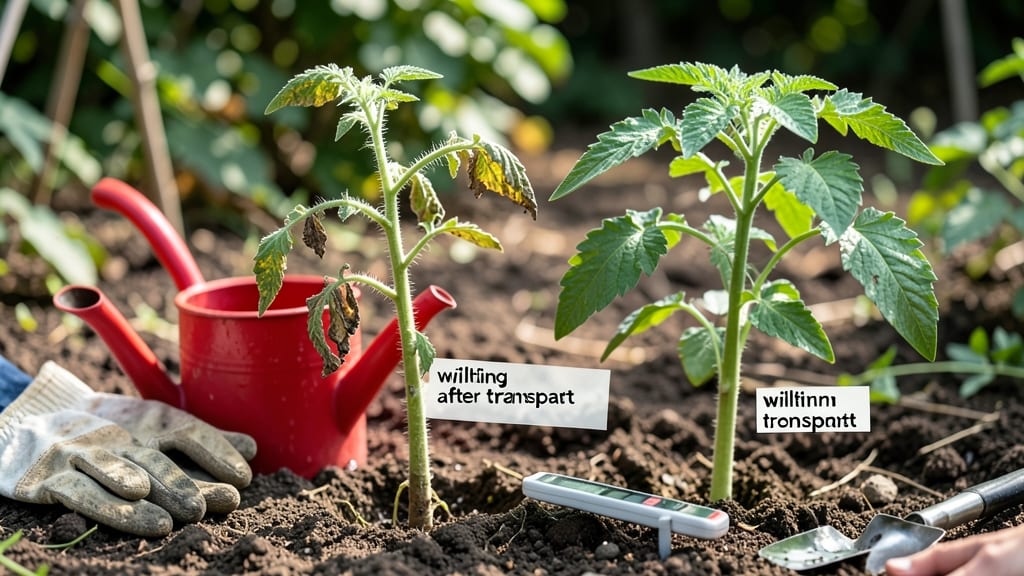
Tomato wilt after transplant isn't always a death sentence—it’s often just a cry for help. 🌱 I’ve nursed back more than a few droopy plants by focusing on the three key fixes: water balance, root recovery, and stress relief.
The good news? Most wilting isn’t permanent, and fixing it starts with understanding what your plants are really telling you.
Transplant shock, root damage, or even hidden diseases like Fusarium wilt can cause that sad, limp look. But here’s the thing—tomatoes are tougher than they seem. With the right approach, you can coax them back to full, vibrant growth in just a few days.
The secret? Gentle care, not panic. Start by checking the soil moisture and giving them a deep drink without drowning their roots.
By following three simple steps—adjusting your watering routine, shielding them from stress, and keeping an eye out for disease signs—you’ll see those plants perk up faster than you think. Within a week, you could be back to harvesting juicy, sun-ripened tomatoes instead of staring at wilting disappointment.
This works for both garden beds and containers, and the techniques scale whether you’re dealing with one sad plant or a whole batch. Let’s get those tomatoes back on track—your future salads will thank you.
Root of the Problem Explained
Understanding why your tomato plants wilt after transplanting is the first step to saving them. Wilting often signals stress, and in tomatoes, this stress usually stems from a few key issues—each with a clear scientific explanation.
Let’s break down the most common culprits and why they cause your plants to droop like overcooked pasta.
When you move tomato seedlings from their cozy nursery pots to the garden, their roots experience a sudden shock. This isn’t just a metaphor—it’s a real physiological response. Roots are delicate structures that absorb water and nutrients, and when they’re disturbed during transplanting, tiny root hairs can get damaged.
These hairs are the plant’s primary water uptake sites, so fewer of them mean less water absorption, leading to wilting.
Why it happens:
- Root disturbance: Digging up seedlings severs some roots, and even if you replant carefully, the remaining roots take time to adjust.
- Transplant shock: The plant’s hormonal balance shifts as it adapts to new conditions, temporarily slowing growth and water uptake.
- Soil disruption: Compacted or disturbed soil around the roots can suffocate them, reducing their ability to absorb moisture.
Actionable fix: To minimize shock, harden off seedlings gradually before transplanting (expose them to outdoor conditions over 7–10 days). Use a root stimulator or mycorrhizal fungi to encourage faster root regrowth.
Tomatoes are thirsty plants, and their water needs spike after transplanting. If you don’t adjust your watering routine, the roots struggle to hydrate the plant, causing wilting. This is especially true if the transplant happens on a hot or windy day, when water loss through the leaves (transpiration) outpaces absorption.
Why it happens:
- Root establishment lag: Newly transplanted roots take 1–2 weeks to fully establish in the soil. During this time, the plant relies on its existing (smaller) root system, which can’t keep up with demand.
- Surface drying: Watering too lightly or only at the surface leaves lower roots dehydrated. Tomatoes need deep watering to encourage roots to grow downward.
- Overwatering or underwatering: Both extremes stress the plant. Overwatering can drown roots, while underwatering leaves them parched.
Actionable fix: Water deeply right after transplanting (1–2 inches of water) and maintain consistent moisture in the top 6 inches of soil. Use mulch to retain moisture and reduce evaporation.
Tomatoes are sensitive to sudden changes in their environment. If the conditions after transplanting differ drastically from their nursery setup, they’ll wilt in protest. Think of it like moving to a new city without adjusting to the climate—uncomfortable, right?
Why it happens:
- Temperature swings: Cold nights or scorching days can shock the plant. Tomatoes prefer daytime temps of 70–85°F (21–29°C) and nighttime temps above 55°F (13°C).
- Wind exposure: Strong winds dry out leaves faster than roots can replenish water, leading to wilting.
- Sunburn: If seedlings are moved from shade to full sun too quickly, their leaves can scorch, reducing their ability to photosynthesize and transport water.
Actionable fix: Choose a transplant day with mild weather (overcast or early morning). Shield seedlings from wind with temporary supports or mesh. Acclimate them to full sun gradually over 3–5 days.
The soil where you transplant your tomatoes plays a huge role in their survival. Poor soil structure, nutrient deficiencies, or even over-fertilization can all contribute to wilting.
Why it happens:
- Compacted soil: Heavy or clay-like soil restricts root growth and oxygen flow, suffocating roots and preventing water absorption.
- Nutrient imbalance: Too much fertilizer (especially nitrogen) can burn roots, while too little can weaken the plant’s ability to recover from transplant stress.
- pH problems: Tomatoes thrive in slightly acidic soil (pH 6.0–6.8). Soil that’s too alkaline or acidic can lock out essential nutrients like phosphorus and iron, leading to wilting.
Actionable fix: Amend your soil with compost or organic matter before transplanting to improve drainage and fertility. Conduct a soil test to check pH and adjust with lime (to raise pH) or sulfur (to lower it) if needed.
Sometimes, wilting isn’t just about environmental factors—it could be a sneaky pest or pathogen at work. After transplanting, your tomatoes are vulnerable to invaders that take advantage of their weakened state.
Why it happens:
- Root rot fungi: Fungal pathogens like Phytophthora or Fusarium thrive in waterlogged soil and attack damaged roots, cutting off water supply.
- Nematodes: Microscopic worms burrow into roots, disrupting their function and causing wilting.
- Aphids or spider mites: These pests suck sap from leaves, reducing the plant’s ability to transport water and nutrients.
Actionable fix: Inspect roots during transplanting for signs of rot or pests. Use fungicides (like copper-based sprays) if fungal diseases are suspected. Encourage beneficial nematodes or introduce natural predators like ladybugs to control pests.
Timing is everything when it comes to transplanting tomatoes. If you move them too early (when soil is still cold) or too late (when heat stress is high), their ability to recover is compromised.
Why it happens:
- Cold soil: Roots can’t absorb water efficiently in temperatures below 50°F (10°C). This slows growth and increases susceptibility to disease.
- Heat stress: Transplanting during a heatwave forces the plant to use more water than its shallow roots can provide, leading to wilting.
Actionable fix: Wait until the soil temperature reaches at least 60°F (15°C) and nighttime temps stay above 55°F (13°C). Use shade cloth for the first few days if transplanting in hot conditions.
Reviving Your Tomato Plants Fast
If your tomatoes are wilting after transplanting, don’t panic! The good news is that most cases are fixable with quick action. Below, we’ve matched the most common causes to practical, step-by-step solutions—plus prevention tips to keep your plants thriving long-term.
Fix it:
- 💧 Water Deeply (But Gently) – Soak the soil around the roots for 10–15 minutes to rehydrate them. Use a watering wand or slow drip to avoid disturbing the soil.
- 🌱 Shield from Sun for 3–5 Days – Move plants to partial shade (like under a 30% shade cloth) to reduce stress. Too much sun after transplanting can dry out roots faster.
- 🍃 Trim Damaged Foliage – If leaves look crispy or brown, snip them off with clean scissors to redirect energy to root recovery.
Prevent it: ✅ Hardening Off First – Gradually expose seedlings to outdoor conditions (wind, sun) for 5–7 days before transplanting. ✅ Transplant in Cool Weather – Avoid midday heat; early morning or late afternoon is best. ✅ Use Root Stimulator – Dip roots in a natural rooting hormone (like willow water or commercial products) before planting.
Fix it:
- 💦 Check Soil Moisture – Stick your finger 1–2 inches deep; if dry, water immediately. Mulch with straw or grass clippings to retain moisture.
- 🌿 Adjust Watering Schedule – Water deeply every 2–3 days (not daily light sprinkles). Wilting often signals root dehydration, not overwatering.
- 🌞 Provide Afternoon Shade – If temps exceed 85°F (29°C), use a reflective shade tarp or move pots to a cooler spot.
Prevent it: 💡 Use Drip Irrigation – Keeps water at the roots without wetting leaves (which can cause disease). 💡 Plant in Well-Draining Soil – Amend clay soil with compost or perlite to prevent waterlogging.
Fix it:
- 🧼 Clean Up Debris – Remove all infected plant material (burn or trash it—don’t compost!). Fungi spread via spores in soil.
- 🌿 Apply Copper Fungicide – Spray copper-based fungicide (like Bordeaux mix) on leaves every 7–10 days for prevention.
- 🔄 Rotate Crops – If wilt is severe, don’t replant tomatoes, peppers, or eggplants in the same spot for 3–4 years.
Prevent it: ✨ Solarize Soil – Cover beds with clear plastic for 4–6 weeks in summer to kill pathogens. ✨ Choose Resistant Varieties – Opt for ‘Defiant PhR’ or ‘Mountain Merit’ tomatoes, bred to resist wilt diseases.
Fix it:
- 🔍 Inspect Leaves & Roots – Look for sticky residue (aphids), fine webbing (spider mites), or galls on roots (nematodes).
- 🌿 Blast Off Pests – Spray with neem oil or insecticidal soap (repeat every 3–5 days).
- 🌱 Replace Infested Soil – If nematodes are suspected, sterilize soil with solarization or replace the top 6 inches of dirt.
Prevent it: 💡 Encourage Beneficial Insects – Plant marigolds or basil nearby to attract ladybugs and predatory mites. 💡 Use Row Covers – Protect seedlings with floating row covers until plants are established.
- 🍽️ Fertilize Lightly – Wait 7–10 days after transplanting before adding fertilizer.
Use a balanced 10-10-10 or fish emulsion for a gentle boost. - 🌿 Prune Strategically – Remove lower leaves touching the soil to improve airflow and reduce disease risk. - 📅 Monitor Daily – Wilting that doesn’t improve in 3–5 days may signal a deeper issue (like root rot or disease).
Act fast!
Pro Tip: 🎯 Test Your Soil – A simple pH test (ideal: 6.0–6.8) ensures nutrients are available. Adjust with lime (to raise pH) or sulfur (to lower it) if needed.
With these fixes, your tomatoes should perk up within a week—and you’ll be on your way to a bountiful harvest! 🍅🌿
Frequently asked questions
Why do my tomato plants wilt immediately after transplanting?
This is usually transplant shock—your plants are adjusting to new conditions after root disturbance. The tiny root hairs that absorb water get damaged during moving, so the plant struggles to hydrate itself. Give them 3–5 days of shade and deep watering to help roots recover.
Can I save a tomato plant that’s been wilting for over a week?
It depends! If the wilting is from transplant shock or dehydration, you may still revive it with consistent care. But if leaves turn yellow, blacken, or the stems feel mushy (signs of Fusarium wilt), the plant is likely beyond saving. Remove it immediately to prevent spreading disease.
Should I water more or less if my tomatoes are wilting?
Most wilting after transplanting means underwatering, not overwatering. Water deeply once daily for the first week, then adjust based on soil moisture. Check the top 1–2 inches—if dry, water again. Avoid wetting leaves to prevent fungal issues.
How can I prevent wilting when transplanting tomatoes?
Start by hardening off seedlings for 7–10 days before transplanting—expose them gradually to sun/wind. Use root stimulator when planting, and choose cool, overcast days for transplanting. Mulch heavily to retain moisture and reduce stress.
What’s the difference between wilting from shock and Fusarium wilt?
Shock wilting happens within days and improves with care. Fusarium wilt causes sudden collapse, yellowing leaves, and black streaks in stems. The key difference: shock wilting recovers; Fusarium wilt spreads and kills plants quickly. Test soil if you suspect disease.