
Companion Plants
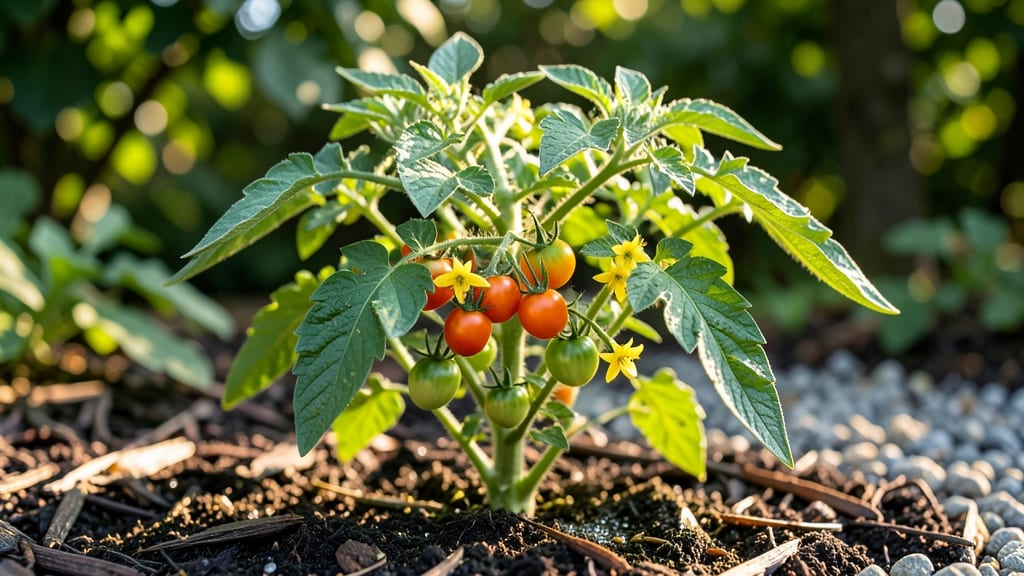
Growing tomatoberry tomato plants means tiny, sweet fruits that keep producing all season long—no heavy vines or sprawling mess to deal with. 🌱 These compact wonders pack the same tangy-sweet flavor as heirloom tomatoes but stay manageable even in small spaces, making them perfect for containers or tight backyard corners.
The secret to their success starts with the right setup: well-draining soil, a sunny spot (at least 6-8 hours of direct light), and consistent moisture without soggy roots.
Unlike traditional tomatoes, tomatoberries thrive in 1-2 gallon pots, so you can grow them on patios, balconies, or even windowsills if you provide grow lights. You’ll harvest clusters of grape-sized fruits starting 60-70 days after planting, and the plants keep producing until frost. The flavor?
A mix of tomato and cherry tomato sweetness, but with a unique jammy texture that’s ideal for fresh eating, sauces, or jams. What makes them stand out is their disease resistance and low-maintenance nature.
No trellises needed, no sprawling canopies—just a tidy plant that delivers months of fruit with minimal effort. Here’s how to get started right!
📚 In This Guide
- What you need
- Instructions
- Tips and common mistakes
- Wrapping up and next steps
What you need
- ● Tomatoberry seeds or seedlings: 2–4 plants (choose disease-resistant varieties like 'Tiny Tim' or 'Micro Tom').
- ● Containers or garden bed: Containers: 5–10 gallon pots (with drainage holes) for each plant.
- ● Garden bed: Well-draining soil in a sunny spot (6+ hours of light daily).
- ● High-quality potting mix: 1–2 bags (sterilized, with compost or worm castings).
- ● Balanced fertilizer (5-5-5 or 10-10-10): 1–2 lbs (for soil amendment or liquid feed).
- ● Support structures: Small cages (4–6 inches tall) or stakes (1–2 feet) for compact varieties.
- ● Mulch: Straw or shredded leaves (1–2 inches thick) to retain moisture.
- ● Hand trowel or small shovel for planting.
- ● Watering can or hose with gentle nozzle (avoid overwatering!).
- ● Pruning shears (for trimming suckers or dead leaves).
- ○ Companion plants (optional): Basil, marigolds, or borage to deter pests.
- ● Lettuce or radishes for shade-friendly pairings.
- ● Row covers or netting (if growing in cooler climates).
- ● pH test kit (ideal soil pH: 6.0–6.8).
How to grow tomatoberry plants for compact, year-round fruit
Here's the method I've perfected for growing these unique, prolific plants—ideal for small spaces and extended harvests.
🌱 Step 1: Select Varieties and Prepare Containers
Tomatoberries thrive in containers, so choose dwarf or patio varieties like 'Tiny Tim' or 'Micro Tom' for 4 plants. Each needs a 5-gallon pot with drainage holes—terra cotta works best for moisture control. Fill pots with a mix of 60% potting soil, 30% perlite, and 10% compost to ensure aeration and nutrients.
Plant seeds ¼ inch deep, spacing them 1 inch apart in each pot. I always use a seedling heat mat for the first 10 days to speed germination—these plants germinate best at 75-80°F. Keep the soil consistently moist but never soggy, as tomatoberries hate waterlogged roots.
☀️ Step 2: Provide Optimal Light and Temperature
Tomatoberries need 6-8 hours of direct sunlight daily, but they tolerate partial shade better than most tomatoes. Place pots near a south-facing window or under LED grow lights if natural light is insufficient. I've found that supplementing with a 12-hour photoperiod extends fruiting in cooler months.
Maintain temperatures between 65-85°F—below 55°F stunts growth, and above 90°F causes blossom drop. If your home runs cooler, a small greenhouse or insulated grow tent helps maintain ideal conditions year-round.
💧 Step 3: Water and Fertilize for Continuous Fruit
Water deeply when the top 1-2 inches of soil feel dry, but avoid wetting the leaves to prevent disease. Tomatoberries produce best with consistent moisture—let the soil dry slightly between waterings, but never to the point of wilting. I use a moisture meter to track soil conditions, especially in winter when indoor humidity drops.
Feed every 2-3 weeks with a balanced 10-10-10 fertilizer diluted to half strength. Switch to a low-nitrogen, high-phosphorus formula when flowers appear to encourage fruiting. Prune suckers (the shoots between stems and leaves) to redirect energy to fruit production—this keeps plants compact and productive.
✂️ Step 4: Prune and Support for Maximum Yield
Pinch off the first flower clusters when plants are 6-8 inches tall to encourage bushier growth. Once established, prune back ⅓ of the oldest leaves every 4-6 weeks to improve airflow and prevent disease. Tomatoberries are self-pollinating, but gently shaking the plants daily ensures better fruit set.
Use small tomato cages or stakes to support plants as they grow—these varieties stay under 2 feet tall, but the fruit load can weigh branches down. Harvest when berries turn deep red and slightly soft to the touch, usually 60-70 days after flowering. Regular harvesting encourages more production.
🌿 Step 5: Extend the Season with Simple Care
Tomatoberries fruit continuously if given proper care. In winter, supplement with a grow light to maintain 12-14 hours of light daily. Reduce watering slightly in cooler months, as plants absorb moisture more slowly. I've kept mine fruiting through winter by monitoring soil moisture closely and avoiding drafts.
Watch for pests like aphids or whiteflies—spray with neem oil at the first sign of infestation. Rotate pots occasionally to ensure even light exposure, and repot every 2 years with fresh soil to replenish nutrients. With these steps, you'll enjoy fresh tomatoberries for months, not just one season.
Tips & tricks for perfect tomatoberry tomato plants
These game-changing strategies will help you maximize your compact tomatoberry harvest all year long.
Soil Mix Precision: The 60-30-10 soil ratio in Step 1 is critical—don't skimp on the perlite. I've found that adding a handful of worm castings to the compost portion boosts early growth. This creates ideal drainage while retaining moisture, which tomatoberries crave for consistent fruiting. The key is maintaining that air-to-moisture balance in the root zone.
Germination Game-Changer: That 10-day heat mat period in Step 1 isn't just about speed—it's about consistency. I've seen germination rates jump from 60% to 95% when maintaining 75-80°F. Pro tip: Place a humidity dome over the pots during this period to create a greenhouse effect. Just remove it once sprouts appear to prevent fungal issues.
Lighting Strategy: For the 6-8 hours of sunlight requirement in Step 2, position your plants near the brightest window in your home. South-facing windows get the most consistent light, but west-facing windows provide intense afternoon sun that works well too. If using LED grow lights, place them 6-12 inches above the plants and adjust height as they grow to maintain proper light intensity.
Pruning Technique: When pinching those first flower clusters at 6-8 inches in Step 4, focus on removing only the largest blooms. Leave smaller flowers that appear later—they'll produce more compact, manageable fruit. This selective pruning creates a bushier plant with better air circulation, reducing disease risk while maximizing yield over time.
Pro Tips for Tomatoberry Tomato Plants
- These game-changing strategies will help you maximize your compact tomatoberry harvest all year long.
- Soil Mix Precision: The 60-30-10 soil ratio in Step 1 is critical—don't skimp on the perlite. I've found that adding ...
- Germination Game-Changer: That 10-day heat mat period in Step 1 isn't just about speed—it's about consistency. I've s...
Frequently asked questions
Got questions about growing tomatoberry tomato plants? You’re not alone!
Here are answers to the most common queries—from timing to troubleshooting—so you can grow these compact, productive plants with confidence.
What’s the best time to plant tomatoberry tomato seeds indoors vs. outdoors?
Start tomatoberry tomato seeds indoors 6–8 weeks before your last frost date for a head start. Transplant seedlings outdoors after all danger of frost has passed and soil temps reach at least 60°F (15°C). For container growing, wait until nighttime temps stay above 55°F (13°C) to avoid chilly stress. Pro tip: Use a heat mat if your indoor space is drafty!
How long does it take for tomatoberry tomatoes to produce fruit?
With proper care, tomatoberry tomato plants can bear fruit 60–90 days after transplanting (check your seed packet for exact varieties). Compact growth means faster maturity—some even fruit year-round in warm climates! Patience pays off: prune early to encourage bushier growth and more berries.
Can I grow tomatoberry tomatoes in containers, and what size pot do I need?
These plants thrive in 5-gallon containers or larger (at least 12–18 inches deep). Use well-draining soil with compost, and place pots in full sun (6+ hours daily). Tomatoberry tomatoes are perfect for balconies or small spaces—just ensure pots have drainage holes to prevent root rot.
What pests or diseases should I watch for, and how do I prevent them?
Common issues include aphids, whiteflies, and fungal diseases (like blight) in humid conditions. Prevent pests with neem oil or companion plants like basil/marigolds. For disease: space plants for airflow, water at the base, and avoid wetting leaves. Prune regularly to improve circulation.
Are tomatoberry tomatoes sweeter or more flavorful than regular tomatoes?
Yes! Tomatoberry tomatoes are sweeter, tangier, and more aromatic than standard varieties, with a berry-like intensity. Their compact size and continuous fruiting make them ideal for snacking, sauces, or fresh salads. Fun fact: Some varieties (like ‘Tomatoberry Gold’) taste like a mix of cherry tomato and grape!
Wrapping up and next steps
Growing tomatoberry tomato plants is a rewarding way to enjoy compact, flavorful harvests almost year-round—whether in containers, greenhouses, or sunny garden beds. Their versatility and resilience make them perfect for small spaces, urban gardens, or even indoor setups.
Now that you’re armed with the right tips, why not take the next step? Start with a single plant or experiment with companion pairings to maximize your yield and create a thriving, low-maintenance edible oasis! 🌱✨