
Companion Plants
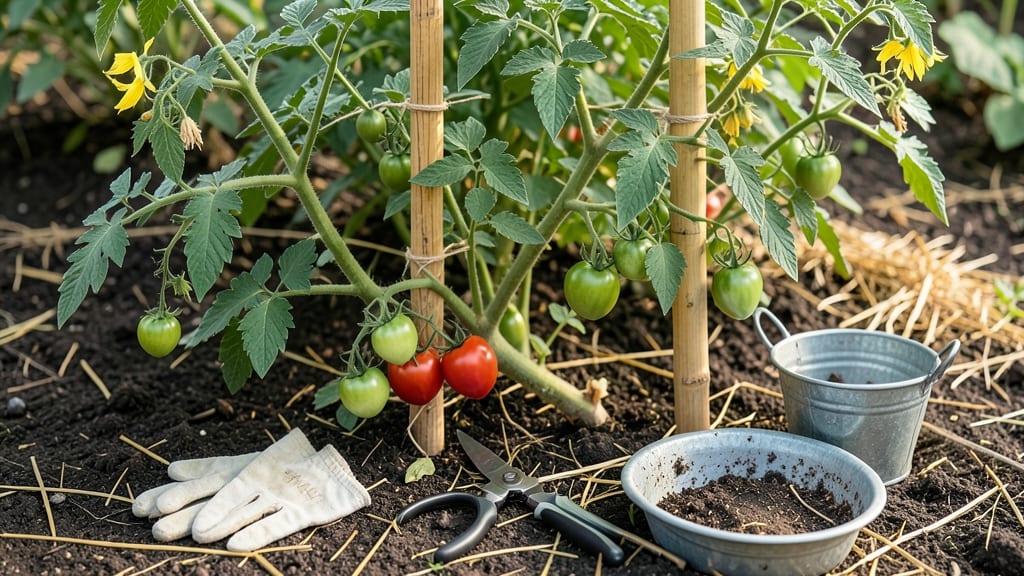
Topping off tomato plants isn't just about controlling height—it's the secret to stronger stems and bigger yields without flopping branches. ✂️ I learned the hard way when my indeterminate tomatoes grew too tall, snapping under their own weight.
The right timing and technique can turn a leggy mess into a productive powerhouse.
You'll need clean pruning shears, sturdy tomato cages, and a sunny afternoon. The goal is to remove the top set of leaves just above a flower cluster or branch fork.
This redirects energy to fruit production instead of endless vertical growth. Most gardeners do this when plants hit 5-6 feet tall, but watch for signs of stress first.
After topping, your plants will focus on ripening existing fruit and developing new branches. Within 10-14 days, you'll see thicker stems and more compact growth. The key is consistency—check plants weekly during peak growing season and remove any suckers that form in the leaf axils.
Determinate tomatoes rarely need topping, but indeterminate varieties thrive with this method. The payoff? Heavier clusters of fruit that ripen faster and stay upright. Just avoid over-pruning—leave at least 3-4 main stems for support. Your tomatoes will thank you at harvest time.
📚 In This Guide
- What you need
- Instructions
- Tips and common mistakes
- Wrapping up and next steps
What you need
- ● Tomato plants: Healthy, indeterminate varieties (like 'Sungold,' 'Beefsteak,' or 'Roma') that need support. Aim for plants at least 3–4 feet tall.
- ● Pruning shears or sharp scissors: Clean, sterilized tools to make precise cuts (avoid tearing stems).
- ● Gloves: A pair of gardening gloves to protect your hands from thorns and dirt.
- ● Sturdy tomato cages or stakes: Cages: 5–6 foot tall, heavy-duty wire cages (galvanized steel or reinforced plastic). Avoid flimsy options—they’ll sag under ripe tomatoes! 🚫💀
- ● Stakes: 6–8 foot bamboo or wooden stakes (1.5–2 inches thick) paired with soft plant ties (not wire).
- ● Balanced fertilizer: A slow-release 10-10-10 or organic option (like compost or worm castings) to replenish nutrients after pruning.
- ● Plant support ties: Soft fabric or Velcro ties to secure stems to cages/stakes without strangling them.
- ● Copper-based fungicide: A spray to prevent disease if you’re pruning during humid weather.
- ● Mulch: Straw or shredded leaves to retain moisture and protect the base of your plants.
- ● Notebook or app: To track pruning dates and plant progress (because every tomato lover is a data nerd at heart 📈).
How to top off tomato plants for stronger stems and higher yields
Here's the method I use every season to prevent flopping vines while encouraging bushier growth.
🌱 Step 1: Identify the Right Time for Topping
Wait until your tomato plants have reached 3-4 feet tall and are actively flowering but haven't yet set fruit. This is typically 4-6 weeks after transplanting for indeterminate varieties. You'll see new leaves forming above the first flower cluster—this is your signal that the plant has enough energy to handle pruning.
Never top off when plants are under stress from drought, heat waves, or disease. A stressed plant won't recover well from the shock of pruning. I always check for deep green leaves and firm stems before touching the shears.
✂️ Step 2: Choose the Correct Cutting Point
Locate the topmost flower cluster on the main stem. This is where the plant is putting energy into fruit production. Using clean, sharp pruners, make your cut just above a leaf node—the small bump where leaves and branches grow out. This ensures the plant will regrow from a strong lateral branch rather than a weak stem.
I like to leave 1-2 leaves above the flower cluster to help the plant recover and continue photosynthesizing. These leaves will support the existing fruit while new growth begins. Avoid cutting too close to the flower cluster—you want to preserve as much energy as possible for the developing tomatoes.
🌿 Step 3: Support the Plant Immediately After Pruning
Once you've made the cut, install your tomato cage or stake right away to prevent the plant from flopping over. I use 5-foot tall cages with 12-gauge galvanized wire for indeterminate varieties—they're sturdy enough to handle the weight of heavy fruit without bending. Secure the cage to the ground with 4-6 inches of wire buried or tied to stakes to prevent it from tipping.
Gently tie the main stem to the cage with soft plant ties, leaving a few inches of slack to allow for growth. You'll see the plant lean toward the light, so adjust the ties as it grows taller. This support system is critical—without it, the plant will sprawl and break under the weight of fruit.
☀️ Step 4: Monitor Growth and Adjust as Needed
After topping, watch for new lateral shoots emerging from the leaf nodes below the cut. These will become your secondary stems, and you'll want to encourage them by pruning off any suckers that grow between the main stem and branches. Suckers are the small shoots that form in the leaf axils—they drain energy from the plant without contributing to fruit production.
Continue topping off every 2-3 weeks as new flower clusters form. Each time, make your cut just above a leaf node and support the plant immediately. You'll see a bushier plant with more fruit-bearing branches, and the existing fruit will stay elevated off the ground, reducing rot risk.
💧 Step 5: Maintain Water and Fertility After Pruning
Water deeply the day after pruning to help the plant recover. Focus on keeping the soil consistently moist but not soggy—top inch dry to touch is the ideal moisture level. I use a 5-gallon watering can with a gentle spray nozzle to avoid disturbing the roots or dislodging the cage.
Fertilize with a balanced, water-soluble fertilizer (10-10-10) diluted to half strength 3-5 days after pruning. This gives the plant the nutrients it needs to recover and support new growth. Avoid high-nitrogen fertilizers, which encourage leafy growth at the expense of fruit production.
Tips & tricks for topping off tomato plants
These simple adjustments will help you get the most out of your tomato plants while avoiding common pitfalls.
Timing is Everything: The 4-6 week window after transplanting is critical for topping indeterminate varieties. This timing ensures your plants have enough energy stored to handle the pruning shock without stunting growth. I always check for the first flower cluster and wait until I see new leaves forming above it—this is your plant's way of signaling it's ready. If you top too early, you risk weakening the plant before it can establish strong roots and branches.
Pruning Precision: When making your cut just above a leaf node in Step 2, look for the small bump where new growth emerges. This is where your plant will regrow from a strong lateral branch. I like to use clean, sharp pruners to make a clean cut—dull blades can crush stems and invite disease. Leaving 1-2 leaves above the flower cluster helps maintain photosynthesis while preserving energy for fruit development.
Support System Matters: The 5-foot tall cages with 12-gauge wire are worth the investment for indeterminate varieties. I've learned the hard way that flimsy supports can't handle the weight of heavy tomatoes. Secure the cage with 4-6 inches of wire buried or tied to stakes to prevent tipping. Gently tie the main stem with soft plant ties, leaving a few inches of slack—this allows the plant to grow toward the light while maintaining support.
Recovery Care: The day after pruning, deep watering with a 5-gallon can is essential for recovery. Focus on keeping the top inch of soil moist but not soggy—this prevents stress while allowing roots to absorb water efficiently. I also fertilize with a balanced 10-10-10 fertilizer diluted to half strength 3-5 days after pruning. This gives the plant exactly what it needs to recover without overstimulating leafy growth at the expense of fruit production.
Pro Tips for Topping Off Tomato Plants
- These simple adjustments will help you get the most out of your tomato plants while avoiding common pitfalls.
- Timing is Everything: The 4-6 week window after transplanting is critical for topping indeterminate varieties. This t...
- Pruning Precision: When making your cut just above a leaf node in Step 2, look for the small bump where new growth em...
Frequently asked questions
Got questions about topping off tomato plants?
You’re not alone! Whether you’re a first-time gardener or a seasoned pro, these FAQs will help you master the technique with confidence.
What’s the best time of day to top off tomato plants?
Top your tomato plants in the early morning when temperatures are cool and humidity is high. This reduces stress on the plant and gives it time to recover before the heat of the day. Avoid topping in the afternoon, especially in hot climates, as it can shock the plant.
How long does it take for tomato plants to recover after topping?
Recovery time varies, but most tomato plants bounce back within 1–2 weeks. You’ll notice new growth (suckers) emerging from the leaf axils below the pruning point. Keep the area well-watered and fertilized lightly to encourage healthy regrowth. Patience is key—don’t rush it!
Can I still top my tomato plants if they’re already flowering or fruiting?
Yes, but proceed with caution! If your plant is already flowering or bearing fruit, limit topping to only the topmost suckers to avoid stressing the plant. Avoid heavy pruning, as it can reduce yield. Focus on removing aggressive suckers that compete with existing fruit for energy.
What if my tomato plant looks weak after topping? How can I help it?
If your plant appears stressed, don’t panic! Boost recovery with these steps:
- Water deeply to reduce shock.
- Avoid fertilizing for 1–2 weeks to prevent further stress.
- Provide shade if temperatures are extreme.
- Monitor for pests—stressed plants attract aphids or whiteflies.
Are there alternatives to topping if I don’t want to prune?
If pruning feels overwhelming, try these low-maintenance alternatives:
- Use a sturdy cage or trellis to support natural growth and reduce the need for heavy pruning.
- Let the plant grow bushy—some varieties (like Roma or Cherry tomatoes) thrive without topping.
- Pinch off only the largest suckers to control size without full topping.
Wrapping up and next steps
Topping off your tomato plants isn’t just about managing growth—it’s about unlocking their full potential! By using sturdy cages, you’ll support stronger stems, prevent breakage, and enjoy bountiful harvests without the stress of floppy vines.
Whether you’re a seasoned gardener or just starting, this simple technique makes a world of difference.
Ready to elevate your garden game? 🌱 Grab your supplies, follow the steps, and watch your tomatoes thrive! Next up: Try pairing your tomato plants with complementary companions like basil or marigolds to maximize flavor and pest control.