
Companion Plants
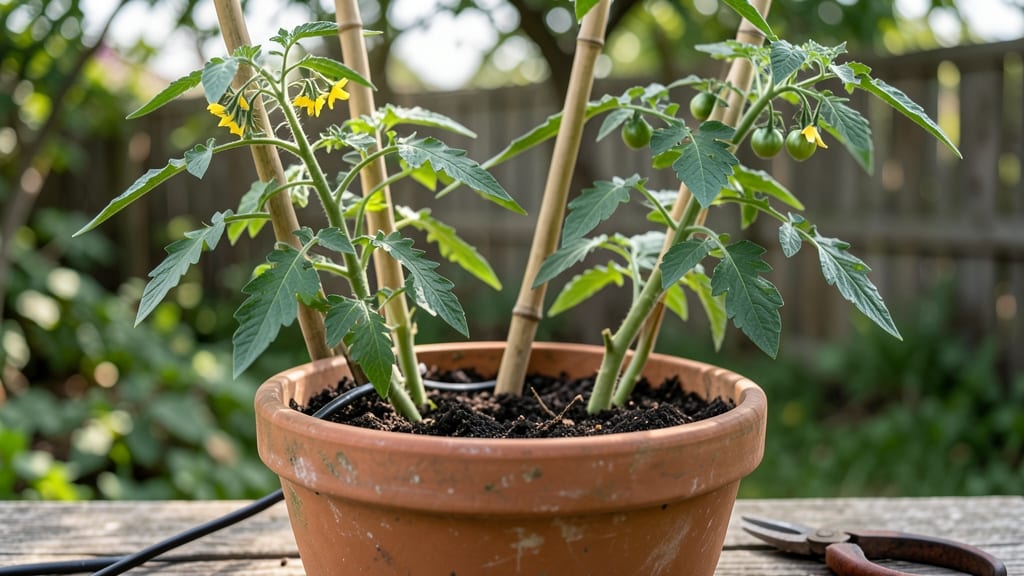
Growing two tomato plants in one pot saves space without sacrificing harvests. 🌱 I learned this trick when my tiny balcony couldn't handle separate containers, and now I grow twice as many tomatoes in the same footprint.
The secret lies in variety selection, pot size, and proper care—three factors that turn this space-saving hack into a productive reality.
Start with determinate tomato varieties like 'Tiny Tim' or 'Patio Princess'—they stay compact and produce fruit simultaneously, making them perfect pot-mates. Your container needs at least 5 gallons (bigger is better) with drainage holes, and a well-draining potting mix rich in compost.
Plant them 6-8 inches apart to avoid root competition later, and stake them early to support their combined weight.
Watering becomes critical—deep but infrequent sessions keep roots happy without drowning. Feed with a balanced fertilizer every 2-3 weeks once flowers appear, and watch as both plants thrive side by side.
You'll harvest dozens of ripe tomatoes from this single pot, proving that small spaces can yield big results with the right approach.
This method works for any balcony, patio, or sunny windowsill. Just avoid indeterminate varieties (they grow too large) and monitor for pests—two plants mean double the work keeping them healthy. With proper care, you'll enjoy a neighborhood-worthy harvest from just one container!
📚 In This Guide
- What you need
- Instructions
- Tips and common mistakes
- Wrapping up and next steps
What you need
- ● Container: A large pot (minimum 5-gallon capacity) with drainage holes. Tip: Self-watering pots or fabric grow bags work great!
- ● Potting Mix: High-quality, well-draining organic potting soil (avoid garden soil—it compacts!). Pro tip: Mix in perlite or vermiculite (20%) for aeration.
- ● Tomato Plants: Two determinate varieties (bush-type, like 'Patio' or 'Tiny Tim') or one indeterminate (vining, like 'Cherry Roma') paired with a supportive companion (e.g., basil or marigold).
- ● Support System: For indeterminate varieties: Two 6-foot tomato cages or bamboo stakes (inserted at planting).
- ● For determinate varieties: Small cages or stakes (3–4 feet).
- ● Fertilizer: Balanced organic fertilizer (e.g., 10-10-10 or compost tea) or slow-release granules (follow package rates).
- ● Mulch: Straw or shredded leaves (2–3 inches) to retain moisture and suppress weeds.
- ● Pruning shears (for trimming suckers or dead leaves).
- ● pH testing kit (ideal soil pH: 6.0–6.8).
- ● Watering can with a rose attachment (gentle watering prevents soil erosion).
- ● Garden gloves (protect your hands from thorns!).
- ● Trellis or twine (for indeterminate varieties needing extra support).
- ● Access to full sun (6–8+ hours daily) for the pot’s location.
- ● Knowledge of your last frost date (plant after all danger of frost has passed).
- ● Basic understanding of tomato care (watering, pruning, and pest monitoring).
Step-by-step instructions for growing two tomato plants in one pot
Here's how to maximize your balcony space while keeping your tomato duo thriving.
🪴 Step 1: Choose the Right Container and Soil Mix
Select a 5-gallon container minimum with multiple drainage holes—tomatoes despise soggy roots. I use a fabric grow bag because it breathes and prevents compaction. Fill it with a sterile potting mix blended with 20% perlite or vermiculite for aeration. Avoid garden soil—it compacts and suffocates roots in containers.
Moisten the mix until it feels like a damp sponge—squeeze it gently, and it should hold together but not drip. Tap the pot lightly to settle the soil without compacting it. The goal is loose, fluffy soil that lets roots spread easily. Real talk: if you skip this step, your plants will struggle to access nutrients even if you fertilize regularly.
🌱 Step 2: Plant Compatible Tomato Varieties Together
Choose determinate tomato varieties (bush-type) that mature at similar rates—like 'Patio' or 'Tiny Tim'. Avoid indeterminate types (vining) unless you're willing to prune aggressively. Plant one seedling in each side of the pot, spacing them 12-18 inches apart—this gives roots room to establish without competing too fiercely.
Dig holes just deep enough to bury the root ball to the same level it was in the nursery pot. Press soil gently around the roots to eliminate air pockets. Water immediately after planting to settle the soil and encourage root contact. I always label my pots with the variety and planting date—after a month, identical green leaves blur together.
☀️ Step 3: Provide Support and Optimal Light Conditions
Install two tomato cages or stakes (one per plant) at planting time—tomatoes hate being moved once established. Use 4-foot cages or bamboo stakes with twine for indeterminate types. Position the pot in full sun (6+ hours daily)—a south-facing balcony gets the best results. If your space is shadier, choose compact varieties like 'Micro Tom' and supplement with a grow light for 12 hours daily.
Rotate the pot a quarter turn weekly so plants grow straight instead of leaning toward the light. You'll see this pay off when stems stay upright and leaves don't develop that "reaching" look. Here's the thing—if leaves start yellowing between veins, it's usually magnesium deficiency from poor soil aeration, not just lack of sun.
💧 Step 4: Water and Fertilize for Container Success
Water deeply every 2-3 days until water runs freely from drainage holes—this encourages roots to grow downward where nutrients are. Let the top 1-2 inches of soil dry between waterings to prevent root rot. I use a moisture meter to check—if it reads dry at 1 inch, it's time to water. Mulch with 1 inch of straw to retain moisture and keep roots cool.
Fertilize with a balanced liquid fertilizer (10-10-10) every 2 weeks once flowers appear. Switch to a low-nitrogen, high-phosphorus formula (5-10-10) when fruit sets to boost flowering. Real talk: I've killed tomato plants with too much nitrogen—it makes leaves grow like crazy but starves the fruit. Watch for dark green, lush foliage with no tomatoes—that's your warning sign.
✂️ Step 5: Prune and Maintain for Maximum Yield
Prune suckers (side shoots) regularly to direct energy to fruit production. Remove any leaves touching the soil to prevent disease. For determinate varieties, prune only to remove diseased or yellowing leaves. Water the soil (not the leaves) in the morning to reduce fungal risks like early blight.
Harvest tomatoes when they're fully colored and slightly soft to touch. Twist gently to avoid damaging the stem. You'll know they're ripe when they pull away easily. In containers, tomatoes often ripen faster than ground-grown ones—watch closely to avoid overripe fruit splitting. Here's the moment that matters: when your pot is loaded with red (or yellow/purple) fruit, you've succeeded.
Tips & tricks for perfect two-tomato balcony gardens
These space-saving secrets will help your container duo thrive without competing for resources.
Container Selection: Don't settle for just any 5-gallon pot—look for containers with built-in saucers to catch drainage. I've found that fabric grow bags actually outperform plastic because they allow roots to breathe and prevent compaction. If using a traditional pot, add extra drainage holes if they're not already present—tomatoes will forgive many mistakes, but soggy roots won't. The key is creating that airy environment where roots can spread freely.
Soil Preparation: The 20% perlite or vermiculite mix isn't just about aeration—it's about creating a sponge-like structure that holds moisture without suffocating roots. Here's what nobody tells you: mix in a handful of worm castings at planting time. They introduce beneficial microbes that help your plants access nutrients more efficiently, especially in the confined space of a container. Think of it as giving your tomatoes a head start on their microbial community.
Light Optimization: That 6+ hours of daily sun is non-negotiable, but here's the twist: if your balcony gets intense afternoon sun, consider moving the pot to a shadier spot during peak hours (around 1-4pm). Too much direct sun can cause sunscald on tomatoes, especially when they're young. I've seen plants develop white, leathery patches on their fruit from this exact issue. A simple shade cloth or temporary move can prevent this while still giving them plenty of light.
Fertilizer Strategy: The switch from 10-10-10 to 5-10-10 when fruit sets is crucial, but timing matters more than you'd think. Start monitoring your plants' response after the first application of the high-phosphorus formula. If you notice new flowers but no fruit development, it's a sign you need to extend that switch by another 2 weeks. The goal is to support flowering without overfeeding leaves—it's like finding the sweet spot between pushing growth and producing fruit.
Pro Tips for Two Tomato Plants In One Pot
- These space-saving secrets will help your container duo thrive without competing for resources.
- Container Selection: Don't settle for just any 5-gallon pot—look for containers with built-in saucers to catch drainage.
- Soil Preparation: The 20% perlite or vermiculite mix isn't just about aeration—it's about creating a sponge-like structure that holds moisture without suffocating roots.
Frequently asked questions
Got questions about growing two tomato plants in one pot? You’re not alone! Here are some of the most common concerns—and their solutions—to help you garden like a pro.
Can two tomato plants really thrive in a single pot?
Yes, but only if they’re the right varieties! Choose determinate (bush) tomatoes (like 'Roma' or 'Patio') or dwarf indeterminate types (e.g., 'Tiny Tim'). Avoid heavy vining varieties—they’ll compete for space and nutrients, leading to stunted growth or disease. Pairing a compact plant with a low-spreading one (like cherry tomatoes) works best!
How often should I water two tomato plants in one container?
More often than you’d water one! A shared pot dries out faster, especially in hot weather. Check soil moisture daily—stick your finger 1–2 inches deep. Water deeply in the morning (1–1.5 gallons per watering) to encourage strong roots. Mulch the surface to retain moisture, and avoid overhead watering to prevent fungal issues like blight.
Will one plant steal nutrients from the other?
Not if you fertilize properly! Use a balanced, slow-release fertilizer (like 10-10-10) at planting, then switch to a tomato-specific feed (high in potassium and phosphorus) every 2–3 weeks. Side-dress with compost mid-season to replenish nutrients. Pro tip: If one plant looks hungry, it might need more space—consider thinning or upgrading to a larger pot.
What if one tomato plant grows much faster than the other?
Uneven growth is common! If one plant dominates, prune the larger one to redirect energy to the smaller partner. Remove suckers (side shoots) and trim foliage blocking sunlight. For extreme cases, transplant the weaker plant to its own pot. Bonus: If space is tight, let the faster grower climb a small trellis to free up room for its companion.
What are some great alternatives if two tomatoes don’t work?
If you’re struggling with space or competition, try these low-competition pairings in one pot:
- Tomato + Basil (basil deters pests and thrives in the same conditions!)
- Tomato + Lettuce or Spinach (shade-tolerant greens grow well at the base).
- Two Peppers (e.g., mini bell + jalapeño) (both are compact and love heat).
- Tomato + Marigold (marigolds repel nematodes and add color).
Just avoid pairing tomatoes with competitive plants like corn, potatoes, or fennel—they’ll outcompete your tomatoes for resources.
Wrapping up and next steps
Growing two tomato plants in one pot is a game-changer for small-space gardeners—it maximizes your harvest while keeping your balcony lush and productive! 🌱 With the right companion choices (like basil or marigolds) and smart care, you’ll enjoy juicy tomatoes without sacrificing space.
Ready to dive in? Grab your supplies, pick your pair, and start planting—your future salads will thank you!
Next step: Sketch your pot setup or snap a photo of your chosen plants before you begin. Happy gardening!