
Vegetables
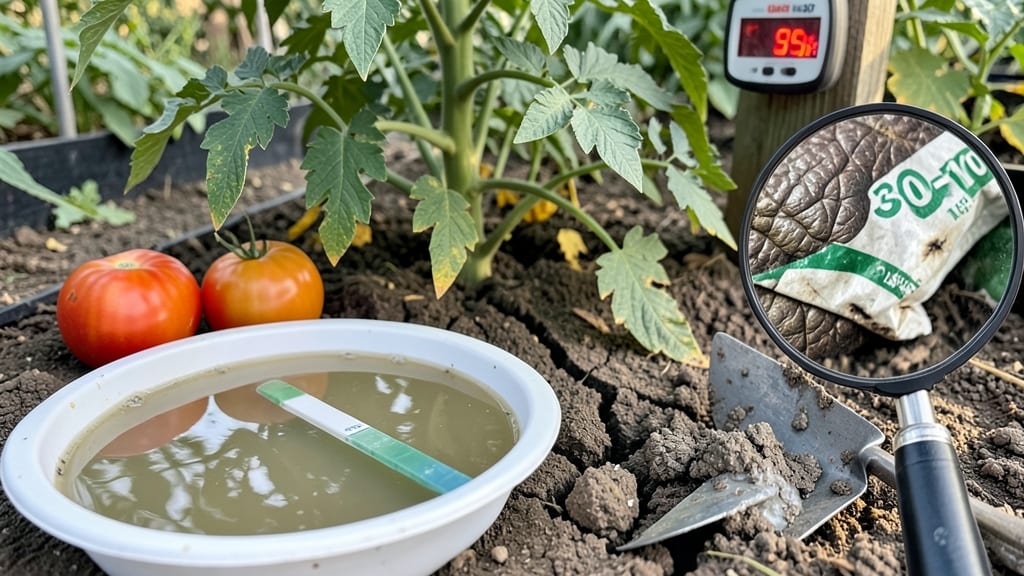
What causes tough tomato skins can turn your prized harvest into leathery disappointments—no matter how many heirloom varieties you grow. 🌱 The culprits are often hiding in plain sight: temperature swings, inconsistent watering, or even overzealous fertilizing that throws off the plant's balance.
I've salvaged dozens of tomatoes from this fate, and the fixes are simpler than you'd think.
Most tough skins start with water stress—either too much or too little. Plants under watered conditions develop thick skins as a survival tactic, while sudden moisture spikes can't keep up with rapid growth.
Then there's the calcium connection: blossom-end rot's less dramatic cousin, where boron or calcium deficiencies create that unappealing texture. Even well-intentioned organic fertilizers can backfire if overapplied.
Here's the game-changer: consistent moisture and balanced feeding. Deep watering twice weekly (not daily light sprinkles) keeps skins tender, while a side-dressing of crushed eggshells or kelp meal provides steady calcium.
The payoff? Tomatoes that burst with juicy sweetness instead of leathery resistance. You'll notice the difference within 10-14 days of adjusting your routine.
This works for greenhouse tomatoes too—just monitor humidity levels and avoid cold drafts. The same principles fix cracking and blossom-end rot, making it a multi-problem solution. Let's get those skins back to their perfect, sun-ripened state.
The Real Culprits Behind Tough Skins
Tomatoes are nature’s perfect snack—juicy, sweet, and packed with flavor. But when their skins turn tough and leathery, they’re a total bummer. 😬 The good news?
Understanding the science behind this texture shift helps you avoid it (or fix it!). Here’s why your tomatoes might be tougher than a boot sole.
Tomatoes ripen through a complex dance of ethylene gas (a natural plant hormone) and cellulose breakdown. When left on the vine too long, their sugars convert into pectin, thickening the skin as moisture evaporates.
Overripe tomatoes also lose cell turgor pressure—the plump, hydrated state that keeps skins soft.
Why it happens:
- Ethylene overload: As tomatoes age, they produce more ethylene, which softens the flesh but can over-thicken the skin if the process drags on.
- Water loss: The longer a tomato sits, the more it dehydrates. Skins shrink and toughen like a raisin.
- Pectin buildup: Soluble pectin (which keeps skins flexible) turns into insoluble pectin, creating a rubbery texture.
Pro tip: 💡 Harvest tomatoes when they’re fully colored but still firm—usually 70–85% of their final color. If you miss the window, pick them early and ripen indoors with a banana (ethylene source) or a paper bag.
Timing is everything. Pick tomatoes before they’re fully ripe (for transport or indoor ripening), but after they’ve developed their final color. Harvesting too early locks in green, underdeveloped skins with high cellulose content—nature’s way of protecting unripe fruit.
Leaving them too long on the vine? You’re basically asking for a leathery, mealy mess.
Why it happens:
- Immature skins: Early harvests mean skins haven’t fully softened. Cell walls are thicker and less hydrated, leading to a tough bite.
- Overexposure to sun/heat: Late-season tomatoes baked on the vine develop thicker cuticles (their protective layer) to retain moisture, making skins tougher.
- Disease pressure: Stress from heat or pests triggers lignin production, a compound that hardens plant tissues (think of it like a tomato’s armor).
Actionable fix: 🎯 Use the finger squeeze test: Gently press a tomato. It should yield slightly but not squish. If it’s rock-hard, it’s too early; if it’s mushy, it’s past its prime.
Tomatoes are thirsty divas. Inconsistent watering or drought conditions force plants to conserve moisture by thickening their skins. This is especially true for heirloom or beefsteak varieties, which have naturally thicker skins to begin with.
Why it happens:
- Root zone fluctuations: Uneven watering causes osmotic stress, where cells shrink and skins toughen to prevent water loss.
- Cuticle thickening: Under stress, tomatoes produce more waxy cuticles (their outer protective layer), making skins less permeable but more rubbery.
- Nutrient imbalance: Drought can disrupt calcium uptake, leading to poor cell wall development and uneven skin texture.
Pro tip: 🌡️ Water deeply 1–2 inches per week (more in heatwaves) and mulch heavily to retain moisture. Avoid wetting leaves to prevent disease, which also stresses the plant.
Not all tomatoes are created equal. Some varieties are genetically bred for tougher skins to withstand shipping or harsh climates. Heirlooms and beefsteaks often have thicker, more fibrous skins compared to slicing varieties like Early Girl or Celebrity.
Why it happens:
- Breeding for durability: Commercial varieties prioritize transport resilience over tenderness, leading to higher lignin and cellulose in skins.
- Natural growth patterns: Indeterminate tomatoes (vining types) develop thicker skins as they mature to support larger fruit weight.
- Climate adaptation: Tomatoes grown in hot, dry regions (like the Southwest U.S.) often have naturally tougher skins to prevent splitting.
Workaround: If you love thick-skinned varieties, blanch them (dip in boiling water for 30 seconds) before peeling or use them in cooked dishes where texture softens.
Bottom line: Tough tomato skins are usually a mix of ripeness, water stress, and genetics. The key is to harvest at peak firmness, water consistently, and choose the right variety for your climate. Now go forth and enjoy that perfect, juicy bite! 🍅✨
Fixing Tough Tomato Skins Naturally
Now that you know why your tomatoes turn tough, let’s tackle the fixes—starting with the most common causes and moving to prevention. Whether you’re dealing with overripe harvests, improper storage, or genetic quirks, these solutions will help you salvage your tomatoes and enjoy their juicy goodness.
If your tomatoes are tough because they’re overripe, don’t toss them! They can still be transformed into delicious dishes.
🍳 Cook Them Down
- Sauces & Soups: Blend or chop overripe tomatoes and simmer them into a rich sauce.
The skins will soften as they cook, and the flavor will deepen. - Salsas & Relishes: Dice the tomatoes (skins included) and cook them with onions, garlic, and a splash of vinegar or lime juice.
The acidity helps break down the tough fibers. - Roasted Tomatoes: Toss halved tomatoes with olive oil, salt, and herbs, then roast at 400°F (200°C) for 20–25 minutes. Roasting caramelizes the sugars and softens the skins.
👨🍳 Blend Into Pasta Sauce
- Hidden Gem Hack: Puree the tomatoes into marinara or Alfredo sauce. The texture won’t be an issue, and the flavor will still shine. Add a pinch of sugar to balance any tartness.
🥘 Freeze for Later Use
- Prep Ahead: Chop tomatoes (skins on or off) and freeze them in airtight containers. When thawed, they’ll soften naturally and work well in cooked dishes like chili, stews, or smoothies.
If your tomatoes are tough because of poor storage, adjust your habits to keep them fresh longer.
🌡️ Room-Temperature Storage (Best for Ripening)
- Don’t Refrigerate Too Soon: Tomatoes ripen best at room temperature (around 70°F/21°C).
Once fully ripe, store them in the fridge only if they’re not being used within a few days. - Paper Bag Trick: Place a ripe tomato in a paper bag with a banana or apple. The ethylene gas from the fruit speeds up ripening for unripe tomatoes.
🎯 Prevent Moisture Loss
- Avoid Plastic Bags: Plastic traps moisture and speeds up spoilage. Instead, store tomatoes in a breathable cotton bag or on a counter.
- Stem Side Up: Keep tomatoes stem-side up to slow moisture loss and maintain firmness.
If you must eat the tomato raw and the skin is unyielding, try these peeling methods:
🔥 Boil & Peel
- Blanch the Tomatoes: Drop whole tomatoes into boiling water for 30–60 seconds.
- Ice Bath: Transfer them to ice water to stop cooking.
- Peel Easily: The skins should slip off effortlessly with a spoon or your fingers.
🍎 Microwave Quick Peel
- Pierce the Tomatoes: Use a fork to poke holes in the bottom.
- Microwave for 20–30 Seconds: This loosens the skins.
- Peel Under Running Water: The skins will slide right off.
Stop tough skins before they start with these proactive steps:
🌱 Harvest at Peak Ripeness
- Check for Color & Give: Tomatoes should be fully colored (red, yellow, or pink) and slightly soft to the touch. Avoid picking them green unless you plan to ripen them indoors.
- Use the Twist Test: Gently twist a tomato at the stem.
If it comes off easily, it’s ready. If not, wait a day or two.
🌡️ Control Ripening Conditions
- Ethylene Exposure: Place tomatoes near other fruits (like avocados or bananas) to speed up ripening naturally.
- Avoid Ethylene Inhibitors: Keep tomatoes away from onions, potatoes, and apples, which can slow ripening.
🥗 Choose the Right Varieties
- Heirloom vs. Hybrid: Some heirloom tomatoes (like Brandywine or Cherokee Purple) have thicker skins. If tough skins are a recurring issue, try hybrid varieties bred for tenderness, like ‘Sweet 100’ or ‘Celebrity.’
📊 Store Properly Post-Harvest
- Never Wash Before Storing: Moisture accelerates spoilage. Rinse tomatoes only before eating.
- Use a Single-Layer Setup: Store tomatoes in a single layer (not stacked) to prevent bruising and skin toughening.
Can’t fix it? Turn it into something new! - Tomato Powder: Dry tough tomato skins in a dehydrator or oven (200°F/93°C for 4–6 hours), then blend into a fine powder.
Use it as a seasoning for soups, stews, or rubs. - Tomato Leaf Compost: If the skins are too tough to eat, chop them up and add them to your compost bin—they’ll break down into nutrient-rich soil.
With these fixes, you’ll never let tough tomato skins go to waste again. Whether you’re cooking them down, peeling them smartly, or preventing the issue altogether, your tomatoes will stay delicious—no matter their ripeness!
Frequently asked questions
Why do heirloom tomatoes always have tougher skins than store-bought ones?
Heirloom varieties develop thicker skins as a natural adaptation to preserve moisture and protect against pests. Commercial tomatoes are often bred for tenderness and uniform ripening, while heirlooms prioritize flavor and durability. Try varieties like 'Celebrity' for a balance between tenderness and taste.
Can I fix tough skins by soaking tomatoes in water?
Soaking alone won't help—tough skins are caused by cellular changes during ripening, not dehydration. However, if you're dealing with underripe tomatoes, soaking in water for 1-2 hours before cooking can help soften them slightly. For best results, combine with cooking methods like roasting or blending.
Will cooking always make tough tomato skins edible?
Yes! Heat breaks down pectin and softens cell walls, making even the toughest skins palatable. Try roasting at 400°F (200°C) for 20-25 minutes or simmering in sauces for 15-20 minutes. The skins will become tender enough to eat without peeling, and the flavor actually improves.
How do I know if my tomato skins are tough from ripeness or from water stress?
Check the flesh first: if the tomato is mealy or dry inside, it's overripe. If the flesh is juicy but the skin feels like leather, water stress is likely the culprit. Look for other signs like uneven ripening or cracked skins—these indicate inconsistent moisture.
Are there any tomato varieties that naturally have soft skins?
Look for cherry tomatoes (like 'Sweet 100') or slicing varieties such as 'Early Girl' or 'Better Boy'. These are bred for thinner, more tender skins while maintaining good flavor. Even heirlooms like 'Sun Gold' have naturally softer skins than many beefsteak varieties.