
Vegetables
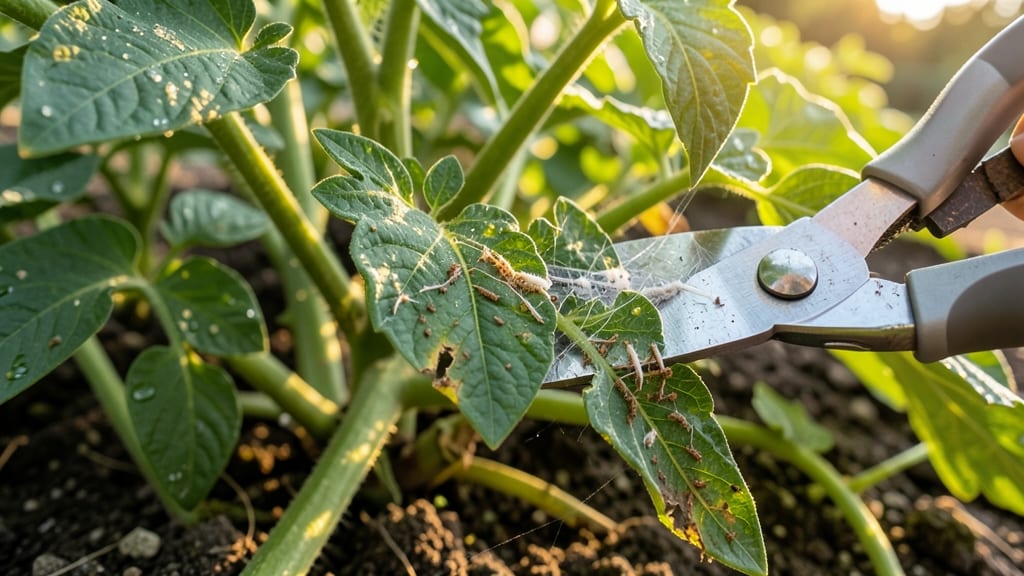
Frustrated by tomato leaf miners destroying your plants? These 10 organic solutions—backed by gardeners and entomologists—target larvae, eggs, and adult flies without harsh chemicals, saving your harvest while keeping ecosystems healthy.
Yellow Sticky Traps for Adult Flies

Stop tomato leaf miners before they even start by targeting the adult female flies that lay eggs. Yellow sticky traps are a game-changer for early detection, especially in greenhouses or high-risk areas where infestations spread quickly.
Hang these bright yellow traps near your tomato plants—flies are drawn to the color and get stuck before laying eggs. Replace traps every 2-3 weeks or when covered in flies, and place them at plant height for maximum effectiveness. This method is chemical-free, reusable, and works best when combined with other organic solutions.
Greenhouse growers and organic gardeners will love this proactive approach, as it reduces the need for reactive treatments later. Start trapping early in the season to keep your plants thriving. 🌱
Neem Oil Spray for Eggs and Larvae
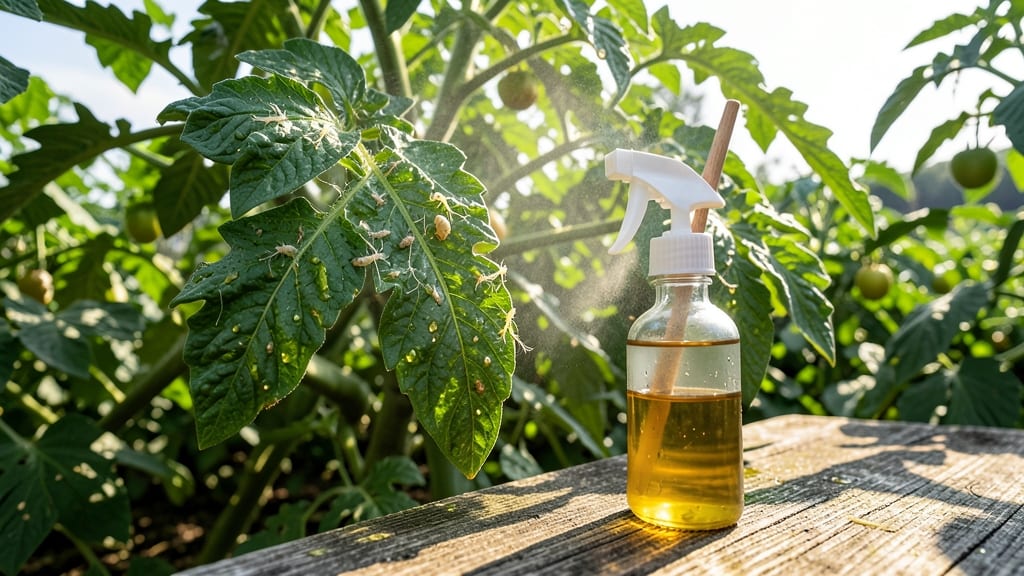
When tomato leaf miners strike, neem oil spray acts like a two-pronged defense—disrupting larvae mid-feast and smothering eggs before they hatch. Unlike sticky traps that only catch adults, this solution targets the entire life cycle, making it a game-changer for organic gardeners.
Mix 1 tablespoon of neem oil with 1 quart of water and a teaspoon of mild soap (to help it stick). Spray thoroughly on both leaf surfaces at dusk when larvae are most active—this timing maximizes effectiveness. Reapply every 5-7 days or after rain, as neem breaks down quickly in sunlight. The key is consistency: neem doesn’t kill instantly but weakens larvae over time, giving your plants a fighting chance.
This method shines for gardeners who refuse to use synthetic pesticides but still need systemic protection. It’s especially valuable when combined with row covers or sticky traps for a layered defense. Your tomatoes will thank you with healthier leaves and bigger yields. 🌿
Kaolin Clay Barrier for Leaf Surfaces

If you’re dealing with tomato leaf miners in humid climates, kaolin clay acts like a force field for your plants—literally. This fine, mineral-based powder creates a thin, reflective barrier on leaves that confuses adult flies and disrupts larval feeding patterns, making it a game-changer for young, vulnerable plants.
Mix kaolin clay with water (1-2 tablespoons per gallon) and apply it to leaves at dusk to avoid sunburn risks. The clay doesn’t just repel pests—it also reflects sunlight, which can slightly boost photosynthesis in some plants. Reapply every 7-10 days or after heavy rain, focusing on the undersides of leaves where larvae hide. This method is especially effective in high-humidity zones where other sprays may wash off quickly.
Perfect for organic gardeners or those with limited chemical options, kaolin clay is safe for humans and pollinators once dry. It’s your secret weapon for preventative care before leaf miners even get a foothold. 🌿
Beneficial Nematodes for Soil-Dwelling Larvae
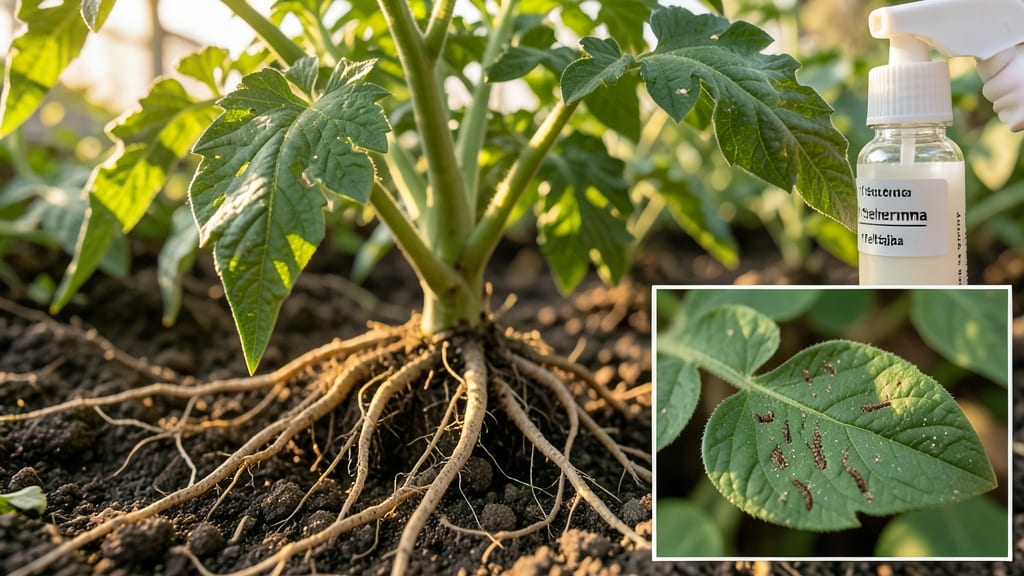
When tomato leaf miners have already burrowed into your soil and you’re seeing established damage, it’s time to bring in the microscopic cavalry—beneficial nematodes. These tiny, natural predators seek out and destroy soil-dwelling larvae, breaking the pest’s life cycle from the ground up.
Apply these microscopic hunters during warm, moist conditions (ideal soil temps: 60-85°F) by mixing them with water and pouring the solution around the base of infested plants. They’re most effective when used in late afternoon or evening to avoid UV damage. For best results, reapply every 4-6 weeks during peak growing seasons.
This method is perfect for organic gardeners dealing with deep-rooted infestations or those who prefer chemical-free solutions. Unlike surface sprays, nematodes target larvae where they hide—giving you a fighting chance against stubborn tomato leaf miner outbreaks. 💚
Row Covers to Block Adult Flies
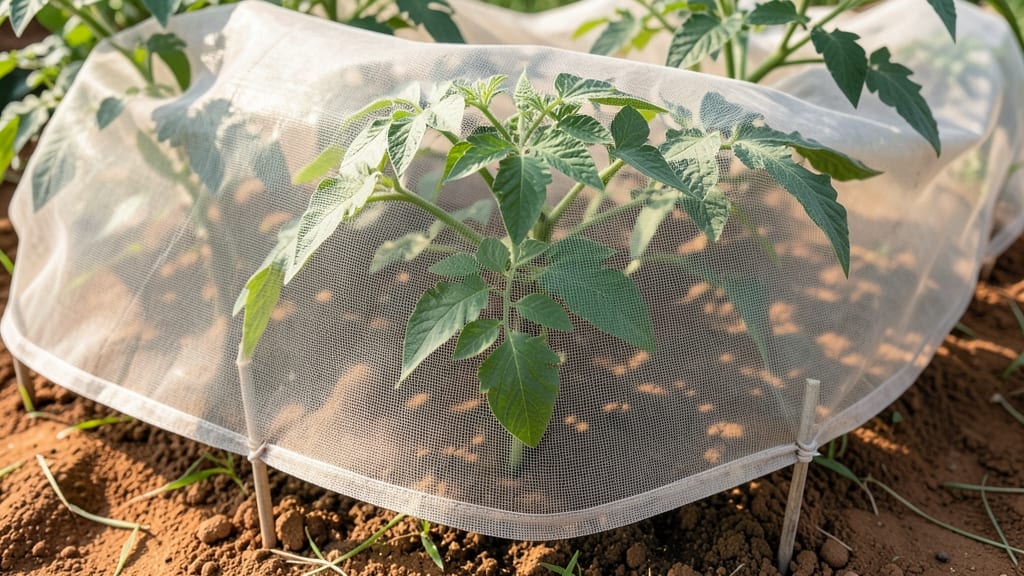
When tomato leaf miners keep returning year after year, row covers act like an invisible shield—blocking adult flies before they even reach your plants. Unlike sprays or traps that target pests after they arrive, this method stops infestations at the source with a simple, reusable fabric barrier.
Made from lightweight, breathable materials like floating row cover fabric, these covers create a physical barrier that prevents flies from laying eggs while still allowing sunlight, water, and airflow to reach your plants. For best results, install covers before planting or as soon as you spot the first signs of adult flies. Most fabrics last 3-5 seasons, making them a cost-effective, long-term solution for organic growers.
This approach is especially valuable for gardeners who’ve tried other methods without success—it’s the only solution that completely prevents new infestations while being gentle on pollinators. 🌱
Garlic and Chili Pepper Spray

If you’re dealing with tomato leaf miners in your small garden or containers, a garlic and chili pepper spray is your secret weapon. This potent blend disrupts larval feeding cycles while being completely safe for your plants and pollinators when used correctly.
Mix 4 cloves of minced garlic, 2 tablespoons of cayenne pepper, and 1 quart of water, then let it steep for 24 hours before straining. Spray the solution directly on leaves, focusing on the undersides where larvae hide. Reapply every 5–7 days or after rain, as the scent dissipates quickly. The allicin in garlic and capsaicin in peppers create an unpleasant environment for larvae, forcing them to leave or stop feeding.
This method is perfect for container gardeners or those with limited space, as it requires minimal ingredients and no special equipment. It’s also a great option if you prefer non-toxic, kitchen-based solutions over commercial pesticides. 🌱
Diatomaceous Earth for Larval Control

When your tomato plants are already showing signs of tomato leaf miner damage—like white larvae tunneling through leaves—diatomaceous earth (DE) is your secret weapon. This fine, powdery mineral works by dehydrating larvae on contact, offering a fast-acting, organic solution for late-stage infestations.
To use it effectively, apply a thin layer of food-grade DE directly to affected leaves, focusing on the undersides where larvae hide. Reapply every 3-5 days or after rain, as moisture reduces its effectiveness. Avoid applying when plants are wet to prevent clumping, and always wear a mask to protect your lungs from the fine dust.
This method is ideal for gardeners who prefer chemical-free solutions and need immediate results. While it won’t prevent future infestations alone, pairing it with other methods like row covers or sticky traps can create a powerful defense system for your tomatoes. 💡
Companion Planting with Basil or Marigolds

If you’re tired of fighting tomato leaf miners year after year, companion planting with basil or marigolds might be your secret weapon. These plants don’t just deter pests—they mask the scent of tomatoes, which confuses adult flies and reduces egg-laying. It’s a low-effort, high-reward strategy for permaculture gardens or long-term prevention.
Plant basil at the base of your tomato plants—its strong fragrance repels flies while attracting beneficial pollinators. Marigolds, with their bright blooms and natural pyrethrins, disrupt the leaf miner’s life cycle by emitting a scent that adult flies find unappealing. For best results, interplant them in a 1:2 ratio (1 tomato to 2 basil/marigold plants) and replace spent marigolds mid-season for continuous protection.
This method is ideal for gardeners who want passive, chemical-free pest control without daily maintenance. It’s especially effective in container gardens or small plots where space is limited but you still want a thriving tomato harvest. 🌟
Pheromone Traps for Mating Disruption
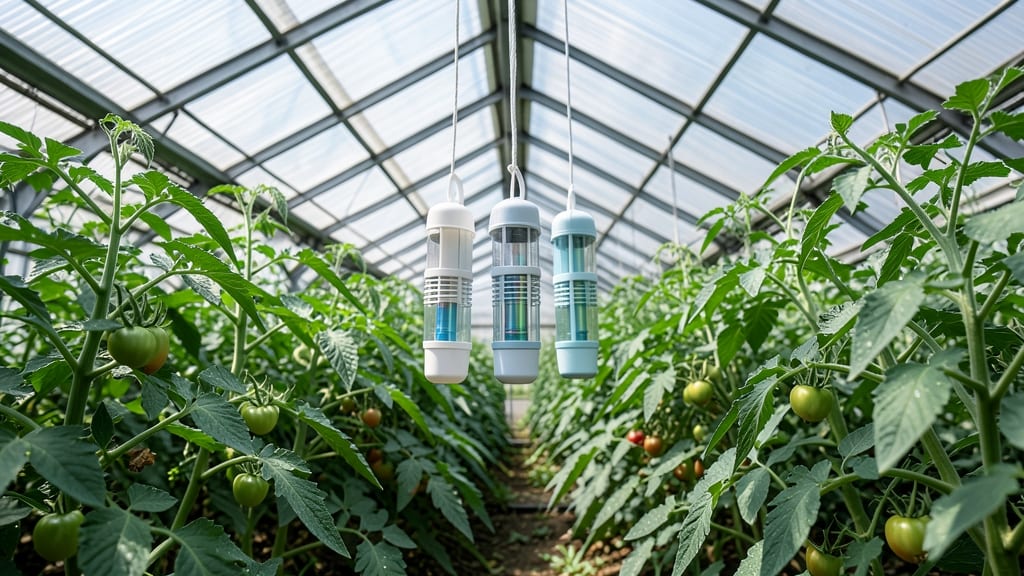
When tomato leaf miner populations spiral out of control in large-scale operations, traditional methods often fall short. Pheromone traps offer a game-changing solution by disrupting the mating cycle of male flies, effectively halting reproduction before it begins.
These traps emit synthetic female pheromones that confuse male flies, preventing them from locating real females to mate. For commercial growers or those with expansive tomato beds, strategically placing traps every 50-100 feet can reduce infestations by up to 90% when combined with other methods. The traps are reusable and require minimal maintenance—just replace them every 4-6 weeks during peak fly activity.
This method is ideal for large-scale operations or gardeners with high-risk areas, offering a chemical-free way to protect entire fields without labor-intensive manual interventions. 🌟
Pruning and Destroying Infested Leaves

When you spot tomato leaf miner damage, don’t just trim and toss—prune strategically to starve the infestation. The key is removing heavily damaged leaves (with visible mines or webbing) before larvae pupate in the soil, cutting off their life cycle mid-cycle.
Use sterilized shears to snip infested foliage at the stem, then bag and discard (not compost) to prevent larvae from spreading. Focus on lower leaves first, where miners often lay eggs. Repeat every 3-5 days during outbreaks, and always sanitize tools with rubbing alcohol between plants to avoid cross-contamination. This method is especially powerful for organic growers who refuse chemical sprays but still need fast results.
This hands-on approach works best for small to medium gardens where you can monitor plants daily. Pair it with row covers or sticky traps for a two-pronged attack—your tomatoes will thank you with fewer mines and more fruit. 💪