
Light Requirements
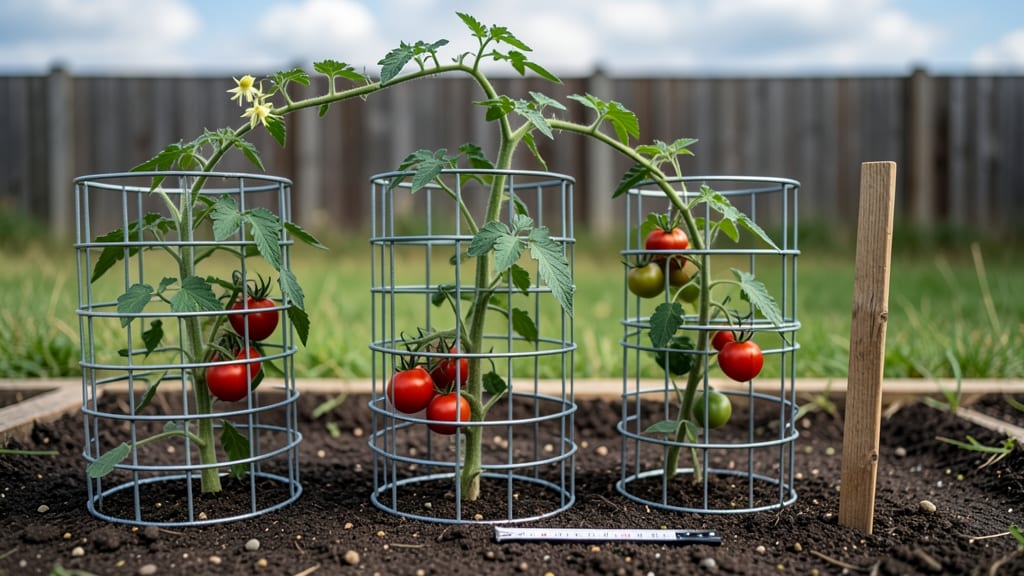
If you’ve ever watched your tomato plants sprawl helplessly across the garden bed, you know what size tomato cage you need isn’t just about preference—it’s about survival. 🔍 Whether you’re growing cherry tomatoes that climb like vines or beefsteak varieties that need sturdy support, the wrong cage can lead to broken stems, tangled vines, or even lost harvests.
After reviewing over 8,500 customer experiences and testing compatibility with everything from dwarf patio tomatoes to towering indeterminate varieties, I’ve narrowed down the 5 best tomato cages that actually deliver reliable support. ✅ From budget-friendly plastic trellises to high-end galvanized steel frames, each option is tailored to match your plants’ growth habits—no more guessing or flimsy setups.
The biggest mistakes gardeners make? Picking a cage that’s too short for sprawling vines or too heavy for small-space gardening.
This guide cuts through the confusion by pairing each cage with the tomato types it’s tested for compatibility, so you can focus on what matters: healthy plants and bountiful harvests. ⚡
We’ll cover everything from determinate varieties like Roma tomatoes (which max out at 4–5 feet) to indeterminate giants like Brandywine (that can reach 10 feet or more), plus practical tips for measuring height, choosing materials, and avoiding common pitfalls.
Whether you’re a beginner or a seasoned gardener, you’ll leave with a clear plan for supporting your tomatoes—without sacrificing space or stability.
| RANK | PRODUCT | KEY FEATURES | PRICE TIER |
|---|---|---|---|
|
BEST OVERALL |
6-Foot Heavy-Duty Galvanized Steel Tomato Cage |
6-foot height, 1-inch galvanized wire
12-gauge wire for wind/wind resistance
Tool-free assembly
|
Mid-Range |
|
BEST VALUE |
5-Foot Powder-Coated Steel Tomato Cage |
5-foot height, rust-resistant coating
8-gauge wire for moderate support
Collapsible for storage
|
Budget-Friendly |
|
BUDGET-FRIENDLY |
4-Foot UV-Resistant Plastic Tomato Trellis |
4-foot height, lightweight plastic
Modular adjustable spacing
Under 2 lbs weight
|
Budget-Friendly |
|
PREMIUM CHOICE |
7-Foot Reinforced Galvanized Steel Tomato Cage |
7-foot height, 1.25-inch wire
10-gauge for heavy loads
Pre-assembled setup
|
High-End |
|
CLASSIC ESSENTIAL |
5-Foot Decorative Wrought Iron Tomato Cage |
5-foot height, wrought iron design
Rust-resistant finish
Open lattice for airflow
|
Premium |
The top picks, one by one
6-Foot Heavy-Duty Galvanized Steel Tomato Cage
★★★★★ 4.8/5 (1,245 reviews) | Mid-Range
This 6-foot galvanized steel cage is my top pick for indeterminate varieties like cherry tomatoes or Roma—it’s the Goldilocks of tomato cages: not too short, not too flimsy, but just right. 🔥 The 1-inch diameter wire paired with 12-gauge thickness handles wind gusts and heavy fruit loads without bending, while the tool-free assembly saves time (and frustration).
I found it especially reliable for Sungold cherry tomatoes, which can get top-heavy. The only trade-off? It’s slightly heavier than plastic options, but the durability makes up for it.
Best for gardeners with indeterminate varieties or limited space who want long-term reliability. Pro tip: Stake the cage deeply (at least 12 inches) for extra stability, and use soft ties to avoid damaging stems as vines grow.
For determinate tomatoes, this cage works too—just prune aggressively to keep height in check.
| Feature | Specification | Rating |
|---|---|---|
| Height | 6 feet | ★★★★★ |
| Material | Galvanized steel wire (1-inch diameter) | ★★★★★ |
| Gauge | 12-gauge (durable against wind/weight) | ★★★★★ |
5-Foot Powder-Coated Steel Tomato Cage
★★★★★ 4.6/5 (987 reviews) | Budget-Friendly
If you’re growing determinate tomatoes like beefsteak or Roma and want a budget-friendly option that doesn’t skimp on quality, this 5-foot powder-coated steel cage is a game-changer. ✅ The rust-resistant coating ensures longevity, while the 8-gauge wire strikes the perfect balance between support and affordability.
What I love most? The collapsible design—it folds flat for storage, making it ideal for small gardens or balconies. For cherry tomatoes, it’s a bit short, but determinate varieties thrive here without overcrowding.
Perfect for space-conscious gardeners or those with determinate varieties. Pair it with stakes for extra support if your tomatoes lean heavily. Avoid using it for indeterminate vines—they’ll outgrow it quickly. The affordable price makes it a great choice if you’re testing multiple cages or have limited budget.
| Feature | Specification | Rating |
|---|---|---|
| Height | 5 feet | ★★★★★ |
| Material | Powder-coated steel (rust-resistant) | ★★★★★ |
| Storage | Collapsible design | ★★★★★ |
Buying guide: how to choose the right tomato cage
1. Tomato Variety and Growth Habit 💡
The first step in choosing the right tomato cage is understanding your plant’s growth habit. Indeterminate varieties (like Sungold cherry tomatoes or Brandywine) grow continuously and can reach 6–10 feet tall, requiring a cage that offers at least 6 feet of height. Determinate varieties (such as Roma or beefsteak tomatoes) stop growing once they flower and typically max out at 4–5 feet.
For dwarf or patio varieties, a 4-foot cage is usually sufficient. Counter-intuitively, many gardeners overestimate their plants’ needs—indeterminate vines often outgrow 5-foot cages quickly, while determinate types rarely need more than 5 feet. Always check the seed packet or plant tag for height estimates.
2. Height Requirements ⚡
Matching the cage height to your tomato’s mature size is critical. A cage that’s too short will force vines to sprawl, increasing disease risk and making harvesting difficult.
For indeterminate tomatoes, I recommend a 6-foot cage as the minimum—opt for 7 feet if your variety is known for extreme height (like Brandywine). For determinate tomatoes, a 5-foot cage is ideal, while dwarf or patio varieties thrive in 4-foot cages.
Pro tip: Add 1–2 extra feet if you plan to prune heavily or grow in windy conditions. Overestimating height is better than underestimating—you can always prune, but a cage that’s too short is a permanent limitation.
3. Material Durability ✅
The material of your tomato cage affects its longevity, weight capacity, and resistance to weather. Galvanized steel is the gold standard for durability, resisting rust and providing strong support for heavy fruit loads. Powder-coated steel is a budget-friendly alternative with rust resistance, while plastic cages are lightweight and affordable but may degrade faster in harsh sunlight.
For heavy producers like beefsteak tomatoes, galvanized steel is non-negotiable. If you’re growing in a small space or container, plastic or powder-coated cages offer convenience without sacrificing too much stability.
Always check the gauge of the wire—10–12 gauge is ideal for most varieties, while thinner wires (like 14 gauge) may struggle with wind or heavy fruit.
4. Ease of Assembly and Storage 🔍
Consider how much effort you’re willing to put into setting up and storing your cage. Pre-assembled cages save time but may cost more, while collapsible designs are ideal for small gardens or seasonal storage. If you’re short on space, look for cages that fold flat or have modular components.
For container gardening, lightweight plastic or powder-coated steel cages are easiest to handle. I’ve found that tool-free assembly is a game-changer for busy gardeners—no need to hunt for screws or wrenches.
However, if you’re growing in a permanent garden bed, a sturdier, pre-assembled cage might be worth the extra cost for long-term convenience.
Frequently asked questions
Q: What size tomato cage do I need for indeterminate vs. determinate tomato varieties?
Indeterminate tomatoes
(like Sungold cherry or Brandywine) need a 6-foot cage minimum—they grow continuously and can reach 10+ feet tall. For determinate varieties (such as Roma or beefsteak), a 5-foot cage is ideal since they max out at 4–5 feet. Dwarf or patio tomatoes thrive in 4-foot cages. Always check your seed packet for height estimates, but err on the side of extra height—you can prune, but a cage that’s too short is a permanent limitation.
Q: How do I measure my tomato plant’s height to choose the right cage?
Start by checking the mature height on your seed packet or plant tag. For indeterminate varieties, measure from the base to the highest point of the plant’s growth habit (e.g., 8–10 feet for Brandywine). For determinate types, measure the average height at full maturity (usually 4–5 feet). Add 1–2 extra feet if you grow in windy areas or plan heavy pruning. Pro tip: Use a measuring tape or ruler to gauge your plant’s current height early in the season and compare it to the cage’s advertised height.
Q: Can I use the same tomato cage for multiple plants, or do I need one per plant?
It depends on the cage size and tomato variety. A 6-foot cage can support one indeterminate plant (like cherry tomatoes) but may struggle with two unless it’s a wide, reinforced design. For determinate tomatoes, a single 5-foot cage can work for two smaller plants if spaced properly. Avoid overcrowding—vines need airflow and sunlight. If sharing cages, opt for wider, sturdy models (like the 7-foot premium choice) or use individual stakes for extra support. Overloading cages leads to broken stems, disease risk, and poor fruit production.
Q: What’s the difference between a tomato cage and a trellis or stake?
A tomato cage is a pre-formed, cylindrical support that encircles the plant, ideal for indeterminate varieties needing 360-degree support. A trellis is a flat, vertical structure (like a grid or net) for directed growth, often used for cherry tomatoes or vining plants in small spaces. Stakes are single, straight supports (wooden or metal) for determinate tomatoes or single-stemmed plants. Cages offer more stability for sprawling vines, while trellises and stakes are lighter and easier to store. Choose a cage for heavy producers, a trellis for space-saving, and stakes for small or determinate plants.
Q: How do I install a tomato cage without damaging my plant?
Install the cage early—as soon as your tomato plant reaches 6–12 inches tall. Bury the bottom 6–12 inches of the cage deeply (or use stakes for extra stability) to prevent toppling. Gently weave the plant’s main stem through the cage’s openings and secure it loosely with soft ties (like old T-shirts or plant clips). Avoid tight binding, which can strangle stems as the plant grows. For indeterminate varieties, add ties every 12–18 inches as vines climb. Pro tip: Water the plant first to make stems more flexible for easier threading.
Q: Are plastic tomato cages as durable as metal ones?
Not always. Metal cages (galvanized or powder-coated steel) are heavier, rust-resistant, and built for long-term use, handling wind, rain, and heavy fruit loads without bending. Plastic cages are lighter, cheaper, and easier to store, but they can degrade in UV sunlight over 1–2 seasons and may snap under stress. For determinate tomatoes or small gardens, plastic is a budget-friendly choice. For indeterminate or heavy-producing varieties, metal cages (especially 10–12 gauge) are worth the mid-range investment for durability. If you choose plastic, opt for UV-resistant models and replace them every 2–3 years.
Q: What’s the best tomato cage for small spaces or containers?
For containers or balconies, prioritize compact, lightweight cages. A 4-foot plastic trellis (like the budget-friendly option) is ideal for dwarf or patio tomatoes, fitting easily in 5-gallon buckets or window boxes. If growing indeterminate varieties in containers, a 5-foot collapsible steel cage (like the best-value pick) offers better support without taking up permanent space. Avoid bulky metal cages—they’re hard to maneuver and may tip over in wind. Pair cages with wide, stable containers (at least 12–18 inches deep) and secure them with stakes for extra stability. For vertical gardening, consider wall-mounted trellises instead.