
Companion Plants
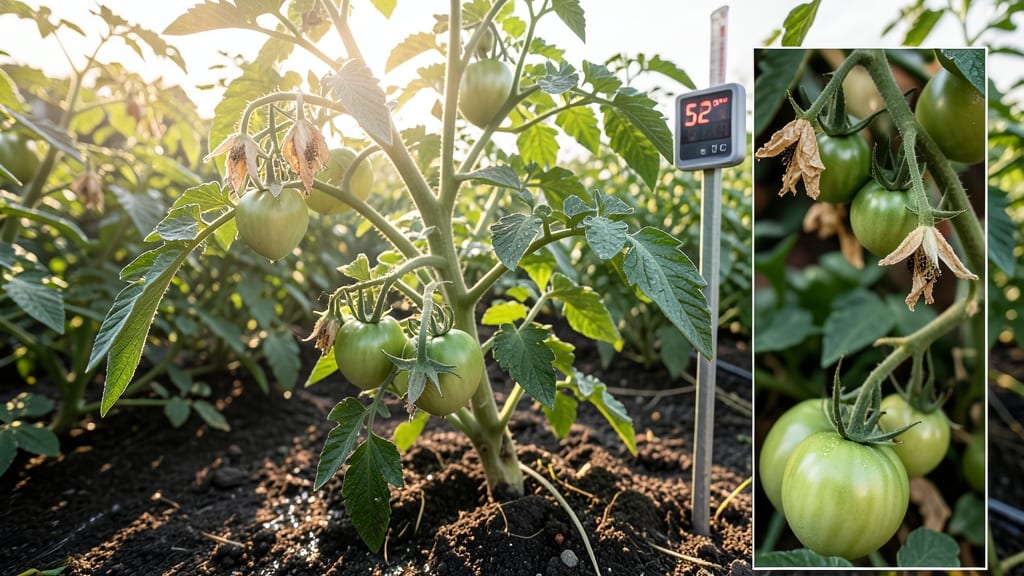
Tomato plants thrive in specific temperature ranges, but knowing exact limits prevents wilting, stunted growth, or even death. These seven key temperature thresholds will help you protect your plants year-round, whether you're growing in pots or garden beds.
Optimal Daytime Growth Temperature Range
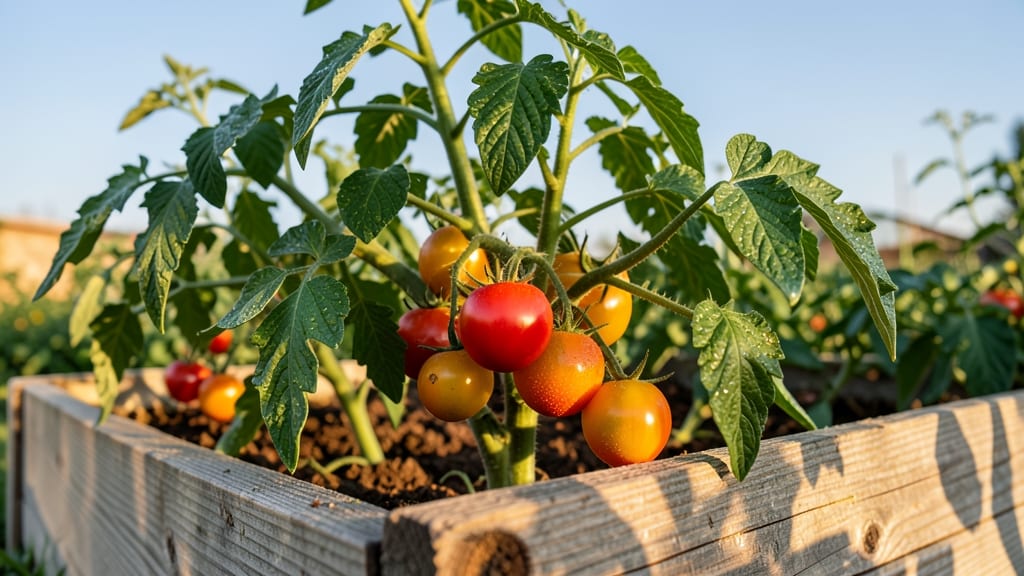
Want the juiciest tomatoes with the least effort? The ideal daytime temperature range for tomato plants—70°F to 85°F—is where photosynthesis and nutrient uptake hit peak efficiency, fueling both leafy growth and fruit development.
At these temperatures, your plants will produce stronger stems, larger leaves, and more blossoms, leading to a bountiful harvest. Below 60°F, growth slows dramatically, while above 90°F, photosynthesis shuts down, causing stress. Use lightweight shade cloth on scorching days to keep temps in this sweet spot, especially in Southern climates where afternoons can spike.
This range is especially critical for home gardeners in transitional zones (like Zone 7-8) where mornings may be cool but afternoons heat up. Mastering this balance ensures your plants channel energy into fruit production instead of survival mode. 🌻
Safe Minimum Nighttime Temperature
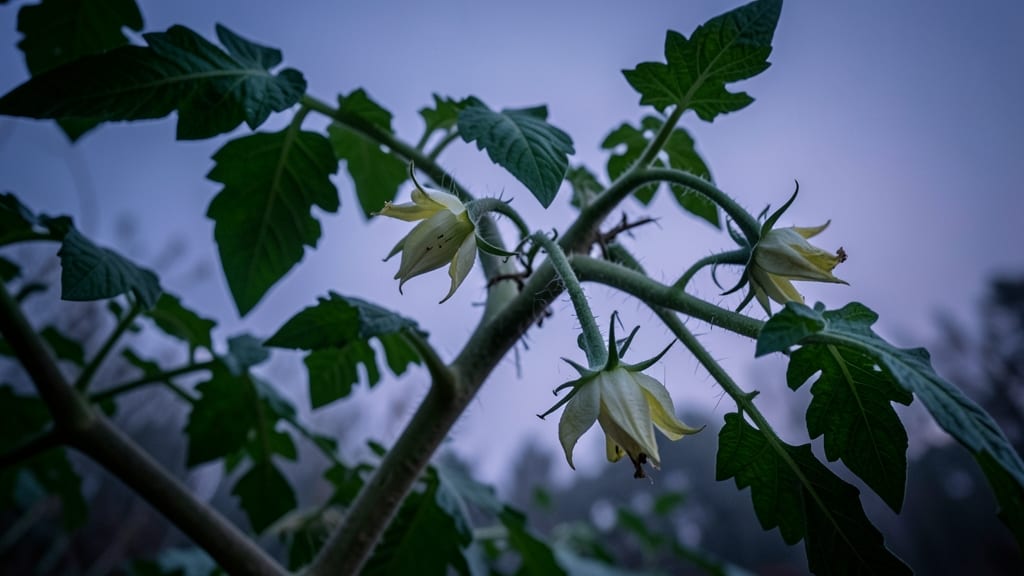
Cold nights can silently sabotage your tomato harvest by causing blossom drop before fruit even forms. Unlike daytime heat stress, nighttime chills often go unnoticed until you notice flowers falling like autumn leaves—leaving you with empty vines by summer.
Tomatoes need nights to stay above 55°F (13°C) to prevent blossom drop and ensure fruit set. Below this threshold, flowers abort before pollination occurs, wasting your plant's energy. For early-season or late-season gardeners, this means protecting plants with row covers or black plastic mulch when nighttime temps dip. Even a single night below 50°F (10°C) can trigger widespread blossom drop, so monitor forecasts closely.
This is especially critical for gardeners in cooler climates or those extending seasons with cold frames. A few degrees difference at night can mean the difference between a bountiful harvest and a barren vine. 🌻
Dangerous Heat Stress Threshold
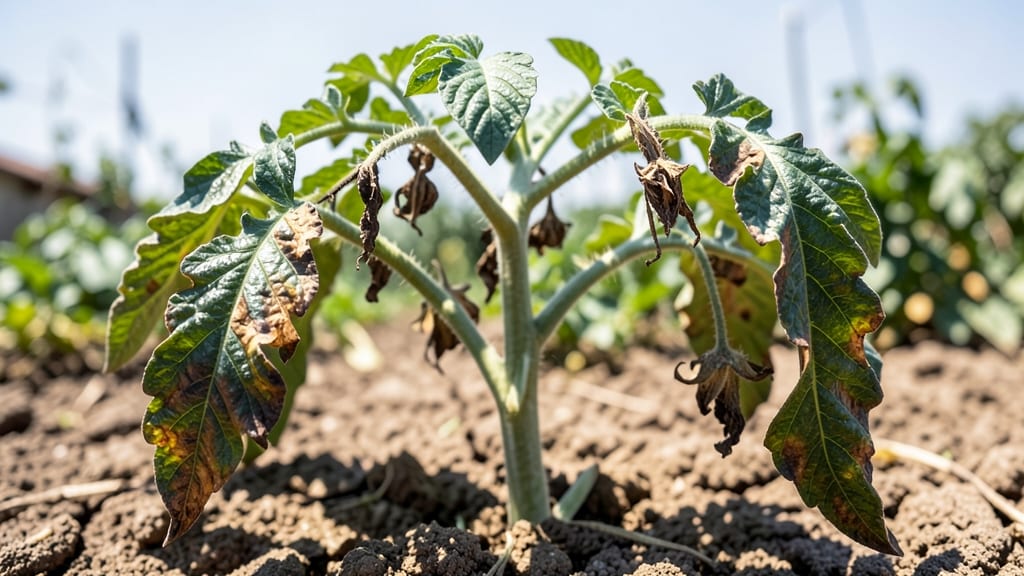
If your tomato plants suddenly look like they’ve been left in a sauna—leaves curled, glossy, or even scorched—you’re likely past the heat stress threshold. For tomatoes, this dangerous point kicks in when daytime temperatures hit 95°F (35°C) or higher, forcing them to shut down photosynthesis to prevent damage.
At these extremes, plants can’t regulate heat, leading to sunburned leaves, blossom drop, and stunted fruit development. Southern gardeners should watch for afternoon temperatures above 90°F (32°C), as prolonged exposure weakens plants and reduces yields by up to 50%. Shade cloth (30-50% coverage) or afternoon watering can help, but prevention is key—choose heat-tolerant varieties like 'Heatmaster' or 'Solar Fire' if you’re in a hot climate.
This threshold matters most for gardeners in USDA Zones 8-11, where summer heat can turn lush plants into crispy casualties overnight. 🌻
Cold Hardiness Limits for Young Seedlings
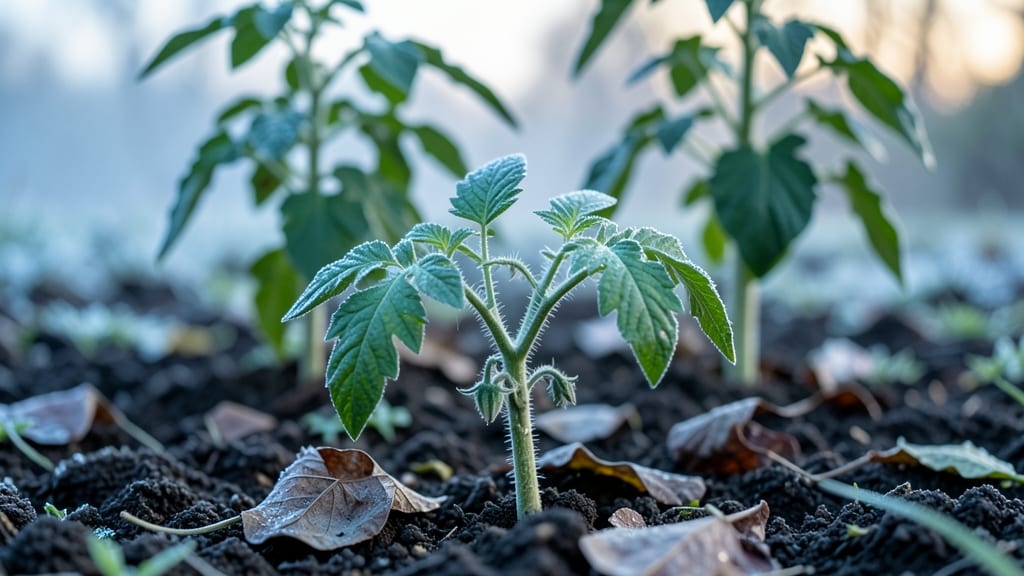
Young tomato seedlings can't handle the same chill as their mature counterparts—even a light frost can spell disaster. While established plants might shrug off 50°F nights, seedlings wilt or die when temperatures dip below 55°F consistently for more than a few hours.
For transplants or direct-sown seeds, use row covers when nighttime temps approach 45°F—this protects tender leaves from frost while allowing sunlight through. If your forecast predicts 32°F or lower, move seedlings indoors under grow lights until soil warms back up. Even a single night below 40°F can stunt growth permanently.
This is especially critical for gardeners in Zone 4-6 or anyone starting seeds early. A little preparation now means stronger plants that transition smoothly to outdoor conditions. 💚
Frost Damage Temperature for Mature Plants
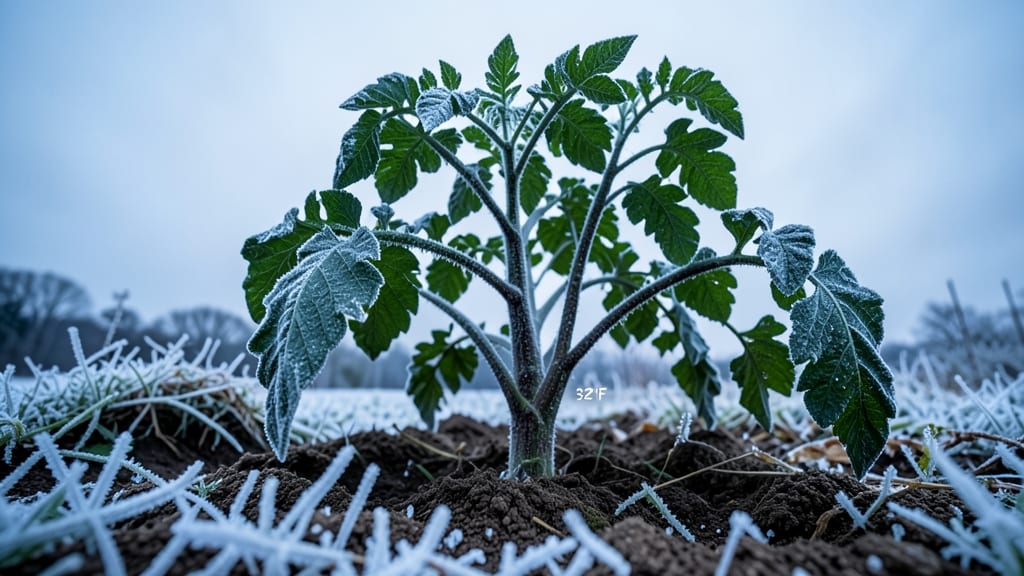
Your mature tomato plants may look sturdy, but frost below 32°F (0°C) will kill them—even if they're well-established. Unlike seedlings, mature plants have thicker stems, but their cells still rupture when ice crystals form, causing irreversible damage within hours.
To extend your growing season in cooler climates, monitor frost warnings and act fast. Use row covers, cloches, or cold frames to raise temperatures by just 5-10°F, often enough to protect plants until last frost. If frost hits, prune damaged foliage in spring—new growth will emerge from the woody stems if the core remains intact.
This threshold is especially critical for Zone 5-7 gardeners who rely on late-season harvests. Knowing this limit helps you decide whether to plant cold-hardy varieties or invest in season extenders like hoop houses. 💚
Ideal Temperature for Pollination Success
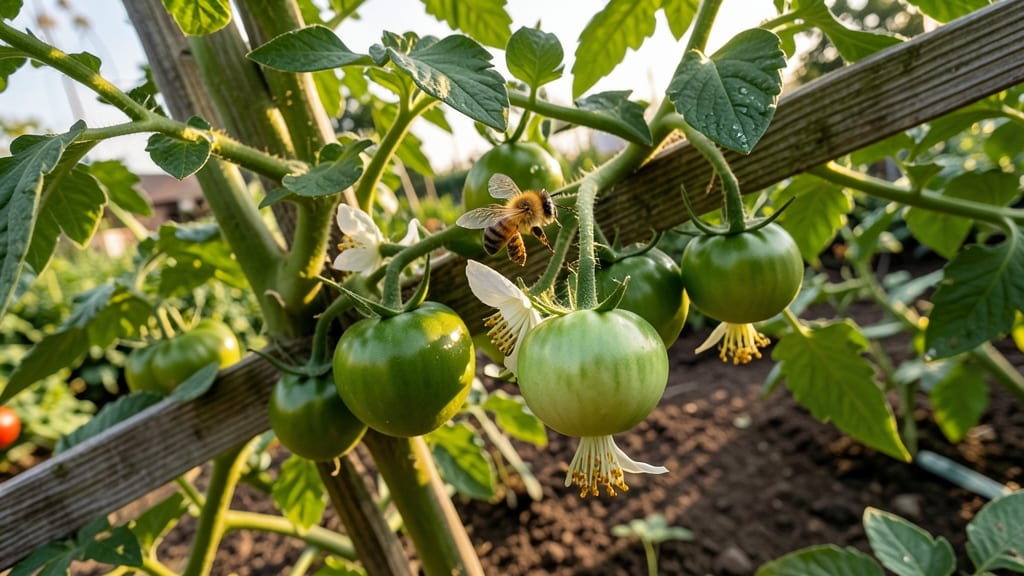
Want bigger, juicier tomatoes? The secret lies in pollination—and bees and wind work best when daytime temperatures hover between 70°F and 85°F. Outside this range, flowers may fail to set fruit, leaving you with fewer harvests despite all your hard work.
Bees are most active in this ideal pollination window, while wind pollination also thrives when air moves freely through open blossoms. If temperatures dip below 65°F, pollinators become sluggish, and above 90°F, flowers may drop before fertilization occurs. For container growers, morning watering can help regulate soil temps and keep flowers accessible to pollinators.
This range is especially critical for determinate varieties, which rely on synchronized pollination for uniform fruit set. Even indeterminate plants benefit from consistent pollination for larger yields. 🌻
Heat Wave Recovery Strategies
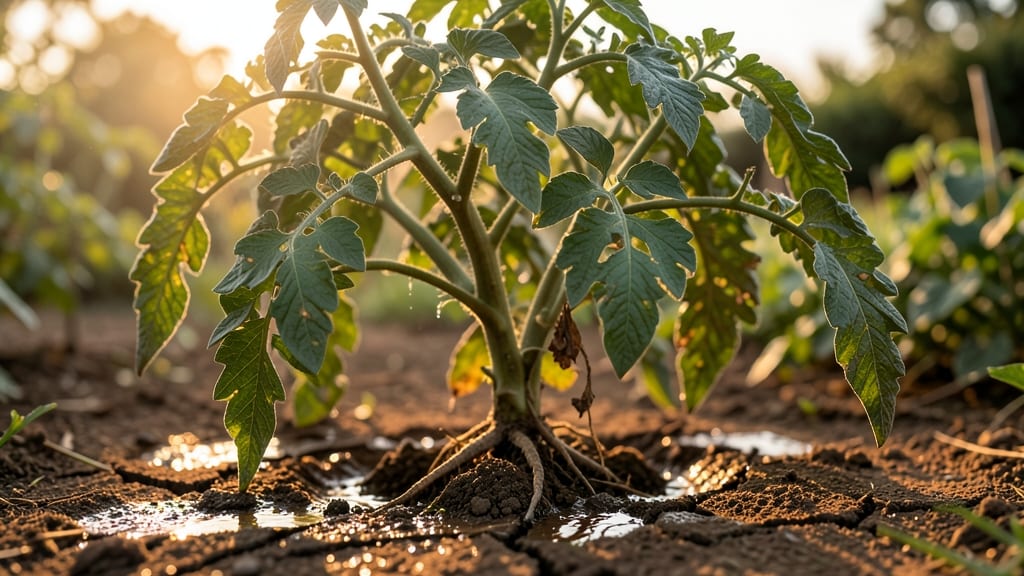
When heat waves leave your tomato plants limp and stressed, don’t panic—these recovery techniques can bring them back to life. Focus on soil moisture and root protection to help them bounce back from extreme heat exposure.
Start by watering deeply at the base of the plant in the early morning or late evening to avoid evaporation. Apply a 2-3 inch layer of mulch (straw or wood chips) to retain moisture and shield roots from heat. Prune any sunburned leaves to redirect energy to healthier growth, and consider providing temporary shade with a lightweight cloth if temperatures stay above 90°F (32°C).
Container gardeners should move pots to shadier spots and check soil moisture daily. With consistent care, most plants recover within 7-10 days, regaining vigor for a strong late-season harvest. 💪