
Companion Plants
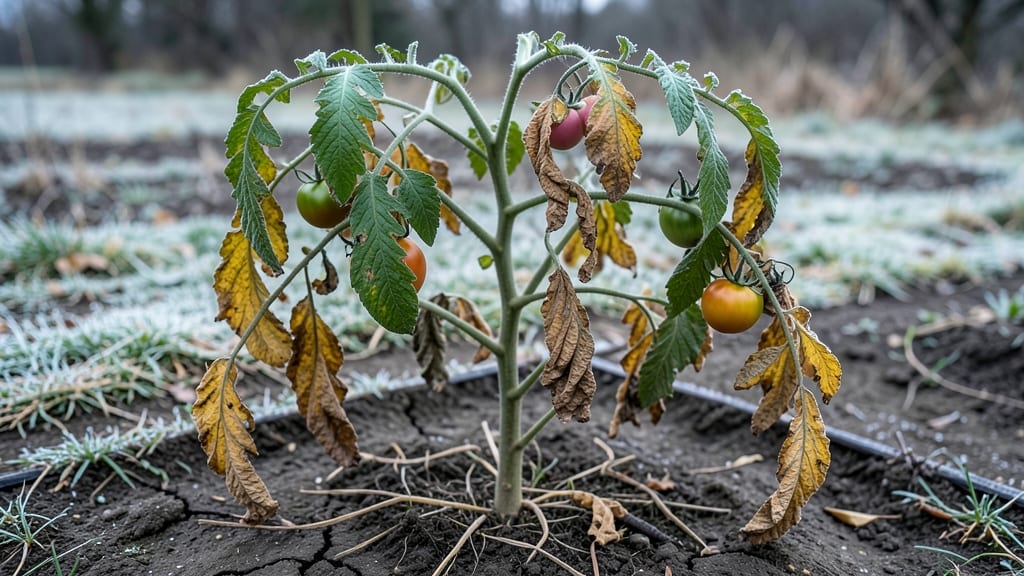
Tomato plants die at the end of their 3- to 6-month lifespan, but knowing when their decline begins helps you save your harvest—and avoid unnecessary losses.
Picture this: You’ve nurtured your 🍅 plants all season, only to watch them suddenly droop, leaves yellowing overnight. That’s not always disease—it could be the plant’s natural cycle kicking in. But how do you tell the difference between aging and trouble?
Most gardeners assume tomato plants die only from frost or blight, but the truth is more nuanced. Their lifespan depends on your climate, variety, and even how you prune. In Zone 6a, for example, plants often fade by late October unless you take action.
In this guide, I’ll break down the stages of a tomato’s life, the warning signs of decline, and—most importantly—how to extend their productivity so you’re still picking fruit right up until the first frost.
Tomato plant lifespan stages: when do they naturally die?
Tomato plants are annuals, meaning their natural lifespan spans just one growing season—typically 3 to 6 months from seedling to death. Unlike perennials, they don’t regrow after dying back, so understanding their lifecycle helps you time planting, pruning, and harvesting for maximum yield.
Their decline is often tied to seasonal changes, like shorter days or frost, but poor care can accelerate the process.
Most tomato plants follow a predictable cycle: germination (7-14 days), vegetative growth (4-6 weeks), flowering (2-3 weeks), and fruiting (6-10 weeks). After reaching peak production, they begin senescing—an aging process where energy shifts from leaves to fruit.
This natural decline is inevitable, but climate and care can influence how quickly it happens.
The average lifespan of a tomato plant is 90-120 days from transplanting to death, though early varieties may live only 60-70 days. Late-season or heirloom types can stretch to 150+ days in warm climates.
The key is recognizing the signs of aging versus disease, so you don’t pull plants prematurely or miss their last harvest.
Climate plays a huge role in their lifespan. In USDA Zone 10 (year-round growing), tomatoes might thrive for 8-10 months, while in Zone 5, frost often cuts their season to 3-4 months. Even in mild winters, cold snaps trigger dormancy or death. Understanding your zone helps you choose varieties and plan succession plantings.
During the fruiting stage, tomato plants channel energy into producing tomatoes, often at the expense of new leaf growth. This is when you’ll see older leaves yellowing—a normal sign they’re redirecting nutrients to the fruit.
However, if young leaves yellow or stems wilt suddenly, it could signal disease or pest damage rather than natural aging.
One of the biggest misconceptions is that tomato plants die only from frost. While frost is a common killer in cooler climates, plants also succumb to exhaustion after heavy fruiting.
Overloaded vines struggle to support both leaves and fruit, leading to premature decline. Pruning suckers and spent flowers can extend their lifespan by 2-3 weeks.
In tropical climates, tomato plants may not die from frost but instead from nutrient depletion or soil-borne diseases that build up over time. Even in warm areas, the plant’s internal clock triggers senescence after a set number of growth cycles.
This is why some gardeners in Zone 10 grow tomatoes year-round but still see plants die after 6-8 months.
If you’re growing heirloom varieties, expect a slightly longer lifespan than hybrids. Heirlooms often take 10-15% more time to mature but produce fewer fruits per plant.
Meanwhile, determinate varieties (bush types) have a more predictable 60-70 day lifespan, while indeterminate varieties (vining types) can keep producing until frost—sometimes up to 120+ days.
To maximize your tomato plant’s lifespan, focus on soil health, consistent watering, and proper sunlight. Even with perfect care, though, their days are numbered. The key is to harvest early and often, removing ripe tomatoes to encourage more production.
This trick can add 1-2 extra weeks of fruit before the plant finally calls it quits.
Signs your tomato plant is dying: how to tell the difference between normal aging and disease
Tomato plants often confuse gardeners with their sudden decline. A yellowing leaf might signal natural aging, while mushy stems could mean disease. The key is distinguishing between normal senescence and pathological issues.
Many gardeners pull plants too early, missing the last harvest, or ignore diseases until it's too late.
Start by checking the plant’s age. Most tomato varieties have a 3-6 month lifespan from seedling to harvest. If your plant is past its prime (e.g., late September in most climates), wilting may be natural.
However, if your plant is young but struggling, pests or disease might be the culprit.
Next, examine the leaves and stems. Yellowing lower leaves are normal as the plant matures, but crispy or brown edges suggest underwatering or fungal issues. Dark spots or mold on leaves or fruit? That’s likely blight or bacterial infection, requiring immediate action.
Wilting is another critical clue. If it happens during the hottest part of the day, it’s probably heat stress. But if wilting occurs early in the morning or after rain, root rot or disease may be at fault. Gently tug on the plant—if it pulls out easily, roots are likely damaged.
When to Pull vs. When to Save Your Tomato Plant
🌱 Normal Aging
- Yellowing lower leaves (starts at base)
- Plant is past harvest season (late summer/fall)
- Fruits are fully ripened and production slowed
- Stems may brown but remain firm
Action: Harvest remaining fruit and compost the plant.
⚠️ Disease/Pest Issue
- Dark spots or mold on leaves/fruit
- Wilting in cool weather or after rain
- Mushy stems or roots that pull away easily
- Holes in leaves (pests like hornworms)
Action: Remove affected parts and treat with fungicide or insecticide.
💧 Environmental Stress
- Crispy leaf edges (underwatering)
- Wilting in extreme heat (100°F+)
- Blossom end rot (calcium deficiency)
- Stunted growth despite proper care
Action: Adjust watering, mulch, or add calcium.
Don’t ignore fruit issues either. Blossom end rot (black, sunken spots) is often a calcium deficiency, not a death sentence. Increase calcium-rich amendments like crushed eggshells or lime. Meanwhile, cracked or rotting fruit signals overwatering or disease—reduce watering and prune affected branches immediately.
Create a simple diagnostic checklist to avoid mistakes. If your plant checks off 3+ normal aging signs (e.g., yellow leaves, late season, slow growth), it’s time to harvest and compost.
But if you see abnormal symptoms like mold, pests, or sudden wilting, act fast to save what you can. Remember, even a dying plant can yield a few more tomatoes if given the right care.
Pro tip: Take photos of symptoms and compare them to online resources like the University of Minnesota Extension’s tomato disease guide. A quick search can confirm whether your plant is aging gracefully or fighting for its life.
With the right diagnosis, you might just extend that harvest by weeks!