
Pests and Diseases
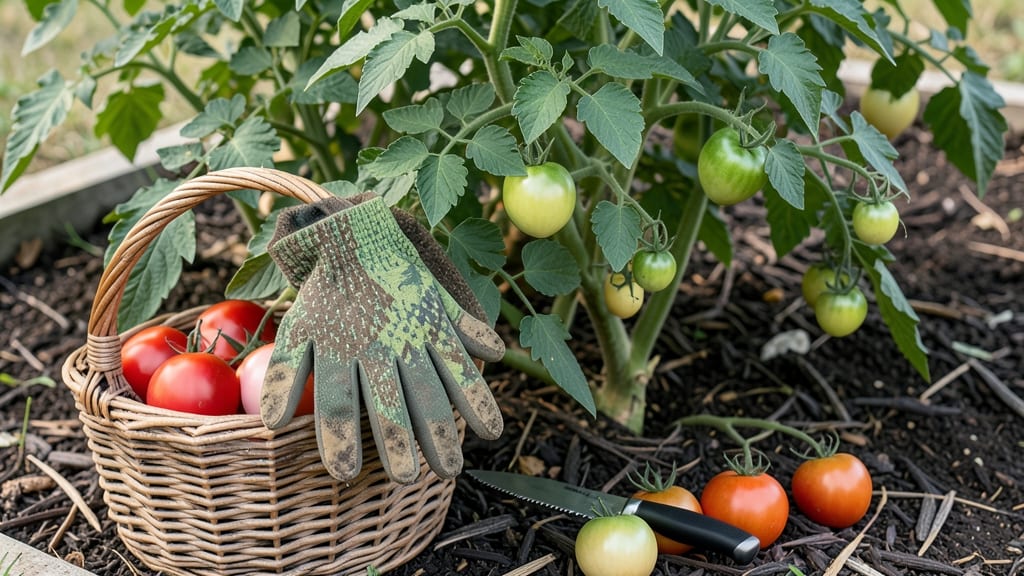
A tomato is ready to pick when its color deepens, skin softens slightly, and the stem separates with a gentle twist—these three signs mean peak flavor and texture.
Picture this: you’ve nurtured your 🍅 plants all season, only to wonder, "Did I wait too long?" or "Is it really ripe yet?" The truth is, picking too early or too late can turn a juicy reward into a meal of bland, mealy disappointment.
But here’s the good news: with just a few simple checks, you can tell when your tomatoes are at their best.
Beyond color, ripeness hides in subtle clues like size consistency, texture, and even how the fruit responds to a light squeeze. Miss these cues, and you might end up with tomatoes that never reach their full potential—or worse, split on the vine.
I’ll walk you through the exact steps to spot a perfectly ripe tomato every time, plus what to do if yours ripen too fast or too slow.
By the end, you’ll never second-guess your harvest again. Whether you’re growing heirlooms or hybrids, these tips guarantee tomatoes so flavorful, you’ll wonder why you didn’t master this sooner.


5 Visual and physical signs a tomato is ready to pick
There’s nothing worse than biting into a tomato that’s either underripe and mealy or overripe and mushy. The secret to perfect tomatoes lies in recognizing the exact moment when they’re ready to pick—before they hit the vine or the counter.
I’ve learned that heirloom varieties and hybrids ripen differently, so understanding these five key signs will save your harvest every time.
Tomatoes ripen through a complex process where ethylene gas triggers color changes and softening. But don’t rely on days-to-maturity alone—environmental factors like temperature and sunlight can delay or speed up ripening.
That’s why I always check for these visual and physical cues before deciding it’s time to harvest. Missing these signs can mean lost flavor or even rotten fruit on the vine.
- 1
- 2
- 3
- 4
- 5
Heirlooms: Rich red, yellow, or purple (no green patches). Hybrids: Uniform color (e.g., deep orange for 'Solar Fire').
Cherry: 1-2 inches. Beefsteak: 6-12 inches. Roma: 2-3 inches long. Compare to plant tags!
Gently squeeze—it should yield slightly (like a ripe avocado) but not feel mushy or squishy.
Grasp the tomato and twist gently—it should pop off cleanly without tearing. If it resists, wait 1-2 days.
Check the stem end—if green remains, the tomato isn’t fully ripe. Exceptions: 'Green Zebra' (stays green when ripe!).
Color is the first clue most gardeners notice, but it’s not the only one. For example, 'Black Krim' tomatoes turn deep purple-black when ripe, while 'Yellow Pear' varieties develop a golden hue.
Always cross-reference color with size and texture—a tomato might look red but still feel rock-hard if picked too early. I once harvested a batch of 'Brandywine' tomatoes that were red but tasted bland because they weren’t fully soft.
Texture is where many gardeners go wrong. A ripe tomato should have a slight give when you press it gently with your thumb. Think of it like a ripe peach—not mushy, but not hard either. If it feels firm and unyielding, it’s not ready.
Conversely, if it’s too soft or leaking, it’s overripe and best used immediately or for sauces. I learned this the hard way when I let a batch of 'Sungold' cherry tomatoes sit too long—they turned to jelly on the vine!
The stem separation test is my favorite trick because it’s foolproof. When a tomato is ripe, the stem should detach cleanly with a slight twist. If you have to pull hard or the stem tears, the tomato isn’t ready.
This is especially critical for heirloom varieties, which can crack if left on the vine too long. I always test 2-3 tomatoes per cluster to ensure consistency—some varieties ripen faster than others.
One common mistake is assuming all tomatoes ripen at the same rate. Hybrids like 'Celebrity' or 'Early Girl' ripen more uniformly, while heirlooms like 'Cherokee Purple' can take weeks longer. Climate also plays a role—cool nights can slow ripening, while hot, sunny days speed it up.
If your tomatoes are staying green despite warm weather, check for blossom end rot or calcium deficiency, which can delay ripening.
Avoid the temptation to pick tomatoes just because they’re color-changing. Some varieties, like 'Green Zebra', stay green when ripe, while others like 'Lemon Boy' turn yellow. Always refer to your seed packet or plant tag for variety-specific cues.
I keep a small notebook by my garden to jot down ripening patterns for each variety—I’ve found that 'Black Prince' tomatoes ripen faster in my zone than the packet suggests.
If you’re unsure whether to pick a tomato, err on the side of waiting 1-2 days. Overripe tomatoes on the vine can attract pests like fruit flies or hornworms, which will ruin your entire harvest. Store ripe tomatoes at room temperature (not in the fridge) to preserve flavor.
For green tomatoes that won’t ripen on the vine, pick them and store in a paper bag with a banana to speed up ethylene production.
Mastering these signs will transform your tomato harvest from hit-or-miss
How to pick tomatoes without damaging the plant or fruit
Harvesting tomatoes correctly protects your plant’s health and ensures peak flavor. The wrong technique can bruise fruit, stress the vine, or even invite pests. I’ve perfected a gentle method that works for cherry tomatoes, beefsteak varieties, and Roma types alike—without sacrificing yield or quality.
Timing matters just as much as technique. Picking too early robs you of sweetness, while waiting too long risks splitting or attracting pests. Even green tomatoes need strategic handling if you plan to ripen them indoors. Let’s break down the exact steps to harvest like a pro.
Step-by-Step Harvesting Guide
- 1 Check ripeness first: Look for deep, uniform color (no green patches) and a slight give when gently squeezed. The stem should separate easily with a slight twist.
- 2 Use the right tools: Grab a pair of sharp pruning shears or a small knife for cherry tomatoes. For larger varieties, twist gently until the stem snaps cleanly—no tugging!
- 3 Handle green tomatoes: If frost threatens, pick fully sized but green tomatoes and ripen indoors in a paper bag with a banana (ethylene gas speeds ripening).
- 4 Manage overripe fruit: If a tomato splits or turns mushy, harvest it immediately. Use it in sauces or freeze it—don’t let it rot on the vine and attract pests.
- 5 Store properly: Place harvested tomatoes in a single layer at room temperature (never in the fridge!) to preserve flavor and texture.
Pro tip: Harvest tomatoes in the morning when they’re cool and firm. This reduces bruising and gives you the best flavor. Avoid picking during hot afternoons—the heat makes fruit more fragile and prone to splitting.
For heirloom varieties, I recommend harvesting every 2-3 days to prevent overcrowding. Overripe tomatoes can stress the plant, so stay consistent! If you’re growing indeterminate varieties, check for ripe fruit daily—they produce continuously until frost.
Remember, the gentler you are, the healthier your plant stays. A little care during harvest means bigger yields and sweeter tomatoes next season. Happy picking! 🍅