
Plants
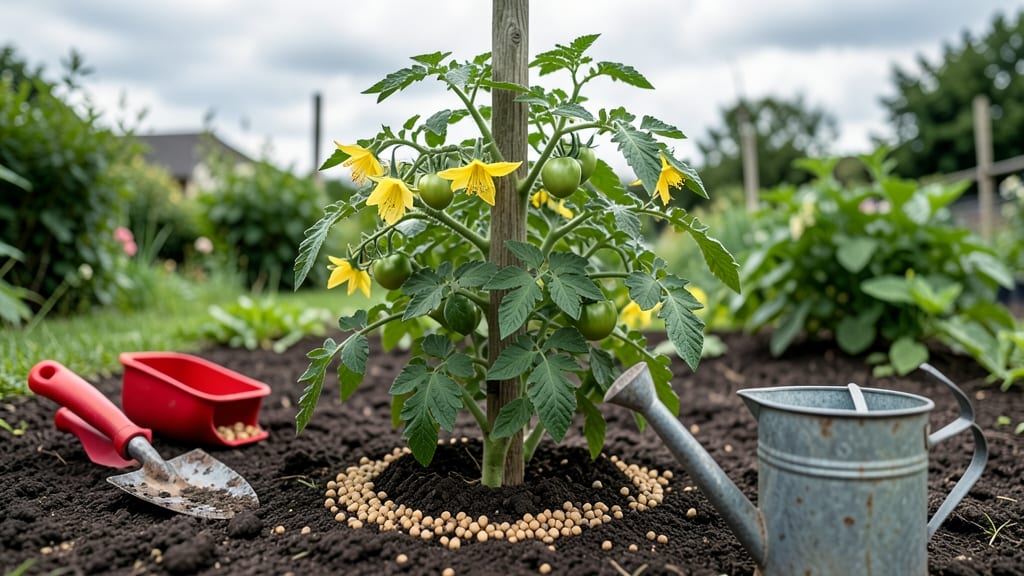
Fertilizing tomato plants at the right times is the secret weapon for turning 6-foot vines into heavy producers of juicy 🍅 fruit—skip it, and you’ll end up with lanky stems and tiny tomatoes.
Timing matters more than you think: Feed too early, and you’ll get leafy monsters with no fruit. Feed too late, and those ripe tomatoes never show up.
The key is matching fertilizer to each growth phase—from planting to flowering to harvest—so your plants have exactly what they need, when they need it.
In this guide, I’ll walk you through the exact schedule for fertilizing tomatoes, whether you’re using organic compost or synthetic blends, and how to spot when your plants are begging for a boost—or when you’ve overdone it.
By the end, you’ll know not just when to fertilize, but how much and why—so your tomato plants reward you with a harvest that puts store-bought to shame.
Tomato plant fertilization schedule by growth stage: key timing for healthy plants
Fertilizing your tomato plants at the right time is like giving them a turbo boost—just not at the wrong moment. Too early, and you’ll stunt root growth; too late, and your fruit production suffers.
The secret lies in matching your fertilizer schedule to each growth stage, from seedling to harvest. I’ve grown tomatoes for over a decade, and this precise timing has helped me avoid blighted leaves and maximize yields.
Tomatoes are heavy feeders, especially during flowering and fruiting, but they need a balanced approach. Organic fertilizers like compost or fish emulsion release nutrients slowly, while synthetic options provide quick fixes.
The key is understanding when to feed—not just what. Let’s break it down by stage so you can feed your plants like a pro.
📋 Summary Table: Tomato Fertilization by Growth Stage
The pre-planting stage is all about setting the foundation. Before you even plant your tomato seedlings, enrich the soil with compost or well-rotted manure. This ensures your plants have access to nutrients right from the start.
I swear by a 2-inch layer of compost mixed into the top 6 inches of soil—it’s like giving your tomatoes a head start on life.
Once your seedlings are in the ground, hold off on heavy fertilizing for 2 weeks. This gives their root systems time to establish without burning. A light application of a balanced fertilizer (like 5-5-5) at this stage helps transition them smoothly.
Think of it as their first vitamin shot after transplant shock.
When your plants hit the vegetative growth stage (usually 4-6 weeks after transplanting), they’re hungry for nitrogen. This is when you’ll see rapid leaf and stem growth. Use a high-nitrogen fertilizer (like 10-5-5) every 3-4 weeks.
But be careful—too much nitrogen here can delay flowering. I’ve seen gardeners overdo it and end up with lush foliage but no tomatoes!
Transition to a high-phosphorus fertilizer (5-10-10) when you spot flower buds. Phosphorus is the secret to strong roots and abundant blooms. Apply it every 2-3 weeks during the flowering stage. I like to use fish emulsion
Signs your tomato plants need fertilizer (and when to hold off)
Your tomato plants may be silently screaming for nutrients—or warning you to back off. Yellowing leaves, stunted growth, or poor fruit set are clear signals, but timing matters just as much as the fertilizer itself.
I’ve learned the hard way that feeding at the wrong stage can actually hurt your plants, not help them. Let’s decode what your tomatoes are telling you and when to act.
First, check the leaf color. Healthy tomato leaves should be deep green, not pale or yellowing. If you see lower leaves turning yellow first, it might signal nitrogen deficiency.
But if the new growth is yellowing, you’re likely overdoing it with fertilizer. Stunted stems or weak vines also mean your plants are struggling to access nutrients, while small, misshapen fruit suggests they need phosphorus for flowering and fruiting.
🌱
⚠️ When Should You Fertilize Tomato Plants?
Never fertilize during these critical times:
- 🌱 First 2-3 weeks after transplanting—let roots establish first
- 🌡️ Extreme heat (above 90°F/32°C)—plants burn from salt buildup
- 🍅 Late summer (6+ weeks before first frost)—encourages tender growth vulnerable to cold
Best times to feed: Early morning after watering, 3-4 weeks after transplanting, then every 4-6 weeks during fruiting. Always water first to prevent root burn.
Pay attention to the fruit development. If your tomatoes are slow to ripen or stay small, they need potassium.
But if they’re cracking or splitting, you might be over-fertilizing with nitrogen. Blossom end rot (black spots on fruit) often means calcium deficiency, which can be fixed with crushed eggshells or lime—not more nitrogen-heavy fertilizer.
Another red flag is excessive leafy growth with few tomatoes. This happens when plants get too much nitrogen early on, diverting energy away from fruit production. The fix?
Switch to a high-phosphorus fertilizer (like 5-10-10) once flowers appear. I once had a 6-foot-tall tomato plant with no fruit—until I adjusted the fertilizer blend!
Don’t ignore soil texture either. If your soil is hard or crusty after watering, roots can’t access nutrients. Amend with compost or aged manure before fertilizing.
And if you’re using granular fertilizer, scratch it into the top 2 inches of soil—never pile it at the base, or you’ll burn the roots.
Finally, observe your local climate. In hot, dry regions, tomatoes need more frequent feeding (every 3 weeks), while cooler climates can wait 6 weeks. Always test your soil first—over-fertilizing is just as harmful as under-fertilizing.
I once lost an entire heirloom tomato crop because I ignored the white crust of salt left on the soil after fertilizing.
🍅