
How To
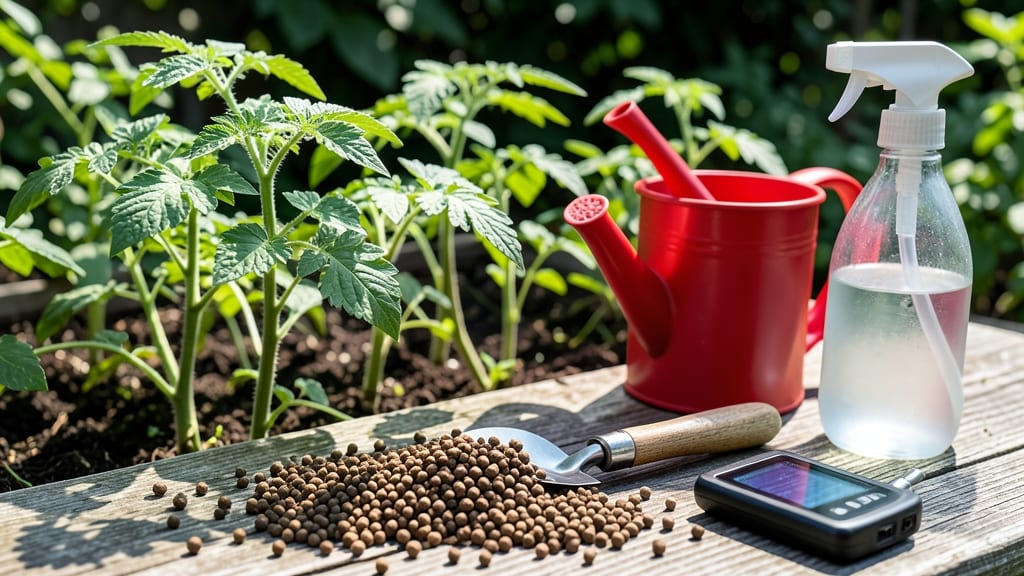
Fertilizing tomato seedlings too early can stunt their growth or burn delicate roots—but waiting too long means missing the critical 2-week window after transplanting when they need nutrients most.
Picture this: you’ve just moved your 🍅 seedlings into the garden, and now you’re staring at your fertilizer bag, wondering if today’s the day. The answer isn’t as simple as “more is better”—in fact, timing is everything.
Get it wrong, and you could end up with leggy, weak plants that never produce the harvest you’re dreaming of.
Here’s the secret: the 2-week rule isn’t just a random tip—it’s rooted in how tomato plants absorb nutrients. Too soon, and you risk overpowering their young roots. Too late, and you miss the chance to give them the boost they need to thrive when they’re most vulnerable.
In this guide, I’ll break down the exact moment to fertilize—plus the best types of fertilizer to use, how to avoid common mistakes, and why your climate plays a bigger role than you might think. Ready to grow stronger, healthier tomato plants?
The 2-Week rule: when to fertilize tomato seedlings for maximum root growth
When you transplant your tomato seedlings, timing is everything—especially when it comes to fertilization. The 2-week rule isn’t just a myth; it’s rooted in plant biology. During those first two weeks, seedlings focus on root establishment rather than foliage or fruit production.
Fertilizing too early can overwhelm their delicate systems, leading to burned roots or stunted growth. Think of it like teaching a toddler to walk before handing them a backpack—timing matters!
Your seedlings are ready for their first fertilizer dose when they’ve developed true leaves (not the initial seed leaves) and a sturdy stem about the thickness of a pencil. This usually happens 10-14 days after transplanting, depending on your climate.
If your seedlings are leggy or pale, they might need a little more time—don’t rush it! Patience here pays off in stronger plants later.
Here’s the science: Nitrogen (the first number in NPK) fuels leafy growth, but seedlings need phosphorus (the second number) to build robust roots. Early fertilization with too much nitrogen can create lush leaves but weak roots, making plants more prone to disease and wind damage.
The 2-week window lets roots catch up, so your plants can handle whatever comes next—whether it’s heat, pests, or fruit production.
Now, let’s talk fertilizer types. Organic options like compost tea or fish emulsion are gentler on seedlings, while synthetic fertilizers (like 5-10-10) offer precise nutrient ratios. For organic fertilizers, dilute them to half-strength for the first application.
Synthetic fertilizers should be applied at ¼ to ½ the recommended rate. Always water your seedlings thoroughly before and after fertilizing to prevent root burn.
| Stage | Action | Fertilizer Type | Dilution Ratio |
|---|---|---|---|
| First 2 Weeks Post-Transplant | No Fertilizer | None | N/A |
| 2-3 Weeks Post-Transplant | Light Feed | Organic (compost tea) or Synthetic (5-10-10) | ½ strength |
| Flowering Stage | Bloom-Boosting Feed | 10-20-20 or tomato-specific fertilizer | Full strength |
| Fruiting Stage | Maintenance Feed | Balanced (5-10-10) or organic | ½ strength |
If you’re using organic fertilizers, compost tea or worm castings are excellent choices for seedlings. They release nutrients slowly, reducing the risk of over-fertilization. For synthetic fertilizers, look for a balanced formula like 5-10-10 or a tomato-specific blend.
Avoid high-nitrogen products (like 30-0-0) until your plants are well-established. Remember, you can always add more fertilizer later, but you can’t undo root damage from overdoing it early.
Climate plays a role too. In cooler regions, seedlings might take longer to establish, so wait until they show signs of vigorous growth before fertilizing. In warmer climates, the 2-week window might shrink to 10 days, especially if your seedlings are growing rapidly.
Always check the soil moisture—dry soil can concentrate fertilizer salts, increasing the risk of burn. A simple finger test (stick your finger an inch into the soil) tells you if it’s time to water.
One common mistake is assuming that bigger leaves mean healthier plants. While lush foliage is tempting, prioritize root development over leafy growth. If your seedlings look leggy, they might need more light, not more fertilizer.
A grow light or move to a sunnier spot can work wonders without risking nutrient overload. And if you notice yellowing leaves, it could signal over-fertilization—flush the soil with water immediately to dilute excess salts.
For the best results, pair your first fertilizer application with a mulch layer (like straw or shredded leaves). Mulch helps retain moisture, keeps roots cool, and slowly releases nutrients as it breaks down. Avoid piling mulch directly against the stem, though—leave a 2-inch gap to prevent rot.
Common mistakes that kill tomato seedlings: over-fertilizing vs. under-fertilizing
Your tomato seedlings might look healthy at first, but fertilizer mistakes can silently sabotage their growth. Over-fertilizing causes leaf burn and root damage, while under-fertilizing leads to stunted stems and pale leaves. Both extremes disrupt the delicate balance seedlings need to thrive.
Young tomato plants rely on root development more than nutrient uptake. When you fertilize too soon, you stress their delicate root systems before they can establish properly. The key is waiting until after the 2-week rule—when seedlings have developed true leaves and sturdy stems.
Here’s what happens when you get it wrong: Over-fertilizing creates salt buildup in soil, causing crispy leaf edges. Under-fertilizing results in yellowing leaves and weak stems that can’t support future fruit weight. Both mistakes reduce your harvest potential by up to 50%.
When to Fertilize Tomato Seedlings
Do This
- Wait 2 weeks after transplanting
- Use balanced 5-10-10 fertilizer
- Apply when true leaves appear
- Dilute to half-strength for seedlings
Avoid This
- Fertilizing new seedlings (burns roots)
- Using high-nitrogen formulas early
- Applying when soil is dry (increases burn risk)
- Skipping root check before fertilizing
🌱 Pro Tip: Test soil pH first—tomatoes thrive at 6.2-6.8. Adjust with lime or sulfur before fertilizing.
Once your seedlings hit the 4-6 inch mark, switch to a bloom-boosting formula like 10-20-20. This higher phosphorus content encourages flower development, setting up your plants for a bountiful harvest. Monitor leaf color: dark green means it’s time to fertilize; yellow means you’ve overdone it.
If you notice crispy leaf edges after fertilizing, flush the soil with water for 15 minutes to dilute salts. For stunted growth, reduce fertilizer strength by 50% and focus on root aeration by gently loosening soil around the base. Both fixes take 2-3 weeks to show improvement.
Remember: Tomato seedlings are like teenagers—they need time to grow before you can push them too hard. Patience now means big rewards later when your plants burst with fruit. Start with the 2-week rule, and watch your seedlings thrive! 🌱