
Plants
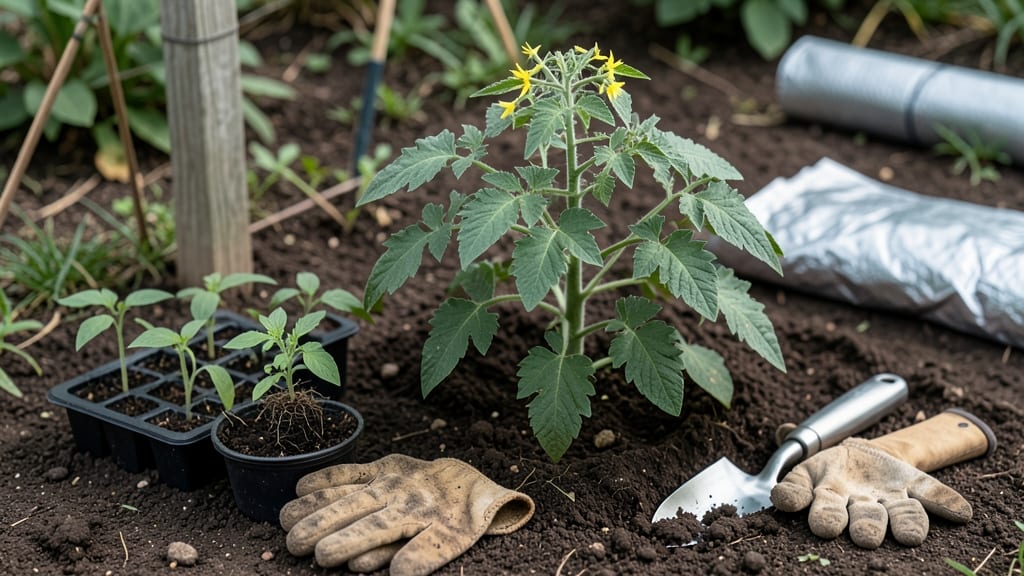
Plant tomato seeds in Michigan between March 15 and April 15 — timing them so they’re ready to transplant after the last frost, usually by mid-May.
Michigan gardeners know timing is everything — plant too early and risk frost damage, too late and miss peak harvests. The difference between a bountiful summer of juicy 🍅 and a sad, stunted vine often comes down to those few weeks.
In USDA Zones 5b-6b, the key is starting seeds indoors 6-8 weeks before your region’s last frost date. That means Upper Peninsula gardeners may need to begin by late March, while those in the Lower Peninsula can wait until early April.
Below, I’ll break down the exact frost-free timeline for your zone, soil temperature thresholds, and how to adjust for Michigan’s unpredictable spring. You’ll also discover three proven tricks to extend your growing season for earlier harvests.
Michigan tomato seed planting timeline by USDA Zone 5b-6b
Michigan’s USDA Zones 5b-6b offer a 150-day growing season for tomatoes, but timing is critical to avoid frost damage or missed harvests. The last frost date typically falls between April 15-30, depending on your region, while soil must reach 60°F before transplanting.
Understanding these windows ensures your tomato seeds and seedlings thrive.
For Zone 5b (northern Michigan), start seeds indoors 8 weeks before last frost (around March 1-15) to give seedlings a head start. In Zone 6b (southern Michigan), you can begin 1-2 weeks later (around March 15-30).
Direct sowing outdoors should wait until after May 1, when soil temperatures stabilize above 60°F.
Below is a detailed planting timeline tailored to Michigan’s climate, including key dates for indoor starts, outdoor transplanting, and harvest windows. Use this as your guide to maximize your tomato yield.
| Zone & Region | Indoor Start (Seeds) | Last Frost Date | Outdoor Transplant | Harvest Window | Soil Temp Threshold |
|---|---|---|---|---|---|
| Zone 5b (Northern MI) | March 1-15 (8 weeks before frost) | April 15-25 | May 15-25 (after soil warms) | July 20 - September 15 | 60°F+ (consistently) |
| Zone 6a (Central MI) | March 15-30 (7-8 weeks before frost) | April 20-May 5 | May 1-15 (soil at 60°F) | July 10 - September 30 | 60°F+ (consistently) |
| Zone 6b (Southern MI) | March 15-30 (6-7 weeks before frost) | April 25-May 10 | April 30-May 10 (soil at 60°F) | June 20 - October 15 | 60°F+ (consistently) |
When starting seeds indoors, use grow lights to provide 14-16 hours of light daily until seedlings are 2-3 inches tall. Harden off seedlings for 7-10 days before transplanting by gradually exposing them to outdoor conditions. This process helps prevent shock when moving them to your garden.
For direct sowing outdoors, wait until soil temperatures are consistently above 60°F—this typically aligns with late April to early May in most of Michigan. Use a soil thermometer to monitor temperatures, especially in Zone 5b, where cooler soils delay growth.
Plant seeds 1/4 inch deep and space them 2-3 feet apart for adequate airflow.
Tomatoes in Zone 6b (southern Michigan) can produce fruit until mid-October, while Zone 5b gardeners should expect harvests to end by mid-September. To extend your season, consider cold-hardy varieties like 'Stupice' or 'Glacier', which tolerate cooler temperatures better than traditional varieties.
If you’re growing heirloom or indeterminate varieties, plan for staking or caging early—these plants can grow 6+ feet tall and need support. Install stakes at transplanting to avoid root disturbance later.
Mulch around plants with straw or grass clippings to retain moisture and suppress weeds, which is especially important during Michigan’s hot, dry summers.
Monitor your garden for early signs of blight, common in Michigan’s humid climate. Remove affected leaves immediately and avoid overhead watering to reduce disease risk. With the right timing and care, your tomato plants will reward you with a bountiful harvest—just in time for summer picnics and fall canning.
Pro tip: Keep a planting journal to track your frost dates and soil temperatures year after year. This helps you fine-tune your schedule for future seasons and adapt to Michigan’s unpredictable weather patterns.
How to extend Michigan’s tomato growing season for earlier harvests
Michigan’s short growing season can be challenging for tomato lovers, but with the right techniques, you can push your harvest window weeks earlier. The key is protecting young plants from late spring frosts while giving them a head start.
I’ve found that combining season extenders with strategic planting yields tomatoes as early as June in many areas.
Start by choosing cold-hardy tomato varieties like 'Stupice' or 'Mountain Merit'—these can tolerate cooler temperatures better than standard varieties. Pair them with protective methods to maximize your early season success. My favorite approach combines row covers with heat mats for seedlings, creating a microclimate that mimics summer conditions.
Here’s how I weigh your options for extending the season—each method has trade-offs depending on your setup and budget:
Season Extension Methods for Michigan Tomatoes
Cold Frame
✅ Pros:
- Extends season 4-6 weeks
- Protects from light frosts
- Reusable for fall harvests
❌ Cons:
- Requires sun exposure
- Needs ventilation to avoid overheating
- Limited space for large plants
Row Covers
✅ Pros:
- Lightweight and affordable
- Allows rain penetration
- Easy to remove/secure
❌ Cons:
- Reduces light by 30%
- Needs stakes/hoops for support
- Less durable than plastic tunnels
Heat Mats
✅ Pros:
- Speeds up seedling growth
- Works well indoors/outdoors
- Energy-efficient alternative to heaters
❌ Cons:
- Requires power source
- Can overheat seedlings if unmonitored
- Higher upfront cost
Companion Planting
✅ Pros:
- Natural pest deterrent
- Improves soil health
- No extra equipment needed
❌ Cons:
- Requires space planning
- Some plants compete for nutrients
- Less effective against heavy frost
For the best results, I recommend combining heat mats for seedlings with row covers after transplanting. This two-step approach gives your plants a warm start while protecting them from Michigan’s unpredictable late frosts.
Plant basil or marigolds nearby—these companions deter pests and improve flavor, which is a bonus for early harvests.
Timing is critical: start seeds indoors with heat mats by late February for transplanting in early May, just as the last frost passes. Use a soil thermometer to confirm ground temperatures are above 55°F before removing covers permanently.
My earliest harvests come from plants under row covers, often ready by late June instead of July.
Don’t forget to monitor weather forecasts—Michigan’s spring can shift quickly. If frost is predicted, cover plants with old blankets or burlap for an emergency shield. With these methods, you’ll enjoy homegrown tomatoes 3-4 weeks earlier than traditional planting schedules allow.