
Plants
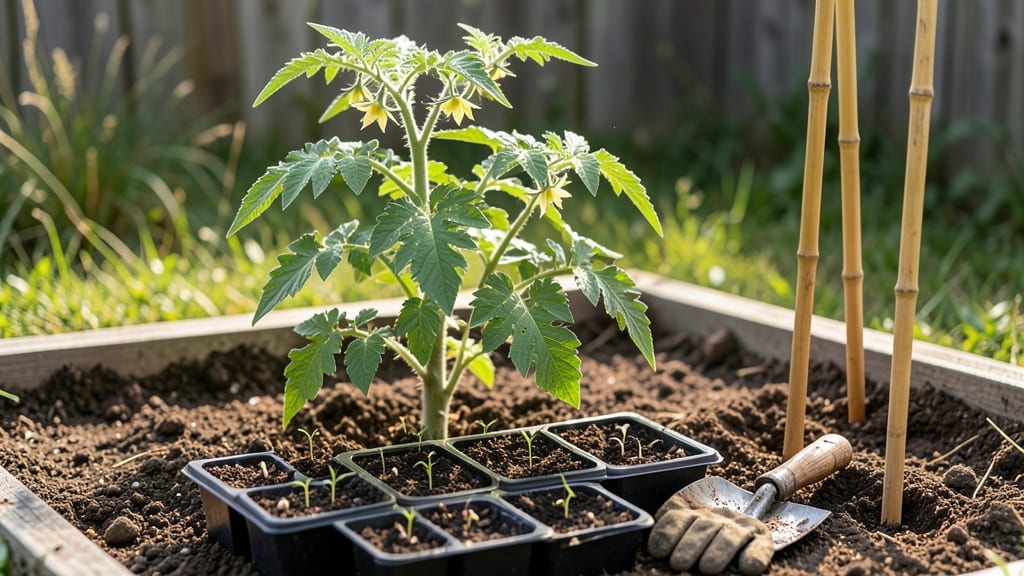
Planting tomato seeds in California depends on your exact location — whether you're in coastal San Diego or the Central Valley, timing makes or breaks your harvest.
California’s diverse microclimates mean your tomato seeds could fail if planted at the wrong time—whether you’re in frost-prone Sacramento or coastal San Diego. Get the exact planting deadlines for your county to maximize yield and avoid common mistakes.
From indoor starts in February for early varieties to outdoor transplants by April, the right schedule keeps your 🍅 plants thriving through summer heat. Learn how to adjust for your region’s unique conditions and avoid costly delays.
Here’s how to pinpoint the best dates for your county, including soil temperature tips and indoor-starting tricks to get a head start on the season.
California tomato seed planting deadlines by county (indoor vs outdoor timing)
California’s tomato planting success hinges on your local microclimate. Coastal areas like San Diego have mild winters, while inland Sacramento faces late frosts. Timing your indoor starts and outdoor transplants correctly ensures robust seedlings and bumper crops.
Below are the county-specific deadlines for tomato seed planting, including last-frost averages and soil temperature thresholds.
For Northern California, start seeds 6-8 weeks before your last frost date. In Southern California, you can plant directly outdoors as early as February in mild zones.
Always check your USDA hardiness zone—most of California falls between Zones 7-11. Use this guide to align your planting schedule with your county’s unique climate patterns.
Pro Tip: Coastal areas often have delayed spring warming due to ocean breezes. Inland valleys can experience sudden heat spikes—both require adjustments to standard planting timelines. Below is your county-by-county breakdown of indoor start dates and outdoor transplant windows.