
Plants
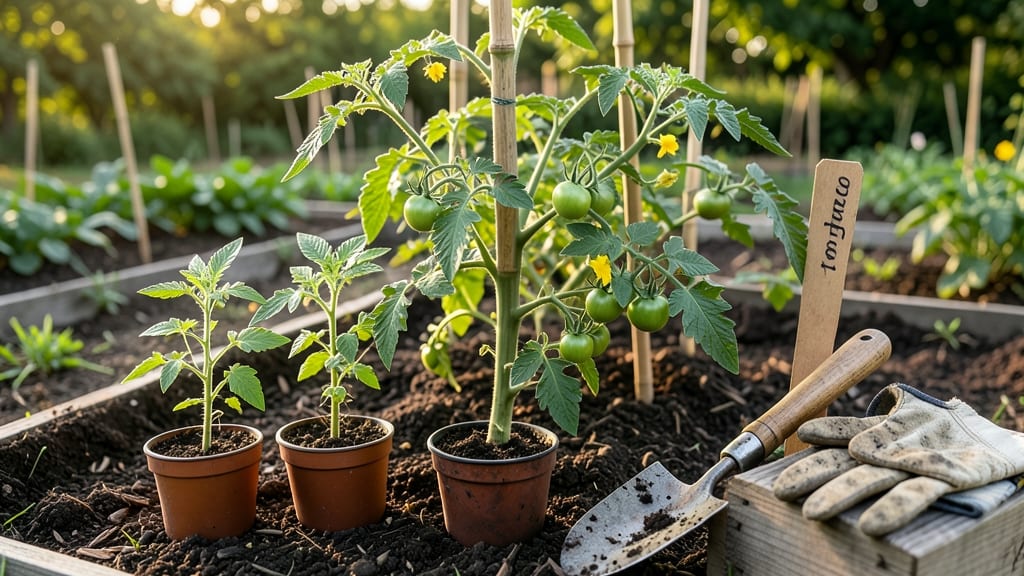
Planting tomato seeds in Oregon at the right time means the difference between a bountiful harvest of juicy 🍅 and a season of disappointment.
Oregon’s diverse climate—from coastal fog to inland heat—means planting tomato seeds at the wrong time can spell disaster for your harvest. Get the exact frost-date timeline for your county to maximize yield and avoid late-season surprises.
Most gardeners in USDA zones 7b-9a should start seeds indoors 6-8 weeks before their last frost, typically between mid-February and early April. But coastal areas like the Willamette Valley have later frost dates than high-desert regions like Bend, so timing matters.
Below, I’ll break down the ideal planting windows by county, how to adjust for microclimates, and Oregon-specific varieties like 'Mountain Merit' that thrive in our unique conditions.
Oregon county-specific tomato seed planting dates by frost zones
Oregon’s diverse frost zones mean your tomato seed planting timeline should vary dramatically between coastal Multnomah County and high-desert Harney County. The Willamette Valley enjoys 180+ frost-free days, while eastern Oregon often sees only 120-150 days.
To avoid late-season frosts or overly early planting, use these county-specific seed-starting windows and transplant dates.
Most Oregon gardeners start tomato seeds indoors 6-8 weeks before last frost—but your exact timing depends on your USDA zone and microclimate.
For example, Lane County (Zone 8a) has a later last frost (around May 1) than Jackson County (Zone 7b), where frost lingers until May 15.
Below, I’ve broken down indoor seed-starting and outdoor transplant dates for 10 key Oregon counties, plus tips for coastal fog belts and high-desert areas.
Pro Tip: Use a soil thermometer to confirm 60°F+ soil temps before transplanting—cold soil delays growth and increases disease risk. In cooler zones, opt for early-maturing varieties like 'Stupice' or 'Mountain Merit', which thrive in shorter seasons.
| County | USDA Zone | Last Frost Date | Indoor Seed Start | Outdoor Transplant | Notes |
|---|---|---|---|---|---|
| Multnomah | 8a | March 25–April 5 | February 15–March 1 | April 20–May 10 | Coastal fog delays warming; use row covers. |
| Lane | 8b | April 1–April 15 | February 20–March 10 | April 25–May 15 | Eugene’s mild winters allow earlier starts. |
| Clackamas | 7b | April 10–April 20 | February 25–March 15 | May 1–May 10 | Higher elevation areas may need later dates. |
| Jackson | 7b | May 1–May 15 | March 15–March 30 | May 15–June 1 | Medford’s heat speeds up growth; plant late. |
| Deschutes | 6b | May 15–May 30 | March 20–April 5 | June 1–June 15 | Bend’s short season favors fast varieties. |
| Harney | 5a | June 1–June 15 | April 1–April 15 | June 15–July 1 | High desert; use cold frames for extension. |
| Hood River | 7a | April 20–May 5 | March 1–March 15 | May 10–May 25 | Cool nights; opt for heat-tolerant varieties. |
| Clatsop | 8b | March 15–April 1 | February 1–February 15 | April 10–April 30 | Astoria’s marine layer requires patience. |