
Plants
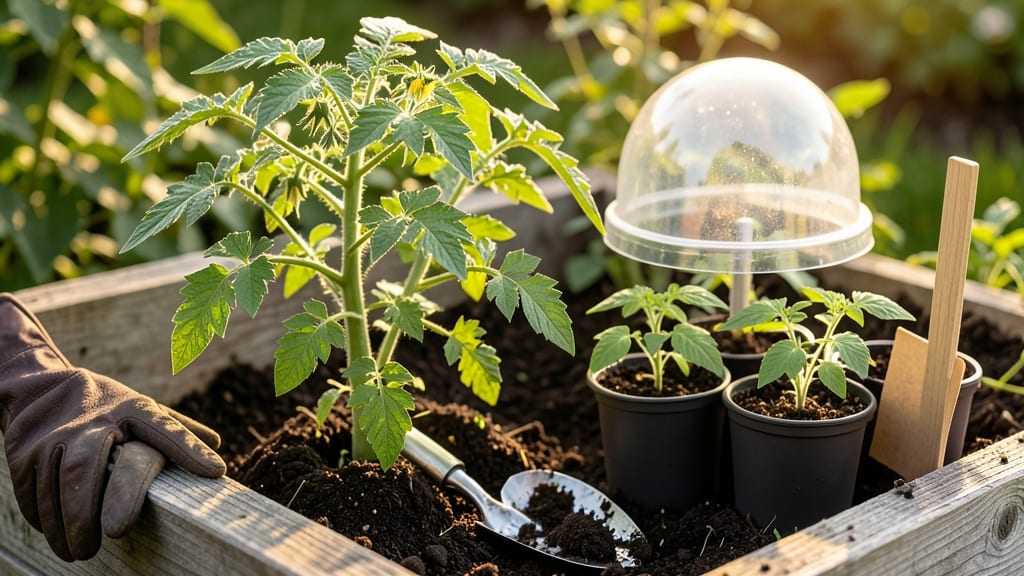
Planting tomato seeds in Tennessee at the right time means the difference between a garden bursting with 🍅 and one that fizzles out before harvest.
Tennessee’s warm springs and long summers make it a tomato gardener’s paradise—but planting too early or late can mean the difference between a bumper crop and a sad, wilted failure. Timing is everything, especially in USDA Zone 7a, where frost dates shift yearly.
Most gardeners in Tennessee start seeds indoors 6-8 weeks before the last frost, which typically falls between March 15 and April 15. This gives seedlings a head start before transplanting outdoors in late April or early May, when soil temperatures hit the sweet spot of 60°F.
In this guide, I’ll break down the exact planting deadlines for your region, how to adjust for late frosts or early heatwaves, and the 5 biggest mistakes Tennessee gardeners make—so you can avoid them and enjoy a garden full of ripe, juicy tomatoes all summer long.
Tennessee tomato planting deadlines by last frost date (zone 7a guide)
In USDA Zone 7a, where Tennessee falls, your tomato planting success hinges on understanding the last frost date range of March 15–April 15. This window dictates whether you’ll start seeds indoors or transplant outdoors—and missing it can mean frost-killed seedlings or stunted growth.
I’ve planted tomatoes here for years, and I can’t stress enough how critical these dates are for peak yields.
For most of Tennessee, the average last frost date lands between March 15 and April 15, but microclimates (like Nashville’s urban heat islands or the Smoky Mountains’ cooler valleys) can shift this by 1–2 weeks.
If you’re in doubt, use the April 15 cutoff as your last resort for outdoor planting—any later, and your heat-sensitive varieties (like Cherokee Purple) may struggle.
Here’s the golden rule: Count backward 6–8 weeks from your last frost date to determine when to start seeds indoors. For example, if your frost date is April 1, you’d sow seeds by February 1–15.
This gives seedlings enough time to develop strong root systems before transplanting, which is especially crucial in Tennessee’s variable spring weather.
If you’re direct-sowing outdoors, wait until soil temperatures hit 60°F (use a soil thermometer!) and nighttime temps stay above 50°F. In Tennessee, this typically aligns with mid-April to early May, but always check your local Almanac or CoCoRaHS data for real-time updates.
🌱 Pro Tip: Use row covers if planting early to protect seedlings from unexpected late frosts, which can still occur in Tennessee’s Zone 7a until mid-April.
🌱 Tennessee Tomato Planting Timeline by Last Frost Date
| Planting Method | Start Indoors | Transplant Outdoors | Last Frost Backup | Notes |
|---|---|---|---|---|
| Standard Schedule | Feb 15–Mar 1 | Apr 15–May 1 | Apr 15 | Ideal for most TN Zone 7a regions |
| Early Heatwave Risk | Feb 20–Mar 10 | Apr 1–Apr 15 | Mar 31 | Use row covers for late frosts |
| Late Frost Risk | Mar 1–Mar 15 | May 1–May 15 | Apr 30 | Choose heat-tolerant varieties |
| Direct Sow Outdoors | N/A | Apr 20–May 10 | May 1 | Soil must be 60°F+ |
⚠️ Adjust dates based on your local microclimate (e.g., Smoky Mountains vs. Nashville).
If you’re direct-sowing seeds outdoors, aim for April 20–May 10, but only if your soil is warm enough (60°F+). I’ve seen too many gardeners rush this step and end up with leggy, weak seedlings that never recover.
Test your soil with a thermometer—it’s the only way to be sure.
For succession planting, which extends your harvest into late fall, start a second batch of seeds indoors in late May and transplant in late June. This works especially well for heat-loving varieties like Sungold cherry tomatoes, which thrive in Tennessee’s summer heat.
🌡️ Watch for early heatwaves: If temperatures soar above 90°F before your plants are established, they’ll bolt (flower too early) or develop sunscald. Use shade cloth or plant in partial shade
How to adjust tomato planting for Tennessee’s microclimates (East vs. west vs. mountain regions)
Tennessee’s USDA Zone 7a spans diverse microclimates that can shift your tomato planting schedule by weeks. In the humid East (like Memphis), urban heat islands may push last frost dates 2-3 weeks later than rural areas.
Meanwhile, the Smoky Mountains can experience late frosts until May 1 due to higher elevations. These variations mean your neighbor’s timing might not work for your garden!
For West Tennessee (e.g., Nashville), aim to transplant seedlings outdoors by April 15—the urban heat helps warm soil faster. In East Tennessee (e.g., Knoxville), wait until April 25 to avoid late frosts lingering in valleys.
Mountain regions like Gatlinburg should delay until May 10 for safety, as temperatures drop 5°F per 1,000 feet elevation.
🌱 Key Planting Adjustments by Tennessee Region
| Region | Last Frost Date | Transplant Window | Soil Prep Tip |
|---|---|---|---|
| West (Nashville) | March 25–April 5 | April 15–April 30 | Test soil pH (aim for 6.0–6.8); add compost to offset urban soil compaction. |
| East (Chattanooga) | March 15–April 1 | April 20–April 25 | Mulch with straw to retain moisture in drier spring winds. |
| Mountains (Gatlinburg) | April 1–May 1 | May 10–May 15 | Use black plastic mulch to warm soil faster in cooler elevations. |
💡 Pro Tip: For all regions, harden off seedlings for 7–10 days before transplanting to prevent shock from temperature swings.
Soil preparation varies dramatically across Tennessee. In West Tennessee’s clay-heavy soils, mix in 2–3 inches of compost to improve drainage—this area’s higher humidity increases fungal risks like early blight.
For East Tennessee’s rocky soils, amend with aged manure or leaf mold to boost organic matter, which helps retain moisture during the region’s hotter summers.
Mountain gardeners should focus on soil warmth more than timing. Use row covers or cold frames to extend the season, as nights can still dip below 50°F after May 1.
Test soil temperature with a soil thermometer—tomatoes need 60°F+ soil to thrive. If your soil runs cold, delay planting or use black plastic mulch to absorb heat.
Regional tomato varieties also play a role. In West Tennessee’s heat, opt for heat-tolerant varieties like ‘Celebrity’ or ‘Heatmaster’ (they handle 90°F+ temps better). For East Tennessee’s shorter season, choose early-maturing types like ‘Stupice’ (55 days) or ‘Mountain Merit’ (65 days).
Mountain gardeners can grow heirlooms like ‘Cherokee Purple’, which ripen slowly in cooler climates.
Don’t forget to adjust your watering schedule by region. West Tennessee’s high humidity means watering in the early morning only (to avoid fungal spores), while mountain areas may need afternoon watering to prevent evening chill stress.
Use drip irrigation to keep foliage dry—this reduces blossom end rot, a common issue across all Tennessee microclimates.