
Companion Plants
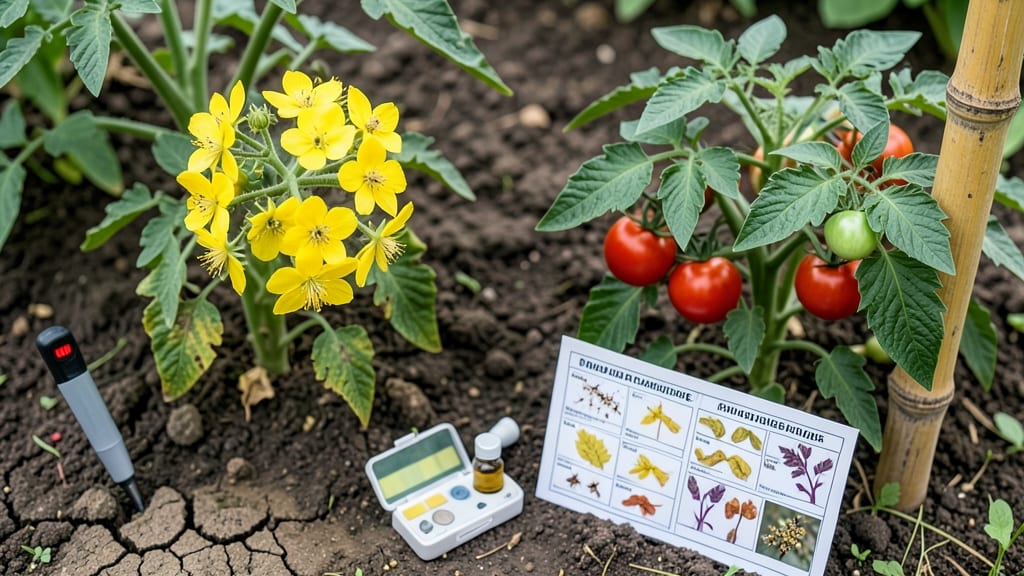
Your tomato plants are throwing blossoms like confetti instead of why are my tomato plants not producing fruit—here’s why. 🌱 The culprit is usually one (or more) of 10 common issues, from sunlight shortages to nutrient imbalances, and the fixes are simpler than you’d think.
I’ve seen this happen to gardeners with decades of experience, and the good news? Most problems have quick solutions that start working within days.
First, check your plant’s basic needs: 6+ hours of direct sun daily, consistent moisture (not soggy soil), and proper spacing for airflow. Overwatering or underwatering stresses plants into dropping blossoms, while too much nitrogen (from fertilizer) fuels leaves instead of fruit.
Even pests like aphids or spider mites can drain energy before fruit sets. The key is observing—wilting leaves? Yellowing? Dropping blossoms? Each clue points to a different fix.
You’ll likely see results within 2-3 weeks after adjusting care—more blossoms staying put, tiny fruits swelling, and eventually, tomatoes ripening on the vine. The best part? These fixes work for both container and in-ground plants, and once you spot the patterns, you’ll prevent future flops.
Let’s troubleshoot step by step so you can enjoy that first homegrown tomato sooner than you think.
For stubborn cases (like persistent blossom drop or stunted growth), we’ll dig into soil tests, pollination tricks, and even when to prune for better yield. No more guessing—just actionable fixes tailored to your garden’s specific clues. Ready to turn those blossoms into a bountiful harvest?
Root Causes of Poor Tomato Fruit
Tomato plants are generous gardeners’ gifts—until they aren’t. When your lush green vines refuse to turn their promise of juicy red (or yellow, or purple) fruit into reality, it’s often due to a mix of environmental, biological, or even human-induced factors.
Understanding why your plants are playing hard to get is the first step to turning things around. Below, we break down the top culprits behind stalled or absent tomato production, backed by science and actionable insights.
🐝 Did you know? Tomatoes rely on pollinators—or gentle human intervention—to trigger fruit set. Without proper pollination, flowers drop off like confetti, leaving you with a "promise" instead of a harvest.
Why it happens:
- Lack of bees/wind: Tomatoes are self-pollinating, but they need a little help. Bees carry pollen between flowers, but urban gardens, greenhouses, or early/late seasons may lack their buzz.
- Humidity or rain: Heavy moisture can wash away pollen or prevent it from sticking to stigmas (the flower’s receptive part).
- Genetics: Some heirloom or cherry tomato varieties are partially self-pollinating and may need extra love.
Actionable fix:
- Hand-pollinate by gently shaking plants during peak bloom (morning is best) or use a small paintbrush to transfer pollen between flowers.
- Attract pollinators: Plant companion flowers like basil, marigolds, or borage near your tomatoes to lure bees.
- Avoid over-fertilizing with nitrogen—too much leafy growth = fewer flowers.
🌡️ Tomatoes are tropical plants at heart—they hate extremes. When temps stray from their comfort zone, they throw a fit by dropping blossoms or failing to set fruit.
Why it happens:
- Cold snaps (<55°F/13°C): Nighttime temps below 55°F (13°C) can cause blossom drop (a condition called "puffy blooms" or "cold stress").
- Heat waves (>90°F/32°C): Above 90°F (32°C), pollen production grinds to a halt, and flowers abort.
- Rapid temperature swings: Fluctuations confuse the plant’s reproductive cycle.
Actionable fix:
- Use row covers for early-season protection against cold.
- Provide afternoon shade (especially in hot climates) with shade cloth (30–50% coverage).
- Mulch heavily to stabilize soil temps and reduce stress.
- Choose heat-tolerant varieties like ‘Solar Fire,’ ‘Heatmaster,’ or ‘Arkansas Traveler.’
📊 Tomatoes are heavy feeders, but too much (or too little) of the wrong nutrients can sabotage fruit production. Think of it like a diet gone wrong—your plants are either overindulging in junk (nitrogen) or starving for the good stuff (phosphorus/potassium).
Why it happens:
| Nutrient Issue | Symptoms | Cause |
|---|---|---|
| Too much nitrogen | All leaves, no flowers | Heavy nitrogen fertilizer (e.g., lawn fertilizer) |
| Phosphorus deficiency | Purple stems, weak roots, few flowers | Poor soil organic matter or overworked soil |
| Potassium deficiency | Yellowing leaf edges, weak stems | Lack of potassium (common in sandy soils) |
| Calcium deficiency | Blossom end rot, stunted fruit | Improper pH (too acidic) or uneven watering |
Actionable fix:
- Test your soil (pH should be 6.0–6.8 for tomatoes).
- Balance your fertilizer: Use a low-nitrogen, high-phosphorus/potassium blend (e.g., 5-10-10 or 10-20-20).
- Side-dress with compost or bone meal (for phosphorus) mid-season.
- Avoid overwatering—calcium leaches out in soggy soil. Use calcium nitrate or crushed eggshells if needed.
💧 Tomatoes are 95% water—but they’re picky about how they get it. Inconsistent watering triggers stress responses that halt fruit development.
Why it happens:
- Drought stress: Uneven watering causes blossom drop as the plant conserves energy.
- Overwatering: Soggy roots lead to root rot or nutrient lockout, stalling growth.
- End-of-day watering: Wet leaves at night encourage fungal diseases (like early blight), which weaken the plant.
Actionable fix:
- Water deeply 1–2 times per week (1–1.5 inches total), focusing on the root zone (not the leaves).
- Use drip irrigation or soaker hoses to keep soil moist but not waterlogged.
- Mulch with straw or grass clippings to retain moisture and regulate temps.
- Avoid wetting foliage—water in the morning to allow leaves to dry.
🐛🍄 From sneaky insects to stealthy pathogens, unseen threats can drain your tomato’s energy before it even thinks about fruiting.
Why it happens:
- Sap-sucking pests (aphids, whiteflies, spider mites): Weakens the plant, reducing flower/fruit development.
- Fungal diseases (early blight, fusarium wilt): Clog roots or leaves, limiting photosynthesis and energy for fruit.
- Viral infections (tobacco mosaic virus): Causes mosaic patterns on leaves, stunting growth and yield.
- Root-knot nematodes: Tiny worms that mangle roots, starving the plant of water/nutrients.
Actionable fix:
- Inspect leaves daily for holes, discoloration, or sticky residue (signs of pests).
- Spray neem oil or introduce beneficial insects (ladybugs, lacewings) for pest control.
- Rotate crops and solarize soil (cover with plastic for 4–6 weeks) to kill nematodes.
- Remove infected plants immediately to prevent spread.
✂️ Pruning is a double-edged sword—do it right, and you boost airflow and fruit; do it wrong, and you stunt growth or invite disease.
Why it happens:
- Aggressive pruning: Removing too many leaves or suckers reduces photosynthesis, leaving no energy for fruit.
- Under-pruning: Overcrowded plants traps humidity, promoting disease and stressing the plant.
- Late-season pruning: Trimming after flowers form diverts energy away from fruit development.
Actionable fix:
- Prune early: Remove suckers (shoots in the leaf axils) weekly but leave 1–2 leaves above a fruit cluster.
- Balance growth: Aim for 3–4 main stems (for indeterminate varieties) with good airflow.
- Stop pruning 4–6 weeks before first frost to let the plant focus on ripening fruit.
🌱 Not all tomatoes are created equal—some varieties are prone to dropping blossoms due to their genetics, especially in certain conditions.
Why it happens:
- Heirloom vs. hybrid: Some heirlooms (like ‘Brandywine’) are more sensitive to heat/cold than hybrids bred for resilience.
- Determinate vs. indeterminate:
- Determinate (bush) tomatoes produce all fruit at once and may drop blossoms if stressed during peak bloom.
- Indeterminate (vining) tomatoes flower continuously but need consistent care to keep producing.
- Self-pollination challenges: Some cherry tomatoes (e.g., ‘Sweet Million’) require gentle shaking for pollination.
Actionable fix:
- Choose stress-tolerant varieties for your climate (e.g., ‘Celebrity’ for heat, ‘Stupice’ for cold).
- Stagger plantings to extend the harvest window.
- Hand-pollinate if your variety is finicky (especially in greenhouses).
Revive Your Tomato Harvest Now
If your tomato plants are struggling to produce fruit, don’t panic—there’s still time to turn things around! Below, we’ve matched the most common causes of poor tomato production with practical, step-by-step fixes and prevention tips to keep your plants thriving. Grab your gardening gloves, and let’s get to work!
Tomatoes thrive in warm but not scorching conditions. If your plants are exposed to extreme heat, cold snaps, or sudden temperature swings, they may drop blossoms or fail to set fruit.
How to Fix It:
🔥 Adjust Plant Placement
- Move potted tomatoes to a spot with morning sun and afternoon shade (especially in hot climates).
- If growing in the ground, use shade cloth (30-50%) during peak afternoon heat.
🌡️ Mulch to Regulate Soil Temp
- Apply a 2-3 inch layer of organic mulch (straw, grass clippings, or wood chips) to keep roots cool.
- Avoid black plastic mulch in extreme heat—it can bake the soil.
💡 Pro Tip: If nights dip below 55°F (13°C), use a cloche or row cover to protect blossoms from cold stress.
Prevent Future Stress:
✨ Choose heat-tolerant varieties like ‘Heatmaster,’ ‘Solar Fire,’ or ‘Celebrity’ for hot climates. ✨ Water deeply in the morning to help stabilize soil temperature.
Tomatoes are thirsty plants—too little or too much water can cause blossom drop or stunted fruit growth. Uneven moisture also stresses plants, making them vulnerable to disease.
How to Fix It:
🍳 Water Deeply & Consistently
- Water at the base of the plant (not the leaves) 1-1.5 inches per week, adjusting for rain.
- Use drip irrigation or soaker hoses to deliver water slowly and evenly.
👨🍳 Check Soil Moisture
- Stick your finger 1-2 inches into the soil—if it’s dry, water immediately.
- Avoid wetting leaves to prevent fungal diseases like blight.
⏰ Best Time to Water
- Early morning (6-9 AM) is ideal—it reduces evaporation and fungal risks.
Prevent Future Issues:
🎯 Mulch heavily to retain moisture and reduce evaporation. 🎯 Group tomatoes with other water-loving plants (like basil or marigolds) to create a microclimate.
Tomatoes are self-pollinating, but sometimes wind, rain, or lack of bees can prevent fruit from setting. If your blossoms fall off without forming tiny tomatoes, pollination might be the culprit.
How to Fix It:
🔪 Hand-Pollinate Your Plants
- Gently shake the plant near the blossoms in the morning when they’re open.
- Or use a small paintbrush to transfer pollen from one flower to another.
🐝 Attract Pollinators
- Plant bee-friendly flowers nearby (marigolds, borage, or nasturtiums).
- Avoid pesticides—even "organic" ones can harm bees.
💡 Pro Tip: If you’re growing indoors or in a greenhouse, place a small fan near the plants to mimic wind pollination.
Prevent Future Pollination Problems:
✨ Choose determinate varieties (like ‘Roma’ or ‘Patio’) if you have limited pollinators—they produce fruit in clusters that set more easily. ✨ Plant tomatoes near squash or cucumbers—they attract the same pollinators.
Tomatoes are heavy feeders, and if they lack key nutrients (especially nitrogen, phosphorus, or potassium), they’ll focus on leaves instead of fruit—or drop blossoms entirely.
How to Fix It:
🥗 Test Your Soil
- Use a DIY soil test kit (available at garden centers) or send a sample to your local Cooperative Extension Service.
- Tomatoes prefer a pH of 6.2–6.8.
💪 Fertilize Correctly
- Early growth (leafy stage): Use a balanced fertilizer (10-10-10) or compost.
- Blooming & fruiting stage: Switch to a low-nitrogen, high-phosphorus fertilizer (5-10-10 or 3-4-6) to encourage flowering.
- Avoid over-fertilizing with nitrogen—it leads to lush leaves but few tomatoes!
🍎 Add Organic Boosters
- Banana peels (for potassium) – Bury chopped peels near roots.
- Eggshells (for calcium) – Crush and mix into soil to prevent blossom end rot.
- Fish emulsion or worm castings – Great for overall health.
Prevent Future Deficiencies:
🎯 Side-dress plants with compost every 4-6 weeks during the growing season. 🎯 Rotate crops—don’t plant tomatoes in the same spot yearly to avoid nutrient depletion.
Pests like aphids, hornworms, and diseases like early blight or fusarium wilt can stress plants, leading to poor fruit production. A healthy plant is a productive plant!
How to Fix It:
🔥 Spot & Treat Pests Early
- Aphids/Spider Mites: Spray with neem oil or insecticidal soap.
- Hornworms: Handpick them (they’re huge and easy to spot!) or use Bt (Bacillus thuringiensis).
- Whiteflies: Use yellow sticky traps or kaolin clay spray.
🌡️ Prevent Fungal Diseases
- Remove infected leaves immediately and destroy them (don’t compost).
- Space plants properly (18–24 inches apart) for good airflow.
- Water at the base and avoid overhead sprinkling.
💡 Pro Tip: Copper fungicide can help prevent early blight if applied preventatively every 7–10 days.
Prevent Future Issues:
✨ Rotate crops annually to break disease cycles. ✨ Plant companion herbs like basil, thyme, or oregano to repel pests naturally.
With these fixes, your tomato plants should start setting fruit in no time. Keep an eye on them, adjust as needed, and soon you’ll be swimming in homegrown tomatoes! 🍅🌿
Frequently asked questions
Why are my tomato flowers falling off before turning into fruit?
This is called blossom drop, and it usually happens due to temperature stress (below 55°F/13°C or above 90°F/32°C), inconsistent watering, or over-fertilizing with nitrogen. Check your plant’s environment—protect from cold snaps with row covers and ensure even moisture. Switch to a low-nitrogen fertilizer (like 5-10-10) to encourage fruiting instead of leaf growth.
Can I still get tomatoes if my plants are already flowering but not setting fruit?
Yes! Hand-pollinate by gently shaking the plant in the morning or using a small paintbrush to transfer pollen. For greenhouse or indoor plants, place a small fan nearby to mimic wind. If the issue persists, check for pests (like aphids) or nutrient deficiencies—calcium or phosphorus shortages can also prevent fruit from forming.
How do I know if my tomato plants need more sunlight?
Look for leggy stems, pale leaves, or flowers that fail to open. Tomatoes need 6-8 hours of direct sun daily. If your plants are shaded, move them to a sunnier spot or use reflective mulch (like white plastic) to bounce light onto the leaves. Morning sun is ideal, but avoid harsh afternoon heat in hot climates.
Will pruning my tomato plants help them produce more fruit?
Yes, but only if done correctly! Remove suckers (shoots in leaf axils) weekly to improve airflow and focus energy on fruit. Leave 1-2 leaves above each fruit cluster to maintain photosynthesis. Avoid aggressive pruning late in the season—stop 4-6 weeks before frost to let the plant ripen existing fruit.
Is it too late to fix my tomato plants if they’re already flowering?
Not at all! Start by adjusting watering (deep and consistent) and checking for pests. If flowers are dropping, protect them from temperature swings with shade cloth or row covers. For existing fruit, ensure proper nutrients—add potassium-rich compost or banana peels near the roots. With consistent care, you’ll still see a harvest!