
Plants
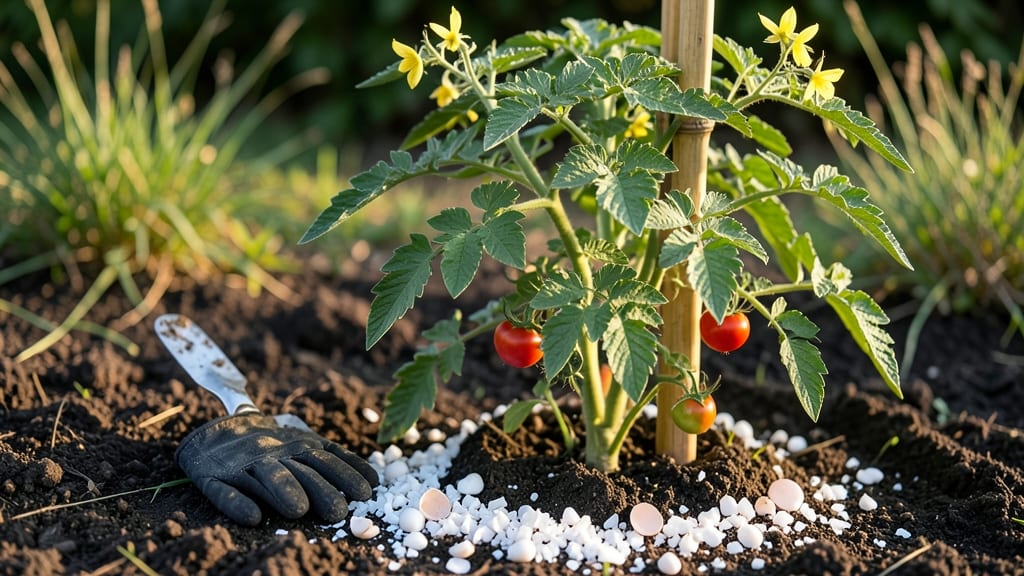
Yes, eggshells are good for tomato plants because they provide a natural calcium boost that prevents blossom-end rot and fortifies plant cell structures. Prepare them by crushing and baking to sterilize, then work into soil or compost for gradual nutrient release—just don't overdo it to avoid raising soil pH too much.
Are eggshells good for tomato plants? Absolutely—they are a natural treasure trove of calcium carbonate, a mineral that strengthens plant cell walls and wards off the dreaded blossom-end rot, where fruit bottoms turn mushy and unsightly. 🌱 The slow-release nature of eggshells makes them especially valuable; when mixed into compost or soil, they break down gradually, delivering a steady supply of calcium over time. In my own garden, I’ve noticed that tomatoes grown with eggshell amendments develop sturdier stems and produce fruit with fewer imperfections compared to those without.
To maximize their benefits, crush the shells into a fine powder and bake them at 200°F for 10-15 minutes to eliminate bacteria. This preparation step ensures easier nutrient absorption while preventing potential pathogens.
You can scatter the crushed shells around the base of tomato plants or blend them into compost piles. Just be mindful of balance—too much can make your soil overly alkaline, and tomatoes thrive in slightly acidic conditions.
💡 In This Article
- How Eggshells Boost Tomato Plant Health With Calcium
- Best Ways to Use Eggshells in Tomato Gardening
How eggshells boost tomato plant health with calcium
Eggshells provide a natural source of calcium carbonate, which is essential for tomato plants because calcium acts as a structural component in plant cell walls.
When tomatoes lack sufficient calcium, their cells can't maintain proper rigidity, leading to weak stems and the infamous blossom-end rot—a condition where the fruit's bottom turns brown and mushy. 🌿 The calcium in eggshells helps form pectin, a natural polymer that strengthens cell walls, making plants more resilient to stress, disease, and environmental fluctuations.
Unlike synthetic calcium supplements, eggshells release nutrients gradually as they decompose, mimicking the natural breakdown process of organic matter in the soil.
Here's what happens at the cellular level: Calcium ions bind to pectin molecules in the cell walls, creating a stronger, more flexible structure. This binding process is particularly critical during periods of rapid growth, such as flowering and fruiting.
Studies show that calcium-deficient tomatoes may have up to 30% more blossom-end rot compared to those with adequate calcium levels. Eggshells also contain trace minerals like magnesium and phosphorus, which support overall plant metabolism.
The slow-release nature of eggshells means you won't experience the nutrient spikes and crashes associated with synthetic fertilizers, which can stress plants.
One of the most compelling reasons to use eggshells is their ability to improve soil structure. The coarse texture of crushed shells creates tiny air pockets when mixed into soil, enhancing aeration and drainage.
This is especially beneficial for container-grown tomatoes, where soil can become compacted and waterlogged. 💧 In my experience, plants grown in soil amended with eggshells develop stronger root systems because the improved aeration encourages beneficial microbial activity.
These microbes help break down organic matter, making additional nutrients available to the plants. The result? Healthier roots that absorb water and minerals more efficiently, leading to more vigorous growth.
However, it's important to note that eggshells are most effective when used as a preventive measure rather than a cure. Once blossom-end rot appears, the damage is already done, and calcium supplementation won't reverse it.
That's why I recommend incorporating eggshells into your soil at the beginning of the planting season or when you notice early signs of calcium deficiency, such as yellowing leaves or stunted growth. The key is consistency—regular, small doses of eggshells work better than occasional large applications.
Think of it like building a strong foundation for your plants before they even start flowering.
Comparing eggshells to other calcium sources reveals why they're superior for tomato plants. Synthetic calcium nitrate, for example, provides a quick calcium boost but can acidify the soil over time, requiring additional pH adjustments.
Eggshells, on the other hand, are alkaline and help balance acidic soils, making them a dual-purpose amendment.
Additionally, eggshells are free, readily available, and environmentally friendly, unlike commercially packaged calcium supplements that contribute to plastic waste. 🌍 The only downside is that they require a bit of preparation—crushing and baking—but the effort pays off in stronger, healthier tomato plants.
For those who garden in raised beds or containers, eggshells offer a practical solution to calcium deficiency without the need for chemical interventions. I've seen firsthand how tomatoes grown in soil amended with eggshells produce fruit with fewer blemishes and a more uniform shape.
The secret lies in the gradual release of calcium, which aligns perfectly with the plant's natural growth cycles. By understanding how eggshells work at the cellular level, you can make informed decisions about when and how to use them for optimal results.