
Planting
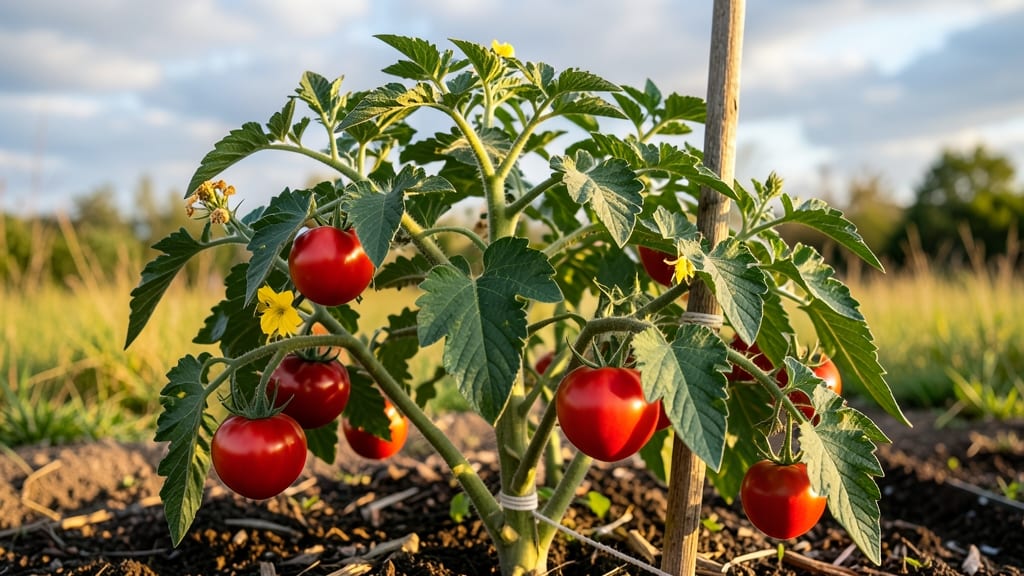
Growing a beefsteak tomato plant means slicing through the ordinary—these 1-pound monsters turn every meal into a statement. 🌱 I’ve grown dozens of varieties, but beefsteaks stand out for their sheer size and meaty texture, perfect for sandwiches or fresh eating.
The key? Matching their bold appetites with the right soil, support, and care.
These determinate plants grow in compact bushes (4-5 feet tall), making them ideal for small spaces or containers. Start with well-draining soil mixed with compost, and stake them early—their weight will test even sturdy cages.
Water consistently at the base (not the leaves) to prevent cracking, and mulch heavily to retain moisture.
By mid-summer, you’ll see glossy, deep-red fruits the size of your palm. Prune suckers regularly to focus energy on fruit production, and watch for early blight—remove infected leaves immediately. The payoff? A harvest that makes grocery-store tomatoes feel like a joke.
Works in zones 4-10, though they thrive best in warm climates. For cooler areas, choose early-maturing varieties like ‘Brandywine’ or ‘Cherokee Purple’. Let’s get those vines loaded with flavor!
📚 In This Guide
- What you need
- Instructions
- Tips and common mistakes
- Wrapping up and next steps
What you need
- ● Beefsteak tomato seeds or seedlings: Choose a reputable variety like 'Brandywine,' 'Cherokee Purple,' or 'Big Beef.' If starting from seed, you’ll need at least 3-5 seeds per plant (germination rates vary).
- ● Growing containers or garden bed: Containers: 5-gallon pots or larger (beefsteaks need deep roots—aim for 18+ inches deep and 12+ inches wide).
- ● Garden beds: Ensure 6+ feet of spacing between plants (they grow 3-6 feet tall and 2-3 feet wide).
- ● High-quality potting mix or garden soil: Use a well-draining mix amended with compost or aged manure (avoid fresh manure—it can burn roots!). Aim for 1 cubic yard per 100 sq. ft. of bed.
- ● Tomato cages or stakes: 6-8 feet tall (metal or sturdy wooden stakes work too). Pro tip: 💡 Use 2-3 cages per plant for extra support!
- ● Balanced fertilizer (10-10-10 or 5-5-5): Start with 1-2 tbsp per plant at transplanting, then switch to a low-nitrogen, high-phosphorus fertilizer (like 7-9-5) once flowering begins.
- ● Mulch: 2-3 inches of straw or shredded leaves to retain moisture and suppress weeds.
- ● Trowel or transplanting spade (for digging holes or pots).
- ● Watering can or hose with a gentle spray nozzle (beefsteaks hate soggy roots—water deeply 1-2 times per week).
- ● Pruning shears (for removing suckers and dead leaves).
- ○ Gloves (optional but highly recommended—tomato plants can be prickly!).
- ● Warmth: Beefsteaks thrive in USDA Zones 4-11. Start seeds 6-8 weeks before the last frost indoors (or direct-sow after soil reaches 50°F+).
- ● Sunlight: Full sun (6-8+ hours daily) is a must—these giants are sun-hungry!
- ● pH level: Aim for 6.0-6.8 (test your soil with a kit if unsure).
- ● Drip irrigation system (saves time and ensures consistent moisture).
- ● Copper tape or tomato collars (to deter pests like hornworms).
- ● Fish emulsion or compost tea (for a nutrient boost during fruiting).
- ● Row covers (to protect young plants from early frost or pests).
How to grow a thriving beefsteak tomato plant
Here's my battle-tested approach to coaxing those massive, juicy slices from your beefsteak tomatoes.
🌱 Step 1: Select the Right Variety and Start Early
Beefsteak tomatoes need a long, warm season—90-120 days—so begin seeds indoors 6-8 weeks before your last frost. I always choose heirloom varieties like 'Brandywine' or 'Cherokee Purple' for their rich flavor and disease resistance. These plants grow 3-4 feet tall, so pick a determinate variety if space is tight.
Sow seeds ¼ inch deep in seed-starting mix at 75-85°F for fastest germination. Use a heat mat if your home stays cooler than 68°F—tomato seeds need warmth to break dormancy. You'll see sprouts in 5-10 days; thin to one strong seedling per cell once they have first true leaves.
☀️ Step 2: Provide Strong Light and Support Early
Beefsteak tomatoes need 14+ hours of light daily from day one. A south-facing window won't cut it—you'll need a grow light within 2-4 inches of seedlings. Raise it as plants grow to maintain that distance. Without enough light, seedlings stretch leggy and never recover strength.
Start training vines early by gently tying them to a 6-foot stake or cage when they reach 12 inches tall. I use soft plant ties to avoid damaging stems. You'll see new leaves forming every 3-5 days—this is your signal to keep the soil consistently moist but never soggy.
💧 Step 3: Transplant and Feed for Maximum Growth
Move seedlings outdoors after 2 weeks of hardening off when night temperatures stay above 55°F. Dig a hole twice as wide as the root ball to encourage outward growth. Work 2 tablespoons of balanced fertilizer (10-10-10) into the bottom soil before planting—beefsteak tomatoes are heavy feeders.
Water deeply at transplanting to settle roots, then maintain 1-2 inches of water weekly (more in extreme heat). You'll know moisture is right when the top 2 inches of soil feel damp but not wet. Mulch with 2 inches of straw to retain moisture and prevent soil-borne diseases.
✂️ Step 4: Prune and Prune Again for Bigger Fruits
Remove suckers (the small shoots in leaf axils) when they're 2-3 inches long—this redirects energy to fruit production. I prune every 7-10 days during peak growth. Also, trim lower leaves that touch the ground to improve airflow and reduce disease risk.
When flowers appear, give them a boost by spraying with fish emulsion (follow package rates). You'll see fruit set in 4-6 weeks—watch for green shoulders on tomatoes, which means they're ready to ripen. Harvest when fully colored and slightly soft to the touch.
🌿 Step 5: Extend the Season and Prevent Common Problems
If frost threatens before all tomatoes ripen, cover plants with frost cloth at night. For late-season care, reduce watering slightly to let flavors concentrate. You'll know it's working when tomatoes develop deeper color and sweeter taste.
Watch for early blight (brown spots on lower leaves) or hornworms (striped caterpillars). Remove affected leaves immediately and handpick pests daily. A neem oil spray prevents fungal issues if applied preventatively every 2 weeks.
Tips & tricks for growing bold beefsteak tomatoes
Here's what nobody tells you about growing beefsteak tomatoes that'll make all the difference between decent slices and showstopping ones.
Seed Starting Secret: The 75-85°F temperature range for germination isn't just about speed—it's about consistency. I've found that using a seedling heat mat set to 80°F gives me sprouts in just 5-7 days, but if your home dips below 68°F, those seeds will sulk and take twice as long. Pro tip: Place your seed tray on top of the fridge (not inside) if you don't have a heat mat—it'll stay warm enough without overheating.
Lighting Strategy: Those 14+ hours of light aren't optional—they're non-negotiable for beefsteak tomatoes. I use a simple LED grow light on a timer, but here's the game-changer: position it just 2 inches above seedlings at first, then raise it as plants grow. The key is maintaining that 2-4 inch distance throughout their growth. If you see seedlings stretching toward light like they're reaching for heaven, you're too far away.
Transplanting Technique: The 2-week hardening off period is crucial, but I've learned the hard way that it's not just about time—it's about conditions. Start with 1 hour outside in shade on day one, then gradually increase exposure. By week two, they should handle full sun all day. The real test? If leaves look slightly wilted but perk up within minutes, they're ready. If they stay wilted, give them another week.
Pruning Precision: Those 2-3 inch suckers might seem small, but removing them every 7-10 days is what turns good tomatoes into great ones. Here's my trick: use sharp scissors (not your fingers) and make clean cuts just above the leaf axil. I also prune lower leaves that touch the ground—not just for airflow, but to prevent soil-borne diseases from creeping up the stem. Think of it as giving your plant a spa day.
Pro Tips for Beefsteak Tomato Plant
- Here's what nobody tells you about growing beefsteak tomatoes that'll make all the difference between decent slices and showstopping ones.
- Seed Starting Secret: The 75-85°F temperature range for germination isn't just about speed—it's about consistency.
- Lighting Strategy: Those 14+ hours of light aren't optional—they're non-negotiable for beefsteak tomatoes.
Frequently asked questions
Got questions about growing beefsteak tomatoes? You’re not alone!
Here are answers to some of the most common queries to help you cultivate these juicy giants like a pro.
When is the best time to plant beefsteak tomato seeds or seedlings?
For seedlings, wait until after the last frost (typically late spring) when soil temps hit 50–60°F (10–15°C). If starting from seeds, sow indoors 6–8 weeks before the last frost for a head start. Beefsteaks thrive in warm soil, so don’t rush—patience pays off with bigger, sweeter fruits!
How long does it take for beefsteak tomatoes to produce fruit?
Expect a 70–90 day harvest window from transplanting, but this varies by variety (e.g., 'Brandywine' takes longer than 'Big Beef'). Factors like sunlight (6+ hours/day), warmth, and soil fertility speed things up. Pro tip: Use a tomato cage or stake early—these plants get heavy!
Why are my beefsteak tomatoes cracking, and how do I prevent it?
Cracking usually means uneven watering—too much after a dry spell causes cells to burst. Water deeply 1–2 times/week (early morning) and mulch to retain moisture. Avoid overhead sprinklers, which can also split fruit. Bonus: Consistent care = fewer cracks and more flavor!
Can I grow beefsteak tomatoes in containers, and what size pot do I need?
These vining plants need at least a 5-gallon pot (bigger is better for heavy fruit). Choose a deep container with drainage, and use a balanced fertilizer (like 10-10-10) every 2–3 weeks. Container hack: Train vines vertically with a trellis or tomato tower to save space.
What pests or diseases should I watch for with beefsteak tomatoes?
Common threats include:
- Blossom end rot (calcium deficiency—fix with crushed eggshells or lime).
- Hornworms (handpick or use Bt spray).
- Fungal diseases (like early blight)—prune for airflow and avoid wetting leaves.
- Aphids (spray with soapy water or introduce ladybugs!).
Prevention tip: Rotate crops yearly and remove diseased plants immediately to stop spread.
Wrapping up and next steps
Growing beefsteak tomato plants is a rewarding journey that brings bold flavors and stunning fruit to your garden! 🌱 With the right soil, sunlight, and care, you’ll enjoy juicy, meaty tomatoes that elevate every dish.
Whether you’re a seasoned gardener or just starting, this variety is a game-changer—so roll up your sleeves and get ready to harvest like a pro.
Your next step? Start planting! Grab your seeds, mark your calendar for transplanting, and watch your beefsteak tomatoes thrive. Happy gardening—your taste buds will thank you! 🍅✨