
Companion Plants
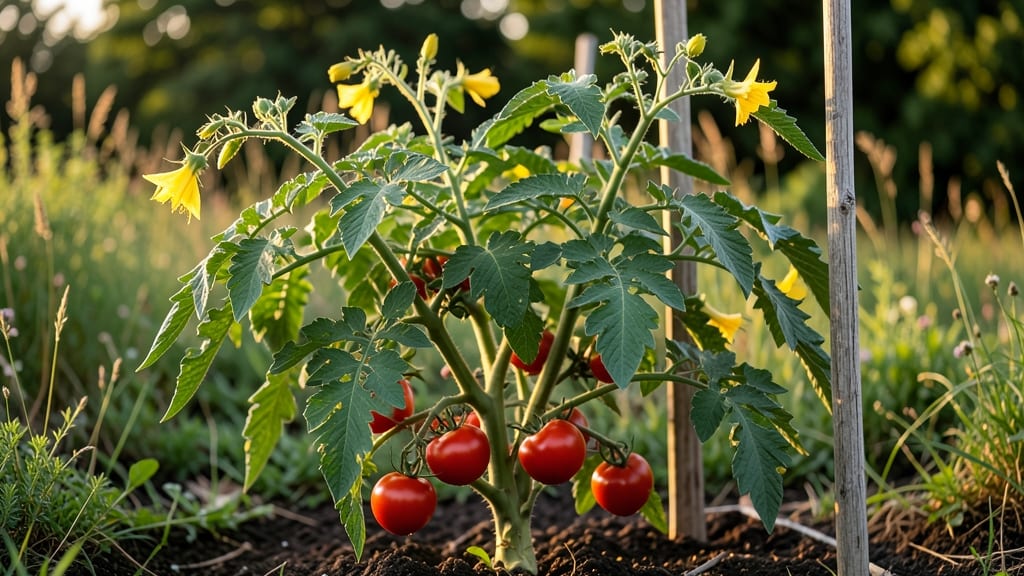
Growing Big Beef tomato plants means giant, meaty slices straight from your garden—no frost worries once they’re established. 🌱 I’ve grown these for years, and they’ve never disappointed, even in my short growing season. The secret isn’t just the variety—it’s how you set them up from day one.
These plants thrive with 6-8 hours of sun daily, rich soil mixed with compost, and consistent watering at the base (never the leaves). They’re indeterminate, so they’ll keep growing until frost—meaning you’ll harvest pounds of tomatoes if you give them the right support.
Stake them early or use cages to prevent sprawl. By midsummer, you’ll see 3-4 pound fruits that taste sweeter than store-bought. The key is pruning suckers (those little shoots between stems) and removing lower leaves to improve airflow. This keeps diseases at bay and directs energy to fruit production.
Works in containers or in-ground, even in cooler climates. Here’s how to get started—and keep those vines productive all season long.
📚 In This Guide
- What you need
- Instructions
- Tips and common mistakes
- Wrapping up and next steps
What you need
- ● Big Beef tomato seeds or seedlings: 1–3 plants (depending on space). Look for Solanum lycopersicum varieties labeled "Big Beef" or "heirloom beefsteak."
- ● Compost or well-aged manure: 5–10 gallons per plant to enrich soil with nutrients.
- ● Slow-release fertilizer (10-10-10 or 5-10-10): 1–2 cups per plant at planting time.
- ● Tomato cages or sturdy stakes (6–8 ft tall): 1 per plant to support heavy vines.
- ● Mulch (straw, grass clippings, or black plastic): Enough to cover the soil around plants (3–4 inches deep).
- ● Drip irrigation or soaker hoses: To deliver consistent moisture without wetting leaves.
- ● Garden trowel or shovel
- ● Pruning shears (sterilized)
- ● Gloves (to protect from thorns and soil)
- ● Measuring tape (for spacing plants 3–4 ft apart)
- ● Garden kneeler or pad (for comfort)
- ● Row covers or frost cloth: To extend the growing season in cooler areas.
- ● Coffee grounds or banana peels: For a potassium boost (bury near roots).
- ● Companion plants: Basil, marigolds, or onions to deter pests.
- ● Plant food (liquid or granular): For mid-season nutrient top-ups.
Step-by-step guide to growing towering Big Beef tomatoes
Here's how to coax those massive, flavor-packed vines from seed to harvest—no frost worries in sight.
🌱 Step 1: Start Seeds Indoors at the Right Time
Big Beef tomatoes need a long growing season, so begin seeds indoors 8-10 weeks before your last frost date. I use 4-inch pots filled with seed-starting mix and plant 2 seeds per pot at ¼-inch depth. The key is warmth—keep soil at 75-85°F using a heat mat until germination (usually 7-14 days).
Once sprouts appear, remove the weaker seedling, leaving only the strongest. Place pots under grow lights 12-16 hours daily—natural light won't cut it. You'll know they're getting enough light when leaves are dark green and stems are thick, not spindly. Thin seedlings to 1 plant per pot when they develop 2 true leaves.
☀️ Step 2: Harden Off and Transplant After Frost
Two weeks before transplanting, start hardening off seedlings by moving them outside for 2-3 hours daily in partial shade. Gradually increase exposure to full sun over 7-10 days. The goal is to toughen stems—look for plants that stand upright without wilting when touched.
Transplant after all danger of frost has passed, when soil temperatures reach 60°F. Bury stems ⅔ deep to encourage strong root systems. Space plants 24-36 inches apart in rows 36 inches apart—Big Beefs need room to sprawl. Water deeply at transplanting to settle soil around roots.
🪴 Step 3: Support and Prune for Maximum Growth
Install 6-foot tall cages or stakes immediately after transplanting—Big Beefs can reach 8 feet if left unchecked. I use wooden tomato cages for stability and tie main stems to the support with soft plant ties every 12 inches as they grow. Prune suckers (the shoots that form in the leaf axils) when they're 2-3 inches long.
Remove lower leaves that touch the soil to prevent disease. Focus on keeping the plant's energy upward by pinching off any lateral growth below the first flower cluster. You'll see faster, stronger vines when you prioritize vertical growth over bushiness.
💧 Step 4: Water and Feed for Giant Fruit Production
Water deeply 1-2 times weekly—Big Beefs need 1-2 gallons per plant depending on heat. Water at the base in the morning to prevent fungal issues. Mulch with 2-3 inches of straw to retain moisture and keep soil cool. You'll know your watering is right when soil feels damp 2-3 inches down.
Feed every 2-3 weeks with a balanced 10-10-10 fertilizer until flowering, then switch to 5-10-10 to boost fruiting. I also add 1 tablespoon of Epsom salt per gallon of water monthly for magnesium. Stop fertilizing 4-6 weeks before harvest to improve flavor.
✂️ Step 5: Harvest and Extend the Season
Pick fruit when fully colored and slightly soft to the touch. Big Beef tomatoes can reach 1 pound each—handle carefully to avoid bruising. Harvest regularly to encourage more production. If frost threatens before all fruit ripens, pick green tomatoes and ripen indoors in a paper bag with a banana for 1-2 weeks.
For late-season plants, cover with frost cloth when temperatures drop below 50°F at night. Remove cloth during the day to maintain airflow. With proper care, you'll get fruit well into fall—some of my Big Beefs have produced until first snow.
Tips & tricks for growing towering Big Beef tomatoes
These insider tricks will help you grow tomatoes so massive they'll make your neighbors jealous—and keep producing until frost.
Germination Warmth: That 75-85°F soil temperature range is non-negotiable for Big Beefs. I use a heat mat under my seed trays and add a clear plastic dome to trap warmth. If your home stays cooler than 70°F, consider using a seedling heat mat with built-in thermostat—germination can stall below 70°F. The first true leaves should appear within 7-14 days, but if you're in a cooler climate, don't be surprised if it takes the full 14 days.
Lighting Secret: Those 12-16 hours of grow light aren't just about duration—they're about intensity too. I position my lights just 2-3 inches above seedlings and use full-spectrum LED bulbs. If your seedlings start stretching toward the light (a condition called legginess), lower the lights immediately. Leggy seedlings will struggle to support those massive Big Beef fruits later on.
Transplant Timing: The 60°F soil temperature check is crucial—use a soil thermometer to verify. Cold soil slows root development, and Big Beefs need vigorous roots to support their size. I also wait until nighttime temperatures stay above 55°F consistently. You can speed up warming by covering the soil with clear plastic for a day or two before transplanting.
Frost Extension: When nighttime temperatures drop below 50°F, don't just cover with frost cloth—create a mini greenhouse effect. Use a lightweight row cover over your cages and secure it tightly. During the day, prop open one side to allow airflow and prevent condensation buildup. I've had Big Beefs produce fruit well into October using this method, sometimes until the first snowfall.
Pro Tips for Big Beef Tomato Plants
- These insider tricks will help you grow tomatoes so massive they'll make your neighbors jealous—and keep producing until frost.
- Germination Warmth: That 75-85°F soil temperature range is non-negotiable for Big Beefs.
- Lighting Secret: Those 12-16 hours of grow light aren't just about duration—they're about intensity too.
Frequently asked questions
How tall can Big Beef tomato plants really grow?
Big Beef tomato plants can reach 6 to 8 feet tall (or more!) with proper support. Their indeterminate growth means they’ll keep producing until frost—perfect for vertical gardens or trellises. Just prune suckers (side shoots) to focus energy on fruit, not foliage.
When should I plant Big Beef tomatoes to avoid frost?
Wait until after the last frost date in your zone—typically mid-to-late spring. For extra warmth, use black plastic mulch or row covers. If your area has late frosts, opt for starter plants (transplanted after soil warms to 60°F+).
Are Big Beef tomatoes good for containers?
They thrive in 5-gallon+ containers with a sturdy trellis. Use a well-draining potting mix and fertilize weekly with tomato-specific nutrients. Just ensure containers get 6+ hours of sunlight daily. Pro tip: Add compost to the bottom for extra nutrients.
How do I prevent pests like hornworms or blight?
For hornworms: Handpick them (they’re easy to spot!) or introduce parasitic wasps. For blight, space plants 18–24 inches apart for airflow, avoid overhead watering, and rotate crops yearly. Copper fungicide can help if blight appears.
Can I grow Big Beef tomatoes in cool climates?
Yes! Use row covers or cold frames to extend the season. Choose heat-tolerant varieties if summers are mild. Mulch with straw to insulate roots. In Zone 4+, start seeds indoors 6–8 weeks before transplanting for a head start. →
Wrapping up and next steps
Growing Big Beef tomato plants is a rewarding journey that brings homegrown flavor and resilience to your garden! 🌱 With the right companion plants, pruning techniques, and a little frost-proof know-how, you’ll soon be harvesting juicy, vine-ripened tomatoes that outshine store-bought varieties.
Whether you’re a seasoned gardener or a curious beginner, these towering beauties prove that big rewards come from thoughtful care.
Ready to take the next step? Start by sketching your garden layout—pair your Big Beefs with basil, marigolds, or onions for a thriving, pest-resistant patch. Then, grab your pruners and get growing! 🌿