
Companion Plants
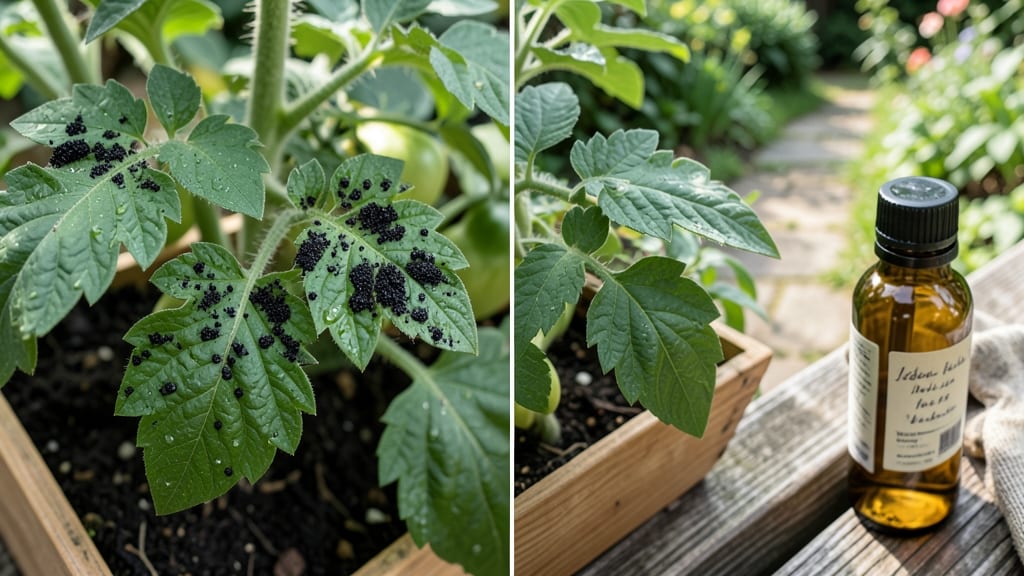
Black specks on tomato leaves mean your plants are fighting a fungal battle you can win. 🌱 I’ve seen this turn around in just two weeks with the right approach—no harsh chemicals needed. The spots start small but spread fast, ruining leaves and cutting yields if ignored.
Most of the time, it’s early blight, a common fungus that thrives in damp, warm conditions. Bird droppings or splashing water can also spread those black specks, making prevention key. The good news? Organic fixes like copper sprays, neem oil, and proper spacing work better than store-bought fungicides long-term.
You’ll stop the spread by removing infected leaves immediately and keeping the garden dry. Within 10-14 days, new growth will push out, and your plants will bounce back stronger. The key is acting fast—don’t wait until half the plant is covered.
Works for home gardens, containers, or raised beds—just adjust spacing to improve airflow. Here’s how to tackle it before it takes over your harvest.
Root Causes Behind Tomato Spots
Black specks marring your tomato plants can feel like a mystery, but they’re usually the result of specific environmental or biological triggers. Understanding these causes is the first step to restoring your plants’ health—and their delicious harvest.
Let’s break down the science behind why those pesky specks appear, so you can tackle them head-on.
If you’re seeing black, sunken spots on the bottoms of your tomatoes (near the blossom end), you’re likely dealing with blossom end rot—a classic sign of calcium imbalance. While calcium is abundant in soil, plants can’t absorb it efficiently without the right conditions. Here’s why it happens:
- Fluctuating soil moisture: Calcium moves through plant tissues via water. When soil dries out and then gets soaked again (like after a heavy rain or overwatering), roots struggle to deliver calcium to growing fruit. The youngest, fastest-growing tomatoes—those at the blossom end—suffer first.
- Competing nutrients: Too much nitrogen (common in synthetic fertilizers) can starve roots of calcium, while high phosphorus or potassium levels block its uptake.
- Cold soil temperatures: Calcium absorption slows below 55°F (13°C). Early-season tomatoes or plants in chilly climates are especially vulnerable.
💡 Pro Tip: Test your soil’s pH—calcium absorption peaks at 6.0–7.0. If your soil is too acidic (<6.0), amend it with crushed limestone to improve calcium availability.
When black specks appear as powdery, crusty patches or tiny dots on leaves, stems, or fruit, fungi like Alternaria, Septoria, or Phytophthora are usually to blame. These pathogens thrive when:
| Cause | Why It Happens |
|---|---|
| 💦 Excess moisture | Fungi spread via water splashes (e.g., overhead irrigation, humid mornings). Wet foliage for more than 12 hours creates the perfect breeding ground. |
| 🌡️ High humidity | Humidity above 75% slows leaf drying, trapping spores. Greenhouses or dense plantings trap moisture, accelerating spread. |
| 🍂 Poor air circulation | Stagnant air prevents leaves from drying, while crowded plants allow spores to jump from leaf to leaf. |
| 🌱 Stressed plants | Drought, nutrient deficiencies, or transplant shock weaken plants, making them easier targets for fungal attacks. |
🔥 Warning: Ignored fungal spots can lead to leaf drop, defoliation, and fruit rot. Act fast to prevent systemic infection.
Not all black specks are biological—some are the result of mechanical damage or pest feeding. Here’s how it happens:
- 🐜 Tomato hornworms: These striped caterpillars chew irregular holes in leaves, leaving behind black frass (poop) and skeletonized foliage. Their saliva can also introduce bacterial or fungal infections.
- 🦟 Spider mites: Tiny, almost invisible, these pests suck plant sap and leave behind stippled black or brown specks on leaves. Severe infestations cause webbing and leaf yellowing.
- 🪰 Hail or wind damage: Physical trauma can bruise fruit or leaves, creating entry points for pathogens—or the blackened spots may just be dried sap or crushed tissue.
- 🌱 Over-fertilization with iron: Excess iron can cause black speckling on new leaves, though this is rare in home gardens unless using contaminated soil amendments.
🎯 Key Clue: Check for live pests, webbing, or chewed edges—if the specks are paired with these signs, pests are likely the culprit.
Now that you know why those black specks appear, the next step is how to fix them—without resorting to harsh chemicals. Stay tuned!
Fixing Black Spots Naturally
Now that you’ve identified the culprit behind those pesky black specks on your tomato plants—whether it’s blossom end rot, fungal spots, or sooty mold—it’s time to take action! The good news?
Most of these issues have simple, organic solutions that won’t break the bank or harm your garden’s ecosystem. Below, we’ll break down cause-specific fixes, step by step, plus prevention tips to keep your tomatoes thriving.
Blossom end rot is often a calcium deficiency triggered by inconsistent watering or poor soil structure. Here’s how to reverse it:
🔥 Step 1: Apply Calcium-Rich Amendments
Tomatoes need calcium to develop strong cell walls, especially during fruiting.
Add: - Crushed eggshells (bake and grind for quick absorption) - Crushed oyster shell or bone meal (sprinkle around the base) - Calcium nitrate (dissolve 1 tsp in 1 gallon of water and water the soil)
💡 Pro Tip: Mix 1 cup of crushed eggshells per plant into the top 2 inches of soil. Reapply every 2–3 weeks during fruiting.
👨🍳 Step 2: Improve Watering Consistency
Fluctuating moisture levels stress plants and worsen rot. Water deeply 1–2 times per week (depending on climate) and:
- Mulch heavily (straw or grass clippings) to retain moisture.
- Avoid overhead watering—use drip irrigation or soaker hoses to keep leaves dry.
- Water in the morning so foliage dries quickly, reducing fungal risks.
🌡️ Step 3: Check Soil pH & Drainage
- Test your soil (ideal pH for tomatoes: 6.0–6.8).
- If compacted, amend with compost or sand to improve drainage.
- Avoid fresh manure—it can burn roots and disrupt calcium uptake.
✨ Prevention: Plant tomatoes near basil or marigolds—these companions improve soil health and deter pests that stress plants.
Black fungal spots (like early blight or septoria leaf spot) thrive in humid, crowded conditions. Here’s how to stop the spread:
🔪 Step 1: Prune & Remove Infected Leaves
- Cut off yellowing or spotted leaves with clean shears (don’t compost them—dispose in a sealed bag).
- Space plants 18–24 inches apart for airflow.
- Thin vines if overcrowded to reduce humidity near leaves.
🍳 Step 2: Apply Organic Fungicides
- Copper fungicide spray (1 tsp copper sulfate per gallon of water)—spray early morning or evening to avoid leaf burn.
- Neem oil spray (1 tbsp neem oil + 1 tsp mild soap per gallon of water)—reapply every 7–10 days.
- Baking soda spray (1 tsp baking soda + 1 quart water + a drop of dish soap)—great for preventive care.
💡 Pro Tip: Rotate treatments to prevent resistance. For example, use copper one week, neem the next.
🌿 Step 3: Boost Plant Immunity
- Side-dress with compost (rich in beneficial microbes).
- Use beneficial fungi like Trichoderma harzianum (available as a soil drench).
- Interplant with garlic or thyme—both have natural antifungal properties.
✨ Prevention:
- Water at the base (never overhead).
- Harvest promptly—ripe fruit attracts pests that spread fungi.
- Rotate crops—don’t plant tomatoes in the same spot next year.
Sooty mold isn’t the problem—it’s a symptom of aphids, whiteflies, or scale insects excreting honeydew. Here’s how to clean it up:
🔥 Step 1: Blast Off Pests with Water
- Spray plants with a strong jet of water (early morning) to dislodge pests.
- Use insecticidal soap (1 tsp mild soap per quart of water)—spray directly on undersides of leaves.
👨🍳 Step 2: Introduce Natural Predators
- Ladybugs, lacewings, or parasitic wasps (available at garden centers) devour sap-suckers.
- Plant dill, fennel, or cosmos to attract beneficial insects.
🧼 Step 3: Clean Leaves for Good
- Wipe leaves with a damp cloth (for small plants).
- Hose down the plant (but avoid wetting soil to prevent fungal growth).
- Apply horticultural oil (1% oil concentration) if infestations persist.
✨ Prevention:
- Inspect plants weekly—catch pests early!
- Avoid over-fertilizing with nitrogen—it attracts soft-bodied insects.
- Use reflective mulch (like aluminum foil) to deter whiteflies.
No matter the cause, these universal tips will keep your tomato plants healthy: ✅ Rotate crops—don’t plant tomatoes in the same spot yearly. ✅ Test soil before planting (check for calcium, magnesium, and pH). ✅ Mulch well (2–3 inches of straw or grass clippings) to retain moisture and block spores. ✅ Space plants properly (18–24 inches apart) for airflow. ✅ Harvest regularly—ripe tomatoes attract pests and diseases.
Final Thought: Most black speck issues are fixable with patience and organic care. Start with one solution at a time, monitor progress, and adjust as needed. Your tomatoes will thank you with juicy, blemish-free fruit in no time! 🍅✨
Frequently asked questions about black specks on tomato plants
Are those black specks always harmful to my tomato plants?
Not always! While fungal spots or blossom end rot are common issues, some specks are harmless. Check for signs of damage: if leaves are yellowing or wilting, or fruit is rotting, it’s likely a problem. Bird droppings or soil splatter can also create temporary black marks that won’t harm your plants.
How do I tell if it’s early blight vs. blossom end rot?
Look at the location and appearance: early blight shows as concentric rings on leaves, while blossom end rot appears as sunken, dark spots on the fruit’s blossom end. If you see both, you may have a calcium deficiency (blossom end rot) combined with a fungal infection (early blight).
Can I still eat tomatoes with black specks?
It depends! If the specks are superficial (like minor fungal spots), you can cut them off before eating. However, if the fruit is rotting or has deep lesions, it’s best to discard it. Always wash tomatoes thoroughly before eating, even if they look fine externally.
Will removing infected leaves help stop the spread?
Pruning infected leaves reduces fungal spores by up to 70%. Use clean shears and dispose of leaves in a sealed bag—never compost them. For severe cases, remove entire lower branches where spores accumulate. Pair this with copper spray for best results.
How often should I apply neem oil or copper spray?
Apply neem oil every 7–10 days at dusk to avoid leaf burn, and use copper spray every 2–3 weeks during wet seasons. For prevention, alternate between the two—neem oil disrupts fungal growth, while copper prevents spore formation. Always test sprays on a small leaf first!