
Planting
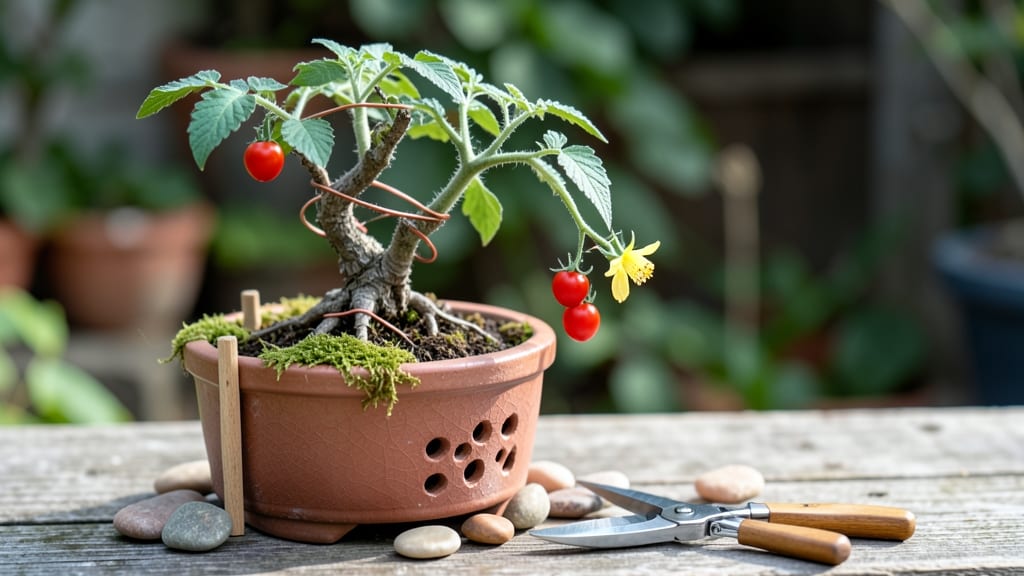
Growing a bonsai tomato plant turns your windowsill into a miniature harvest zone—imagine cherry-sized tomatoes bursting with flavor from a plant that fits in your palm. 🌱 I’ve wrestled with overgrown vines and floppy stems, but this method keeps them compact, productive, and actually bonsai-worthy.
The secret? Picking the right variety and pruning like a pro. You’ll need dwarf or micro tomato varieties (like ‘Tiny Tim’ or ‘Micro Tom’), a shallow container with drainage, and a sharp pair of pruners.
Start with well-draining soil and a sunny spot—bonsai tomatoes crave 6+ hours of light daily, but they’ll forgive a few cloudy days. The real magic happens in the pruning: pinch off suckers early, shape the plant like a tree, and never let it get too crowded.
By mid-summer, you’ll be harvesting golf-ball-sized tomatoes that pack more flavor than their jumbo cousins. The plants stay under 2 feet tall with proper care, and the process is oddly meditative—like sculpting a living work of art. Weak stems? Too much water. Overgrowth? Time to prune again.
It’s a balancing act, but the payoff is worth it. This works for balconies, windowsills, or sunny patios—no yard required. Once you master the basics, you can experiment with wiring branches or even grafting for even smaller fruits. Let’s get those tiny tomatoes growing!
📚 In This Guide
- What you need
- Instructions
- Tips and common mistakes
- Wrapping up and next steps
What you need
- ● Tomato seeds or seedlings: Dwarf or cherry tomato varieties (e.g., Tiny Tim, Micro Tom, or Bonsai Tomato—check seed packets for "miniature" labels).
- ● Quantity: 2–3 seeds/seedlings per pot (thin to the strongest sprout).
- ● Container: 5–7 inch wide pot (depth isn’t critical; focus on root space).
- ● Material: Terracotta (breathable) or plastic (retains moisture).
- ● Drainage: Must have holes + a saucer (no soggy roots!).
- ● Soil: Type: Well-draining bonsai or cactus mix (or regular potting soil + 30% perlite/pumice).
- ● pH: 6.0–6.8 (test with a soil kit if unsure).
- ● Quantity: 1–2 gallons per pot.
- ● Support: Miniature tomato cage (4–6 inches tall) or a bamboo stake (for pruning training).
- ● Pruning tools: Small, sharp bypass pruners or clean scissors (sterilize with rubbing alcohol!).
- ● Fertilizer: Balanced liquid fertilizer (10-10-10 or 5-5-5) or slow-release granules.
- ● Tip: Dilute to half-strength to avoid burning delicate roots! 💡
- ● Grow lights: LED or fluorescent (12–16 hrs/day if indoors).
- ● Mulch: Lightweight orchid bark or gravel to retain moisture.
- ● Spray bottle: For gentle watering (especially in dry climates).
Step-by-step guide to growing a thriving bonsai tomato plant
Here's how I transform ordinary tomato plants into stunning miniature masterpieces—keeping them healthy and productive.
🪴 Step 1: Select the Right Variety and Container
Choose a determinate tomato variety like 'Tiny Tim' or 'Micro Tom'—these stay compact and produce fruit without excessive growth. Avoid indeterminate types; they'll outgrow your bonsai vision quickly. Use a shallow bonsai pot (6-8 inches deep) with excellent drainage—tomatoes hate soggy roots. I like unglazed ceramic because it breathes and helps regulate moisture.
Fill the pot with a well-draining bonsai mix (I use 60% akadama, 20% pumice, and 20% coarse sand). This combination prevents compaction while allowing roots to breathe. Tap the pot gently to settle the mix, then pre-moisten it thoroughly until water runs freely from the drainage holes. The goal is a mix that holds moisture but drains quickly—critical for preventing root rot in miniature plants.
🌱 Step 2: Prune and Train the Seedling Early
Start with a healthy 4-6 week old seedling. The first critical step is heading back—pinch off the main stem just above the fourth set of leaves (about 6 inches tall). This forces lateral branches to develop, creating that classic bonsai silhouette. I use clean, sharp scissors to make precise cuts at a 45-degree angle to prevent tearing.
As new shoots emerge, continue pruning aggressively. Remove any suckers (the shoots that grow between the main stem and branches) to maintain a dense, balanced shape. Leave only 2-3 strong lateral branches per main stem—more will compete for nutrients and reduce fruit production. This is where bonsai tomatoes differ from traditional ones: less growth means fewer tomatoes, but each one will be sweeter and more concentrated.
☀️ Step 3: Master Light and Water Management
Bonsai tomatoes need full sun (6-8 hours daily) but require careful watering to prevent stress. Place your pot in a south-facing window or under grow lights for consistent intensity. Without enough light, the plant will stretch and produce small, bland fruit. I rotate the pot weekly to ensure even growth—you'll notice leaves leaning toward the light if it's not balanced.
Water when the top inch of soil feels dry—this is crucial. Overwatering leads to root rot, while underwatering causes blossom-end rot. I use a spray bottle for gentle watering to avoid disturbing the soil. After watering, let excess drain completely—never let the plant sit in saucers of water. Fertilize every 2-3 weeks with a balanced 10-10-10 liquid fertilizer diluted to half strength to avoid burning the delicate roots.
✂️ Step 4: Shape and Maintain the Bonsai Structure
Regular pruning keeps your bonsai tomato both attractive and productive. After the initial heading back, continue trimming new growth to maintain a compact, tree-like shape. Use wire (copper or aluminum) to gently guide branches into desired positions—wrap it loosely to avoid cutting into the stem as it thickens. I remove any wire after 4-6 weeks to prevent scarring.
Thin fruit clusters to 1-2 tomatoes per branch—this ensures larger, sweeter fruit and prevents the plant from being overburdened. Watch for signs of stress like yellowing leaves or wilting; these often indicate overpruning or underwatering. The key is balance: prune enough to shape the plant but leave enough foliage to support photosynthesis and fruit production.
🍅 Step 5: Harvest and Overwinter Carefully
Harvest tomatoes when they're fully colored and slightly soft to touch—this ensures peak flavor. Miniature tomatoes ripen faster than full-sized ones, so check daily. Use scissors to cut stems cleanly, leaving a small portion attached to the plant. This prevents damage and encourages more fruit to set. I harvest in the morning when tomatoes are at their freshest and flavor most intense.
Once temperatures drop below 50°F, move your bonsai tomato indoors to a cool, bright location (like a sunroom or under grow lights). Reduce watering to every 5-7 days and stop fertilizing entirely. Prune back about one-third of the foliage before winter to reduce stress. With proper care, your bonsai tomato can live for years, producing miniature harvests season after season.
Tips & tricks for perfect miniature tomato growth
These pro-level insights will help you cultivate a bonsai tomato that thrives like a seasoned bonsai artist's creation.
The Variety Selection Secret: While 'Tiny Tim' and 'Micro Tom' are my top picks for their natural compact growth, don't overlook 'Patio Princess'—it handles container life exceptionally well. The key difference? These determinate varieties naturally stop growing when they reach their mature size, unlike their indeterminate cousins that would outgrow your bonsai vision in weeks. I've found that starting with a grafted seedling can give you a head start on that classic bonsai silhouette from day one.
Soil Mix Science: The 60-20-20 akadama-pumice-sand blend isn't just arbitrary—it creates the perfect microclimate for miniature roots. Akadama holds moisture while allowing oxygen flow, pumice prevents compaction, and coarse sand ensures rapid drainage. Here's my bonus tip: Sterilize your mix by baking it at 200°F for 30 minutes before use to kill any pathogens that could stress your delicate bonsai tomato. This step prevents the dreaded damping-off disease that can wipe out seedlings before they even get started.
Light Management Hack: Those critical 6-8 hours of full sun aren't just about intensity—they're about consistency. I've seen bonsai tomatoes stretch dramatically when light sources change daily. For indoor growers, use a timer on your grow lights to maintain that 14-hour photoperiod tomatoes crave. Pro tip: Place a small mirror at a 45-degree angle near your plant to reflect and amplify natural light—this can make a huge difference in a north-facing window setup.
Pruning Precision: When you're heading back that 4-6 week old seedling at the fourth set of leaves, remember this: The angle of your cut matters. A 45-degree angle prevents water from pooling on the stem, which can lead to rot. For the wire training in Step 4, I recommend using aluminum wire—it's more flexible than copper and won't leave permanent marks when removed after those crucial 4-6 weeks. And here's what nobody tells you—the first few times you wire a bonsai tomato, you'll likely break a branch or two. Don't panic! Just prune back to a healthy leaf node and start fresh.
Pro Tips for Bonsai Tomato Plant
- These pro-level insights will help you cultivate a bonsai tomato that thrives like a seasoned bonsai artist's creation.
- The Variety Selection Secret: While 'Tiny Tim' and 'Micro Tom' are my top picks for their natural compact growth, don't overlook 'Patio Princess'—it handles container life exceptionally well.
- Soil Mix Science: The 60-20-20 akadama-pumice-sand blend isn't just arbitrary—it creates the perfect microclimate for miniature roots.
Frequently asked questions
Got questions about growing your own bonsai tomato plant? You’re not alone—this compact gardening trend comes with its own set of curiosities! Below, we’ve rounded up the most common queries to help you grow confidently, from pruning puzzles to flavor secrets.
How often should I prune a bonsai tomato plant?
Prune your bonsai tomato regularly—every 1–2 weeks during active growth—to maintain its miniature size and encourage bushier growth. Focus on removing suckers (shoots between stems and leaves) and trimming leggy branches. Pro tip: Stop pruning 4–6 weeks before harvest to let energy go into fruit production!
How long does it take for a bonsai tomato to produce fruit?
With proper care, your bonsai tomato can start flowering in 6–8 weeks after transplanting (or sooner if you start with a young plant). Fruit typically ripens in 8–12 weeks after flowering, though dwarf varieties like ‘Tiny Tim’ or ‘Micro Tom’ may fruit even faster—sometimes in as little as 60 days! Patience pays off with tiny, flavor-packed rewards.
What’s the best temperature range for growing bonsai tomatoes?
Bonsai tomatoes thrive in warmth: Ideal daytime temps are 70–85°F (21–29°C), while nights should stay above 55°F (13°C). Avoid frost (<32°F/0°C) and extreme heat (>90°F/32°C), which can stress the plant. Indoor growers: Use a heat mat or grow light to mimic summer conditions!
Do bonsai tomatoes taste different from regular tomatoes?
Dwarf tomatoes often pack more concentrated flavor due to their compact size and slower growth. Varieties like ‘Tumbling Tom’ or ‘Patio Princess’ are bred for sweetness and intensity. Fun fact: Their smaller size means fewer seeds and less watery flesh—perfect for snacking or gourmet dishes!
What do I do if my bonsai tomato plant gets pests?
Common pests like aphids, whiteflies, or spider mites can target bonsai tomatoes. Act fast: Spray with neem oil or insecticidal soap, and isolate the plant if infested. For severe cases, introduce ladybugs or lacewings—nature’s pest control! Prevention tip: Keep your plant healthy with balanced fertilizer and good airflow to deter unwanted visitors.
Can I grow bonsai tomatoes in containers without soil?
While possible, soil is ideal for bonsai tomatoes—it retains moisture and nutrients better than hydroponic setups. If you prefer soil-free methods, use a well-draining coco coir or peat moss mix with added perlite. Monitor nutrient levels closely, as roots can’t access organic matter like in soil. For beginners, stick to 5–10 gallon pots with potting mix for hassle-free growth!
Wrapping up and next steps
Growing a bonsai tomato plant is a rewarding way to enjoy fresh, flavorful tomatoes in a small space—whether you're a seasoned gardener or a beginner eager to experiment! With the right techniques, like pruning, container selection, and consistent care, you’ll unlock a miniature harvest that packs a punch. 🌱
Ready to take the next step? Start by choosing your favorite dwarf variety (like 'Tiny Tim' or 'Micro Tom') and grab your pruning shears—your tiny tomato garden awaits! Share your progress or ask questions in the comments; we’d love to see (and taste!) your results.