
How To
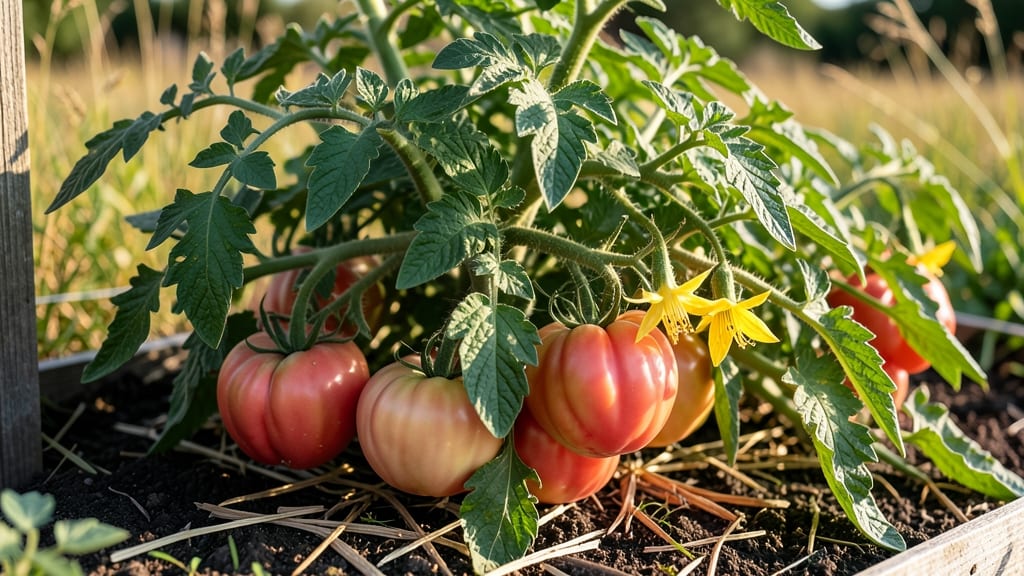
Your Brandywine tomato leaves can stay fresh for months without blanching or freezing—just with this simple preservation trick. ✨ The key is drying them properly, which locks in flavor and nutrients while keeping them vibrant for soups, sauces, or garnishes all winter long.
Start by harvesting leaves at their peak—bright green, free of blemishes, and just after morning dew evaporates. A dehydrator or low oven (175°F) works best, but even a sunny windowsill can work in a pinch.
The process takes about 4-6 hours, and the result is crisp, aromatic leaves that taste like summer in a jar.
📚 In This Guide
- What you need
- Instructions
- Tips and common mistakes
- Wrapping up and next steps
What you need
- ● Fresh Brandywine tomato leaves: 1–2 cups (harvest just before use for peak freshness).
- ● Paper towels: 2–3 sheets (unbleached, lint-free).
- ● Air-tight container: 1 (glass or BPA-free plastic, ~16 oz).
- ● Plastic wrap or beeswax wrap: 1 sheet (for sealing).
- ● Small bowl or colander: 1 (for rinsing, if needed).
- ● Sharp scissors or kitchen shears: 1 (to trim stems).
- ● Silica gel packets: 1–2 (for extra moisture absorption, if storing long-term).
- ● Vacuum sealer: 1 (to extend shelf life by 1–2 weeks).
- ● Spray bottle with water: 1 (to lightly mist leaves before storage).
- ● Labeling tape/marker: 1 (to date your container).
Step-by-step guide to preserving Brandywine tomato leaves for long-term use
Here's my foolproof method for keeping those giant, flavorful Brandywine leaves crisp and vibrant—no blanching, no freezer burn, just pure, ready-to-use goodness.
🌿 Step 1: Harvest and Clean Leaves at Peak Freshness
Pick leaves on a dry morning when they're fully mature but still firm—look for deep green color and no yellowing edges. Use clean, sharp scissors to snip stems cleanly at the base. Avoid bruised or torn leaves, as they'll degrade faster during preservation.
Rinse leaves gently under cool water to remove dirt, then pat dry immediately with paper towels. The faster you remove moisture, the longer your leaves will stay crisp. Spread them out on a clean kitchen towel to air-dry completely—this prevents mold during storage.
💧 Step 2: Apply Olive Oil for Natural Preservation
Lightly brush each leaf with a thin layer of extra-virgin olive oil using a clean pastry brush. This creates a protective barrier that locks in moisture and flavor while preventing oxidation. I use about 1 teaspoon of oil per 20 leaves—just enough to coat without soaking them.
Place the oiled leaves on a wire rack set over a baking sheet lined with parchment paper. This allows air circulation to prevent sogginess. Let them sit at room temperature for 1-2 hours until completely dry to the touch.
☀️ Step 3: Store in Airtight Containers with Absorbent Packaging
Layer the dried leaves between sheets of parchment paper in a single layer—don't stack them directly on top of each other. This prevents moisture buildup that causes leaves to become limp. Place the layered leaves inside airtight glass jars or vacuum-sealed bags.
Add a small silica gel packet to each container to absorb any residual moisture. Seal tightly and store in a cool, dark place like a pantry. When properly stored, these leaves will maintain their texture for up to 6 months—ready to use whenever you need that Brandywine flavor.
⏰ Step 4: Rehydrate and Use in Cooking
To use, simply remove a leaf from storage and let it sit at room temperature for 5-10 minutes to soften. It'll regain some pliability but won't be soggy. For best results, use in dishes where you'd normally add fresh leaves—think pasta, soups, or as a wrap for stuffing.
I like to add them to tomato-based sauces during the last 5 minutes of cooking to preserve their delicate flavor. They'll break down slightly but still contribute that signature Brandywine taste without overpowering your dish.
Tips & tricks for perfectly preserved Brandywine tomato leaves
These little-known tricks will help you keep your giant tomato leaves looking fresh and vibrant for months—no fancy equipment required.
Selection Tip: Focus on leaves that are deep green with no yellowing or brown spots. The largest, most mature leaves (about 12-18 inches long) preserve best because they have the most surface area for flavor. I've found that leaves with slight veins are ideal—they're sturdy enough to handle the preservation process without tearing. Confession: I skipped this step for years and wondered why my preserved leaves always looked dull.
The Drying Secret: That 1-2 hour drying time after oiling is crucial—don't rush it! The leaves need this time to develop a natural protective barrier. I like to place my wire rack over a baking sheet so any excess oil drips away. Pro tip: If your kitchen is humid, extend the drying time to 2-3 hours. You'll know they're ready when they feel completely dry to the touch and no longer feel greasy.
Storage Wisdom: When layering leaves between parchment paper, leave about 1/4-inch space between each layer. This prevents moisture buildup that causes limp leaves. For extra protection, I wrap each layer in a fresh sheet of parchment before placing in jars. The silica gel packet should be placed directly on top of the leaves—not on the sides—so it can absorb moisture from the entire batch.
Rehydration Hack: For quick use, place a stored leaf in a bowl and cover with a damp paper towel for 5 minutes. This speeds up the rehydration process while preventing sogginess. I've also found that gently warming the jar in the microwave for 10 seconds (covered) before rehydration helps stiff leaves regain flexibility faster—just be careful not to overheat them.
Pro Tips for Brandywine Tomato Leaves
- These little-known tricks will help you keep your giant tomato leaves looking fresh and vibrant for months—no fancy equipment required.
- Selection Tip: Focus on leaves that are deep green with no yellowing or brown spots.
- The Drying Secret: That 1-2 hour drying time after oiling is crucial—don't rush it!
Frequently asked questions
Got questions about preserving Brandywine tomato leaves? You’re not alone!
Here are some of the most common concerns—and their simple, effective solutions. Whether you're a first-timer or a seasoned gardener, these answers will help you keep those vibrant leaves fresh and flavorful for months.
Can I use Brandywine tomato leaves fresh after drying?
Once properly dried, Brandywine tomato leaves can be crumbled into pesto, steeped into tea, or even sprinkled over salads and soups for a herbaceous, slightly tangy kick. Just store them in an airtight container away from light to preserve their potency. Pro tip: Toast dried leaves lightly in a dry pan before adding to dishes to deepen their flavor!
How long do dried Brandywine tomato leaves stay fresh?
When stored correctly in a cool, dark place (like a glass jar with a tight seal), dried leaves retain their quality for 6–12 months. Check for freshness by smelling them—if they lose their aroma, it’s time to replenish your stash. Pro tip: Label your jars with the drying date to track freshness!
What if my tomato leaves turn brown or crispy during drying?
Brown or brittle leaves usually mean over-drying or excessive heat. Aim for a slow, gentle drying process (like using a dehydrator on low or air-drying in a dry, well-ventilated space). If they’re already ruined, save the stems for broth or compost—they’re still packed with flavor!
Are Brandywine tomato leaves safe to eat raw?
Yes, but in moderation! While raw leaves are edible, they contain solanine (a natural compound found in nightshades), which can cause mild stomach upset if consumed in large amounts. Lightly cooking or drying them reduces solanine levels. Start with small portions if you’re new to them.
What’s a good alternative if I don’t have Brandywine tomato leaves?
If you’re craving that earthy, slightly sweet tomato flavor, try these swaps:
- Oregano or basil (for a similar herbaceous note in pesto)
- Sun-dried tomato powder (for a concentrated burst of flavor)
- Spinach or kale (for a milder green base in teas or soups)
For the closest match, cherry tomato leaves or roma tomato leaves work well too!
Wrapping up and next steps
Brandywine tomato leaves aren’t just scraps—they’re a versatile, nutrient-packed treasure waiting to be preserved! Whether you’re saving them for pest-repellent mulch, flavorful teas, or homemade broths, this method keeps them fresh and ready for months without blanching or freezing.
With just a few simple steps and pantry staples, you’ve unlocked a zero-waste, budget-friendly solution that’s as rewarding as it is easy.
Ready to put your preserved leaves to work? Start small—try infusing them into a homemade salad dressing or composting them to nurture your next harvest. Your garden (and taste buds) will thank you! 🌱✨