
Pests and Diseases
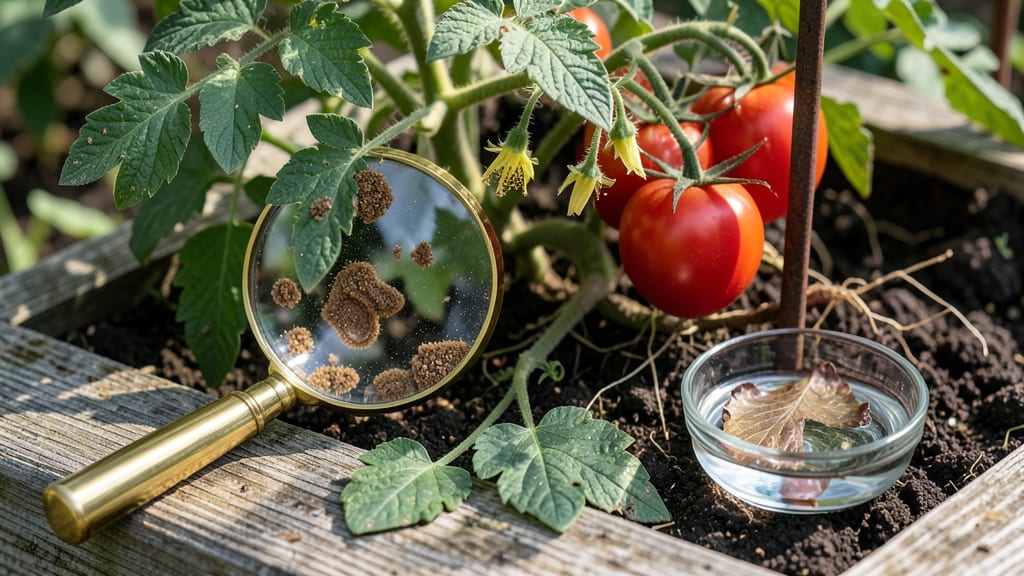
Brown specks on tomato leaves mean your plants are fighting a silent battle—often fungal blight that spreads faster than you think. 🌱 I’ve seen entire harvests ruined by early blight or septoria leaf spot, but there’s a way to turn things around in days, not weeks.
The key is acting fast before the spots merge into larger dead patches.
Most speckled leaves are a sign of fungal infection, though sunscald or spider mites can mimic the problem. Early blight shows as concentric rings on lower leaves, while septoria leaf spot appears as tiny dark spots with light centers.
Nutrient deficiencies or overwatering can also trigger stress spots, but those usually lack the classic fungal patterns.
You’ll stop the spread by removing infected leaves immediately, spacing plants for airflow, and applying a copper fungicide or baking soda spray at the first sign. Within a week, new growth stays clean, and your plants rebound with stronger stems and more fruit.
The worst part? You’ll never have to panic again when those first specks appear.
Works for both container and in-ground tomatoes, and the same principles apply to peppers and eggplants too. Let’s get those leaves healthy before the spots take over.
Root Causes of Leaf Spots
When you spot those unsightly brown specks on tomato leaves, it’s often a sign that something’s gone wrong in your garden’s ecosystem. But what’s really triggering this? Let’s break down the most common culprits—each with its own sneaky way of attacking your plants.
Fungi are the top offenders behind brown specks on tomato leaves, thriving in warm, damp conditions. Here’s how they strike:
- Alternaria Leaf Spot:
This fungus (Alternaria solani) produces dark, concentric-ringed spots with a yellow halo. It spreads via wind, water splashes, or contaminated tools. Why it happens: Overhead watering creates a moist leaf surface—fungi’s perfect breeding ground.
- Early Blight (Alternaria alternata):
Look for tan or brown spots with darker edges, often starting at the older leaves. The fungus overwinters in soil and infected debris, then launches when temperatures hit 60–85°F (15–29°C) and humidity rises.
- Septoria Leaf Spot:
Smaller, circular spots with tiny black specks (pycnidia) in the center appear when leaves stay wet for long periods. This fungus loves crowded plants with poor airflow.
💡 Pro Tip: Fungi spread faster in humidity >75% or after rain. Space plants for airflow and water at the base, not the leaves!
Not all specks are fungal—some are physical wounds from pests. Here’s how they leave their mark:
- Spider Mites:
These microscopic pests suck plant sap, causing stippled, bronzed specks (especially on the undersides of leaves). Why it happens: Dry, dusty conditions weaken tomatoes, making them vulnerable.
- Flea Beetles:
Tiny jumping beetles chew tiny holes in leaves, creating a shotgun-like pattern. They thrive in hot, dry weather and target young seedlings.
- Aphids or Whiteflies:
While they don’t cause specks directly, their honeydew secretions attract sooty mold—a black fungal film that looks like specks. Why it happens: Over-fertilizing with nitrogen attracts these sap-suckers.
🔥 Quick Fix: Blast pests off with a forceful water spray or introduce beneficial insects like ladybugs!
Sometimes, the “specks” aren’t pathogens but physical damage from harsh growing conditions:
- Sun Scorch:
Brown, crispy patches on leaf edges (especially in afternoon sun) signal heat stress. Why it happens: Tomatoes need partial shade in peak heat (above 90°F/32°C).
- Chemical Burn:
Overuse of fertilizers (especially salt-based) or herbicides can leave bleached or brown specks. Why it happens: High salt concentrations disrupt cell function.
- Hail or Wind Damage:
Bruised or torn leaves develop brown spots as they repair tissue. Why it happens: Physical trauma triggers oxidative stress in cells.
🌡️ Prevention Tip: Use mulch to regulate soil temp and shade cloth in extreme heat!
Now that you know the real culprits, you can tackle the problem head-on. Next up: How to Diagnose and Treat—because every speck has a solution!
Fixing Fungal Issues Fast
Brown specks on your tomato leaves don’t have to mean the end of your harvest—with the right approach, you can turn things around and keep your plants thriving.
Below, we’ve mapped out practical solutions tailored to the most common causes of those pesky spots. Follow these steps to restore your plants’ health and prevent future outbreaks.
Before jumping into treatments, confirm what’s ailing your tomatoes. Early blight, late blight, septoria leaf spot, or even environmental stress can mimic brown specks. If you’re unsure, check the previous section for clues or snap a photo and compare it to online guides. 🍳 Prune and Remove Infected LeavesStart by cutting off any leaves with brown spots (at least 6 inches below the spot) using clean, sterilized scissors or pruners. Dispose of them in the trash—not the compost—to prevent reinfection.
👨🍳 Apply Fungicide (Organic or Chemical)For early blight or septoria, copper fungicide (like copper sulfate) or neem oil are effective organic options. Spray the undersides of leaves (where spores often hide) every 7–10 days until new growth appears. If the infection is severe, a chlorothalonil-based fungicide (like Daconil) can provide faster results.
🥘 Improve Airflow and SpacingThin out crowded plants to reduce humidity around leaves. Stake tomatoes or use cages to keep foliage upright and dry. Avoid overhead watering—water at the base of the plant in the morning to let leaves dry quickly.
⏰ Prevent RecurrenceRotate crops next season—don’t plant tomatoes or nightshades (peppers, eggplants) in the same spot for 3 years. Solarize soil in late summer by covering it with clear plastic for a week to kill fungal spores.
🔪 Remove and Destroy All Infected PlantsLate blight spreads rapidly and can wipe out a garden in days. Pull up and destroy affected plants immediately—don’t compost them. Check neighboring plants daily for new spots.
🎯 Use a Strong Fungicide ImmediatelyLate blight requires fast, aggressive treatment. Spray with chlorothalonil or mancozeb every 5–7 days and follow up with baking soda spray (1 tbsp baking soda + 1 tsp oil + 1 gallon water) for organic control. Reapply after rain.
💡 Pro Tip: If late blight hits, notify your local agricultural extension office—they may issue regional alerts to contain the outbreak. 🌞 Adjust Watering and MulchingIf specks appear after hot days, your tomatoes may be water-stressed. Water deeply 1–2 times per week (early morning is best) and add 2–3 inches of mulch (straw or wood chips) to retain moisture and cool roots.
🌡️ Provide Temporary ShadeUse shade cloth (30–50%) during peak afternoon sun (12–4 PM) if your area experiences extreme heat. Secure it loosely to allow airflow.
✨ Long-Term FixesChoose heat-tolerant tomato varieties like ‘Solar Fire’ or ‘Heatmaster’ for future seasons. Avoid planting tomatoes in full sun without afternoon shade in scorching climates.
An ounce of prevention saves pounds of heartache. Here’s how to keep brown specks away:
- ✅ Start with healthy seeds/transplants: Buy from reputable nurseries or grow from disease-resistant seeds.
- ✅ Space plants properly: Give tomatoes 18–24 inches of space for airflow.
- ✅ Rotate crops: Avoid planting tomatoes, peppers, or potatoes in the same spot yearly.
- ✅ Use row covers early: Lightweight fabric can block fungal spores until flowers appear.
- ✅ Monitor regularly: Check leaves weekly and act at the first sign of spots.
With these targeted fixes, your tomato plants should bounce back in 2–4 weeks. Stay vigilant, and soon you’ll be enjoying spot-free, juicy tomatoes all season long! 🍅🌿
Frequently asked questions
How do I tell if brown specks are from fungus vs. pests?
Fungal spots like early blight show as concentric rings with yellow halos, while septoria leaf spot has tiny black specks in centers. Pests like spider mites create stippled, bronzed specks (especially on leaf undersides), and flea beetles make tiny holes. Check for webbing or tiny moving dots to confirm pests.
Can I still harvest tomatoes if leaves have brown specks?
Yes, but remove infected leaves first. The fruit itself rarely gets infected, though severely diseased plants may produce lower-quality tomatoes. Focus on treating the leaves to protect future harvests.
What's the fastest way to stop brown specks from spreading?
Remove all infected leaves immediately, then spray with copper fungicide or a baking soda solution (1 tbsp baking soda + 1 gallon water + 1 tsp oil). Space plants wider for airflow and water at the base only. Repeat every 7 days until new growth appears.
Will my tomato plants recover if I see brown specks now?
Early treatment gives plants a 70-80% chance of recovery. Remove infected leaves, improve airflow, and apply fungicide. If caught early, new growth will emerge spot-free within 2-3 weeks. Severe cases may need stronger fungicides like chlorothalonil.
How can I prevent brown specks next growing season?
Start with disease-resistant varieties, space plants 18-24 inches apart, and rotate crops every 3 years. Use mulch to prevent soil splash, and water only in the morning. Apply preventive copper spray every 2 weeks during humid periods.